What are the cultivation methods and uses of Joseph's coat?
Joseph's coat has a short stature and brightly colored leaves, making it an excellent material for carpet flower beds; when cultivating it, pay attention to matching the colors of different varieties. So how do you grow Joseph's coat? What uses does it have? Let's find out together below.
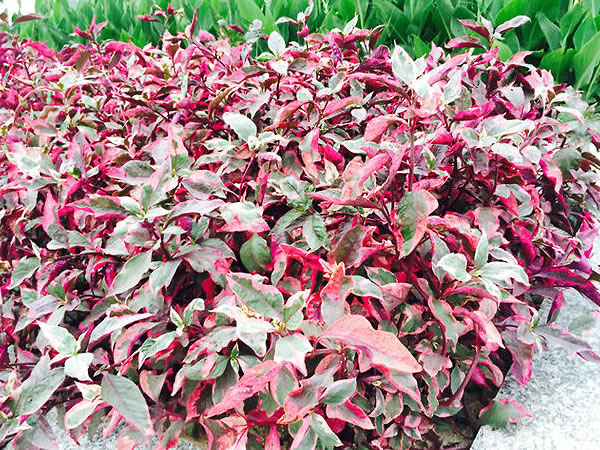
I. Cultivation methods of Joseph's coat
1. Soil: When growing Joseph's coat in pots, the potting soil should preferably be sandy loam rich in humus, loose and fertile, and dry; clay loam should be avoided. When potting Joseph's coat, generally plant 3-8 plants per pot.
2. Environment: Joseph's coat likes a warm and humid environment, is not tolerant of heat, not tolerant of drought, and extremely intolerant of cold. In winter, the cultivation temperature should be around 15°C; if the temperature is too low, Joseph's coat is prone to freezing and dying. Growing Joseph's coat is generally simple: just water it appropriately during its growing season to keep the potting soil moist. Also note that during dry weather, Joseph's coat should be watered in time.
3. Fertilizing: Growing Joseph's coat generally does not require fertilizing, but to promote its growth, you can also apply a topdressing of 0.2% ammonium phosphate or spray 2% nitrogen fertilizer on Joseph's coat once a month, so that the plants grow well and their ornamental effect is improved.
4. Pruning: Joseph's coat has luxuriant branches and leaves and tolerates pruning. It is usually made into various patterns, characters, and other flat or three-dimensional images; at this time, when growing Joseph's coat, it is required to be planted with soil, and it can take shape within a few days. During the growing period of Joseph's coat, it must be pruned frequently to inhibit its growth so as not to disrupt the designed pattern.
5. Propagation: Joseph's coat is generally propagated by cuttings. The soil chosen for cuttings can be sand, perlite, or soil. The suitable temperature for the cutting bed is 22-25°C. After cutting, Joseph's coat can take root in 1 week and can be transplanted in 2 weeks.
II. Uses of Joseph's coat
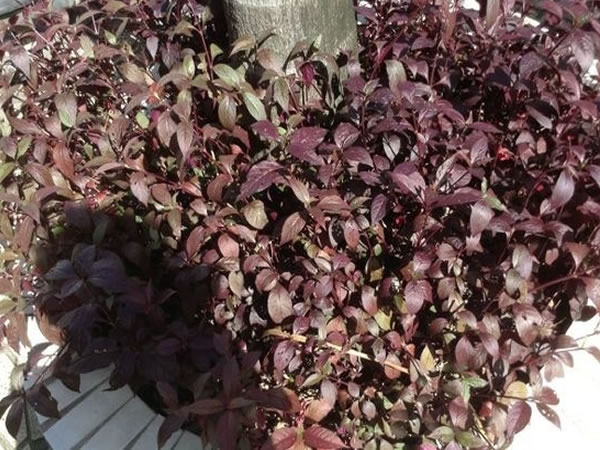
Joseph's coat can be used for flower beds, ground cover, potted plants, etc., and is a good material for pattern flower beds. Joseph's coat plants are low-growing and tolerate pruning. The leaves come in types such as red, yellow, green, or purple-brown. By making use of its tolerance for pruning and its different colors, it is often used for garden pattern arrangements, or for words such as "Welcome." It can also be used during festivals by combining potted plants of different colors into themed patterns to add to the festive atmosphere.
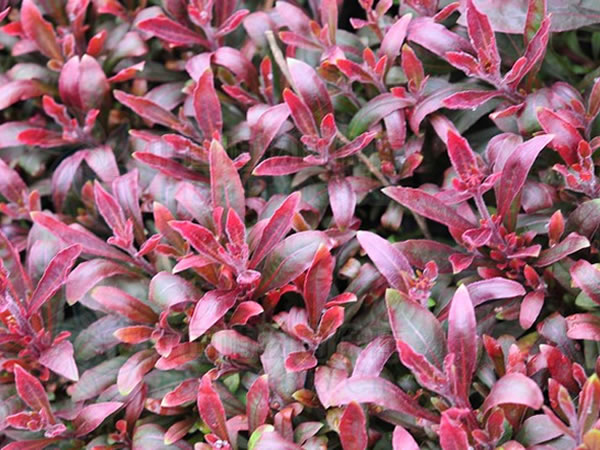
The above is an introduction to the cultivation methods and uses of Joseph's coat. We hope it is helpful for everyone growing Joseph's coat. Potted Joseph's coat is suitable for decorative display on balconies and windowsills.
Recommended reading:
① Cultivation methods and precautions for red spider lily
② How to grow autumn zephyrlily: cultivation methods for autumn zephyrlily
③ How to plant French marigold: sharing the planting methods for French marigold
④ Hydroponic methods and precautions for hyacinth
⑤ How to grow Swiss cheese plant_ Cultivation methods and precautions for Swiss cheese plant_ Swiss cheese plant pictures