What to do when the roots of a ZZ plant (Zamioculcas zamiifolia) go soft? 4 timely remedies to teach you
The ZZ plant is loved for its auspicious name and its reputation for bringing wealth, and it is also one of the most common plants in the home. But some people who grow ZZ plants find that the roots have gone soft, as if they are about to rot. So what should you do when ZZ plant roots go soft?
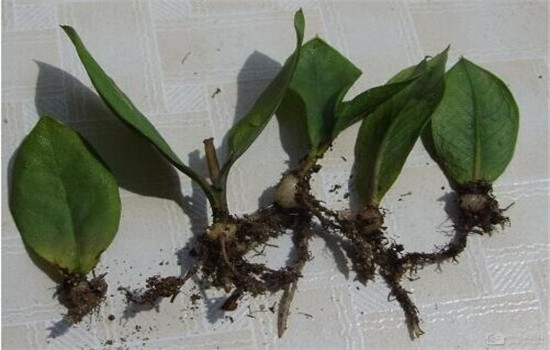
1. ZZ plant root rot may be caused by the potting soil being too dry. The ZZ plant is fine with potting soil that is slightly moist; by nature it does not like water, but if the potting soil drains poorly and the water quality turns stale, it will cause root rot.
2. ZZ plant root rot may be caused by using a relatively strong fertilizer before the roots have grown well. Strong fertilizer will burn the root and stem base of the plant (the part close to the pot); the potting soil may be unhygienic, and when watering or raining, pathogens may splash onto the ZZ plant.
3. ZZ plant root rot is root rot disease, caused by too much watering, which leads to a lack of air around the roots; in the humid environment a large amount of fungi breeds, and finally root rot forms. Carbendazim or thiophanate-methyl can both be used. Penicillin cannot be used. It is best to first dig the plant out and cut off the rotten roots. Soak it in a carbendazim solution for about 10 minutes, then replace the soil and replant.
4. Generally, the cause of root rot in the ZZ plant is root rot caused by watering. The plant needs to be taken out of the pot in time, part of the old soil shaken off, placed in a semi-shady, cool spot to air dry for 1-2 days, and then replanted with new sandy loam soil. Afterward, the pot used should not be too large, and watering should not be too frequent; water when the potting soil is 70% dry, and never follow a rigid watering interval; water flexibly. If the root rot is relatively severe, it is best to shake off all the soil, then soak it in a 500-fold dilution of potassium permanganate or carbendazim solution for 5-10 minutes, then rinse it once with clean water, air dry the roots again, and replant.
What should you do when ZZ plant roots go soft? People who encounter a similar situation can use the corresponding methods to solve it. Normally, soft roots in ZZ plants mostly occur in hydroponic growing methods; ZZ plants grown in soil are not prone to similar problems, so it is recommended to grow ZZ plants mostly by soil culture.