Introduction to the Stem Cutting Propagation Method for Alocasia (Dripping Guanyin)
Alocasia is a common houseplant, and because water drips from the leaf tips when the plant is full of moisture, it has the elegant name "Dripping Guanyin." So what propagation methods does Alocasia have? And how is stem cutting done for Alocasia? Below is a detailed introduction to help you, and I hope it can offer some assistance.
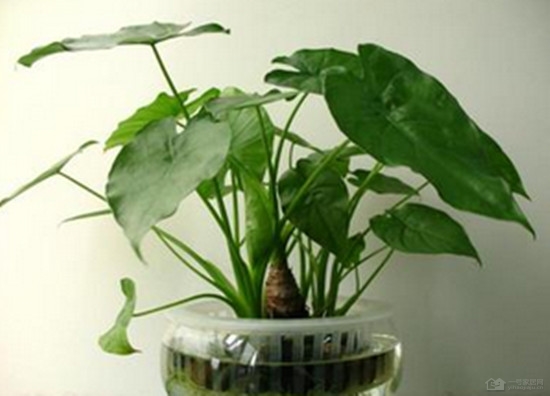
Propagation: seeding, cuttings, division
(1) Seeding: Wild plants often bear seeds. Sow in spring. The suitable germination temperature is 25 to 28 degrees, and germination occurs 20 to 25 days after sowing.
(2) Stem cutting: Carry out in April. Cut thick, sturdy stems into stem segments about 10 cm long with several buds to serve as cuttings. After drying slightly, insert them obliquely or lay them flat on the seedbed; when laying flat, the depth should be just enough to bury the stem segments. The cuttings can also be inserted directly into pots. After insertion, keep the medium moist and the ambient temperature at 25 to 30 degrees. After 4 to 5 weeks, they will take root and survive.
(3) Division: Potted plants easily produce many small offshoots at the base. In April, division can be done together with repotting, separating the small offshoots from the mother plant and planting them separately. Division is best done when the temperature reaches 20 degrees or higher. While keeping the medium moist, new shoots will emerge in about 20 days.
Alocasia is easy to keep alive, and it has three propagation methods, with stem cutting being one of them. When propagating Alocasia, everyone can choose whichever method they like. Also, a gentle reminder: the sap of Alocasia is toxic. If there are young children at home, please carefully consider whether to keep it!