How to grow asparagus fern? Detailed guide to cultivation methods and precautions
The asparagus fern is lush and green, with a delicate and elegant posture and tenacious vitality, making it one of the favorite household potted flowers of many homeowners and plant lovers. So what are the methods for growing asparagus fern at home? What precautions are there for growing asparagus fern? To answer everyone's questions, the editor has gathered the key points of asparagus fern cultivation knowledge here and specially presents them to you.
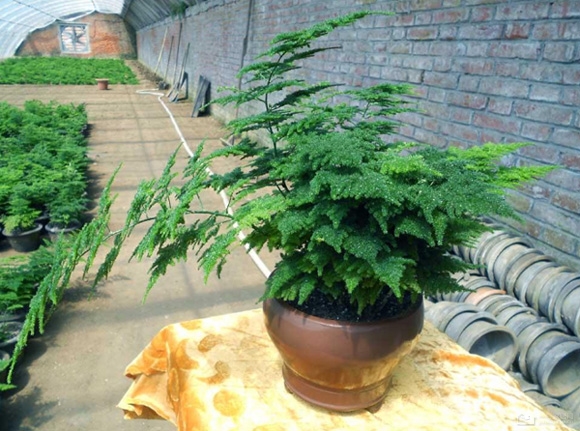
Cultivation methods and precautions
To grow asparagus fern, understanding its growth habits is key. The asparagus fern is native to southern Africa and prefers a warm, humid, semi-shaded environment, and likes fertile, loose, well-drained sandy loam soil. It is not cold-tolerant and not drought-tolerant, so mastering the appropriate pot soil moisture is a major key to asparagus fern care.
Pot soil: For the pot soil used to cultivate asparagus fern, fertile sandy loam is suitable, requiring warmth and moisture, rich in humus, and good drainage. Generally, a ratio of 4 parts garden soil, 2 parts leaf mold, 2 parts compost soil and 1 part sand can be used, and regular soil replacement and fertilizing should be done. If excessive fertilizing causes "root burn," the pot needs to be turned out to remove the fertilizer, and the soil ball should be rinsed with clean water, then replaced with new soil for growing.
Watering: Watering is the key point in asparagus fern cultivation. Too much watering and overly wet pot soil can easily cause root rot, while too little watering can cause leaf tips to dry and turn yellow. Therefore, during watering, it should be determined according to the weather, growth condition and the dryness or wetness of the pot soil, following the principle of not watering when dry, and watering thoroughly when watering. In hot and dry weather, the leaves can be sprayed with water to increase humidity and lower temperature, while in winter less watering is needed.
Fertilizing: Asparagus fern does not like heavy fertilizer, but it cannot lack fertilizer either. Affected by the pot soil of potted plants, asparagus fern cultivation must supplement nutrients in time to meet growth requirements. During fertilizing, apply small amounts more frequently, and do not apply concentrated fertilizer, otherwise it will cause yellow leaves. Generally, applying a thin liquid fertilizer once a month after full decomposition is enough; after the plant grows and takes shape, fertilizing can be appropriately controlled and reduced.
Light: Asparagus fern cannot be exposed to the scorching sun when grown. In hot seasons, it should be placed in a cool and ventilated place. At the same time, during the flowering period, asparagus fern is afraid of both wind and rain, so attention should be paid to good ventilation, and in good weather it can be appropriately placed outdoors to receive sunlight. In winter, the temperature for potted asparagus fern should be kept above 5°C to avoid freezing.
Placement: Asparagus fern is mostly used for indoor desk display. Because asparagus fern is very afraid of smoke and dust, and if it encounters toxic gases, its branches and leaves are prone to turning yellow, it should be placed in a clean and well-ventilated environment.
Love begins with understanding, and the same is true for loving asparagus fern. People who love asparagus fern will surely want to understand its living habits and cultivation precautions. So, after seeing the editor's introduction above, have you gained a certain understanding of asparagus fern?