What to do when Clivia replanting breaks roots? Replanting precautions
What annoys many flower lovers is that Clivia roots break easily during replanting, or they simply do not know how to replant it. So, is it scary if Clivia roots are broken during replanting? Based on these questions, the editor has put together a summary of precautions for replanting Clivia, hoping to help everyone solve their problems.
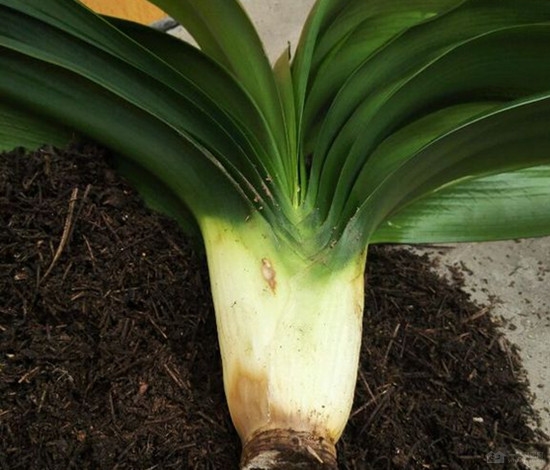
1. Replanting time: Generally speaking, Clivia should be repotted once a year, as this is more helpful for its growth, but that does not mean it can be repotted at any time. It is best to choose spring or autumn for replanting, because the temperature is suitable then, Clivia grows vigorously, and its growth will not be affected by replanting.
Flower lovers can, according to the actual conditions of their region, repot and change the soil in March to April, or in August to September. The weather at this time is warm and cool (note the difference between northern and southern regions; southern regions should delay appropriately), and the temperature is moderate. This is the second vigorous growth period of Clivia. According to the plant's growth condition, growers can carry out autumn repotting in mid-August.
2. Try to avoid replanting during the flowering period: It should be noted that after Clivia shoots its flower stalk, or while it is budding and flowering, it is best not to replant, because at this stage the plant needs relatively more nutrients, and replanting will affect the continuous supply of nutrients. However, if replanting is necessary due to root rot or yellow leaves caused by poor soil, care should also be taken not to break up the root ball, and to minimize the damage to the root system caused by replanting.
3. Avoid damaging roots: When taking Clivia out with its soil ball, be careful not to let the soil ball break apart, so as to avoid damaging the root system. Gently remove the soil, and at the same time remove the aged and rotten fleshy roots (but do not cut off fleshy roots that are not rotten, no matter how long they grow, because these fleshy roots and their tips have many root hairs. Besides absorbing water and nutrients, these root hairs can also secrete various acids, dissolve nutrients in the soil that are not easily soluble, and expand absorption. If they are cut off, although the plant will not die, it will definitely affect its growth). 4. Adjusting after replanting: After replanting Clivia, place it in a shaded place for about 10 days to slow water evaporation and let it gradually recover. After 10 days, light can be gradually increased.
5. The pot is not the bigger the better: Prepare a suitable special pot according to the size of the Clivia (especially the number of roots), and avoid using a large pot to grow a small Clivia.
There is a lot to learn about replanting Clivia. If you accidentally break the roots, cut off the rotten part, and then care for it for some days according to Clivia's usual habits, and basically new roots can grow.