Hydroponic Alocasia (Drip Guanyin) Growing Methods and Precautions
If your home is terribly dry and lacks moisture, then grow hydroponic Alocasia (Drip Guanyin)! It can absorb dust for your home and bring in fresh air! If you want to grow Alocasia with ease, just learn the hydroponic growing methods and precautions for Alocasia.
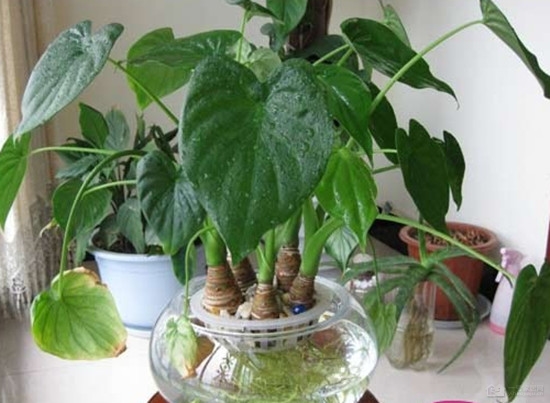
Alocasia Growing Methods:
1. Cleaning the roots. If you choose to grow Alocasia in water, be sure to wash the roots clean;
2. Water quality requirements. The stem and root tissues of Alocasia are relatively loose and have high water quality requirements. Be careful to keep the water clear and hygienic, otherwise the stem and roots are prone to rot.
3. Indoor temperature. Note that Alocasia is a shade-loving plant. It can only grow well at temperatures no lower than 18°C; if the temperature drops below 18°C, Alocasia will stop growing.
4. Change the water frequently. In summer, increase the frequency of water changes, and keep air humidity no lower than 60%. Mist it often to create a relatively cool and humid environment. In winter, to keep its leaves dark green, generally spray with warm water once a week.
5. Adding nutrient solution. Plants are actually just like people, they need nutrients to grow well, so add nutrient solution to the plant at regular intervals;
6. Prevent direct sunlight. Alocasia is a shade-loving plant, so do not place it in direct sunlight, as that will make Alocasia wilt.
Precautions for Growing Alocasia:
Because the white sap in its stem is toxic, and so is the water it drips, accidentally touching or ingesting its sap will cause discomfort. If the stem and leaves are eaten by mistake, it will cause symptoms such as nausea and pain, and in severe cases lead to suffocation, cardiac paralysis and death. Therefore, try not to touch Alocasia, and if there are children at home, it is best not to keep one.
Alocasia has high ornamental value and is easy to care for, but the sap in its stem is toxic. If there are young children at home, you should carefully consider whether to grow it! However, it is also fine to place it in a relatively high position, which can prevent children from touching it.