What Fertilizer Is Best for Asparagus Fern? Fertilizing Methods for Asparagus Fern
Asparagus fern (Asparagus setaceus), with its emerald green foliage and elegant form, is a common small potted plant in the home. Asparagus fern can both purify the air and add a scholarly, refined atmosphere, so it is widely loved by everyone. So what fertilizer is best for growing asparagus fern? And what are the fertilizing methods for asparagus fern?
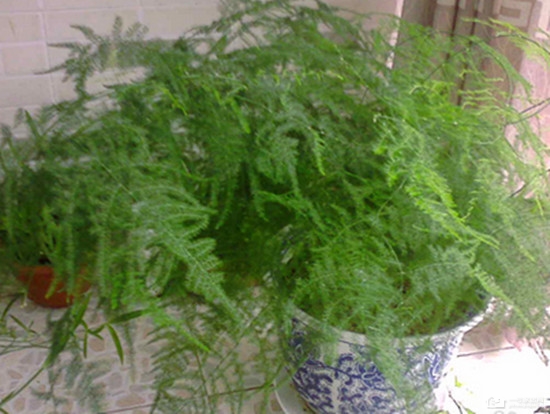
Fertilizing asparagus fern: It is best to use organic fertilizers such as cake fertilizer and sesame paste residue that have been fermented and composted into a liquid fertilizer, generally diluted 10-20 times for watering. Except for hydroponic asparagus fern, granular chemical fertilizers based mainly on nitrogen, phosphorus and potassium can also be applied, generally by hole application, or diluted for watering.
Asparagus fern grows from April to June. During this period, apply light fertilizer frequently, and avoid concentrated fertilizer or unrotted fertilizer. Generally, apply a thin liquid fertilizer of fully rotted soybean cake, chicken manure or human urine and dung once every 10d, with a fertilizer-to-water ratio of about 1:15. Before fertilizing, the soil should be slightly dry, which helps the roots absorb the liquid fertilizer. Be careful not to let the liquid fertilizer stain the branches and leaves.
In the hot summer and cold winter, apply less or no fertilizer. During the growth period, also pay attention to water supply. Asparagus fern is not drought-tolerant; especially when new branches are sprouting, once water is lacking, the new tips will wilt and die. But it also dislikes waterlogging, and long-term excessive moisture should be avoided. Therefore, the principle of moderate dryness and wetness must be maintained, with soil that is moist and slightly on the dry side being best.
Fertilizing methods for asparagus fern: once a week in spring and autumn, once every half month in winter, and no fertilizing in summer to prevent root rot. Use horse hoof water or compound chemical fertilizer. Asparagus fern dislikes concentrated fertilizer; light fertilizer applied frequently is best.
Finally, a warm reminder: asparagus fern loves a warm and humid living environment. In winter, it is best kept at a temperature of around 15°C, and in summer it should not be exposed to strong sunlight, to avoid dry and withered leaves.