The correct way to transplant and divide Alocasia macrorrhizos
Alocasia macrorrhizos has high ornamental value and is a common indoor houseplant, much loved by everyone. In order to grow more Alocasia macrorrhizos, people use division and transplanting. Below, the editor will introduce the division method and the transplanting method for Alocasia macrorrhizos.
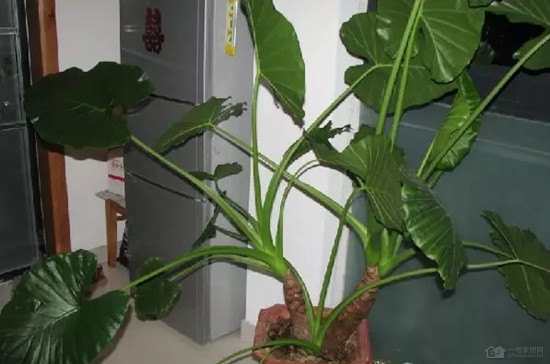
How to divide Alocasia macrorrhizos:
In summer and autumn, the tubers of Alocasia macrorrhizos sprout small leaf-bearing Alocasia. Division can be done in conjunction with repotting and changing the soil. Division can be carried out in April together with repotting, separating the small plants from the mother plant and planting them separately. Division is best done when the temperature reaches 20C or higher; keeping the substrate moist, new shoots will emerge in about 20 days.
When dividing, pay attention to the sap at the tuber wound. It is toxic, so do not let it directly touch skin wounds, the eyes, the lips or other sensitive areas. After division, the plant needs to dry, a few hours is enough; once the wound surface has no water, it can be potted and planted.
How to transplant Alocasia macrorrhizos:
Alocasia macrorrhizos very easily produces small shoots from the roots; once they have 3 leaves, they can be dug out from the roots and planted separately. Before transplanting Alocasia macrorrhizos, watering should first be controlled to let the soil dry out slightly, then dig it up according to the size of the pot to be used, or slightly smaller than the pot, and finally fill in an appropriate amount of sandy soil. After digging up and planting, first place it in diffused light, cut off the lower leaves, water the pot soil thoroughly once, then spray the leaves with water several times a day to maintain high air humidity, which can keep the leaves from wilting. Afterwards, never water as long as the surface of the pot soil is not dry; in this way, normal care can be resumed in about one month. During this period, if the lower leaves turn yellow, simply cut them off, and do not fertilise at the roots for one month. Alocasia macrorrhizos has very strong vitality; when transplanting, just be careful to choose a good soil quality.
The above introduction is the method for dividing and transplanting Alocasia macrorrhizos. It is hoped that this theory can guide everyone to divide successfully, then grow more Alocasia macrorrhizos, to purify the air and decorate the home.