What are the common problems when growing Alocasia macrorrhizos (giant taro) at home?
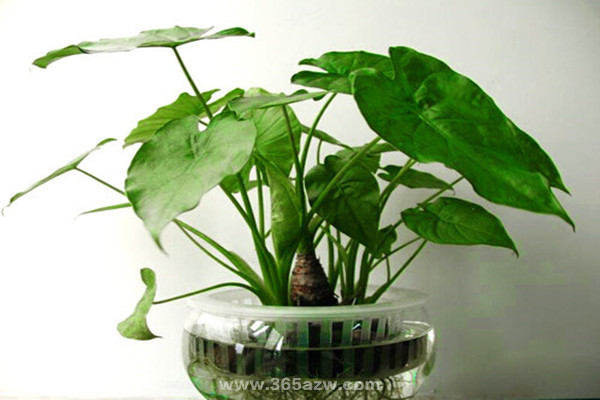
1. What should I do if I get poisoned by touching the sap of Alocasia macrorrhizos?
It is recommended to use vinegar as an antidote. Rinse with plenty of clean water. The toxic components are calcium oxalate and saponin glycosides; the skin itches after contact with the sap; contact with the eyes causes blindness. Folk remedy: boil a little vinegar together with ginger juice, and take it orally or use it as a gargle to counteract the poison. If the poisoning symptoms are obvious, it is recommended to go to the hospital for medical treatment.
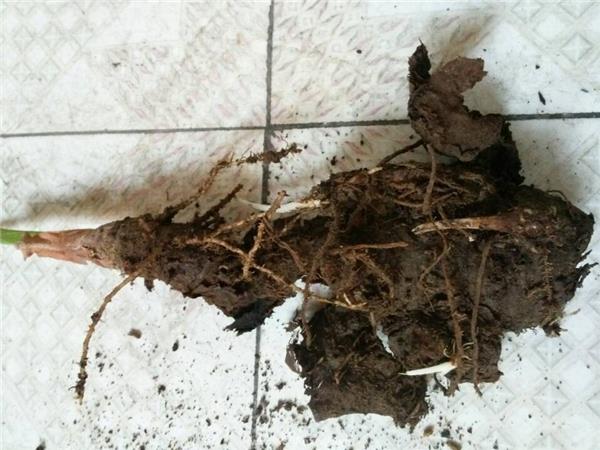
2. What should I do if Alocasia macrorrhizos has root rot?
Alocasia macrorrhizos is prone to root rot in summer, mainly caused by soil that is too wet. Pull the plant up, cut off the rotten roots; when cutting the roots, wear rubber gloves (Alocasia macrorrhizos is toxic! Those with skin allergies must be careful.). Cut off a little of the healthy tissue near the rotted part. Let it dry, and replant after the wound has healed, planting it in plain sand or sandy soil. Do not water for the time being; wait until the potting soil is completely dry before watering. Do the same from then on: if it is not dry, do not water. In addition, place it in a ventilated spot.
3. Why does Alocasia macrorrhizos drip water in the morning?
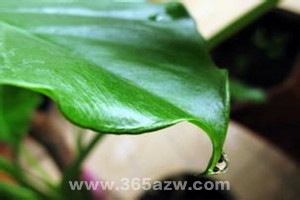
Alocasia macrorrhizos, under warm and humid conditions with sufficient soil moisture, will drip water downward from the leaf tips or leaf edges; if the air humidity is too low, the water that comes out will immediately evaporate. Because the temperature is lower at night, there is no sunlight, and the air humidity is high, the water exudation phenomenon is obvious in the morning. Therefore, water droplets generally appear more often in the morning as water exudation.

4. What is the problem if Alocasia macrorrhizos falls over?
Since watering is usually done only at the roots, the water cannot reach the leaf parts, so it falls over. It is recommended to put clean water in a spray bottle and spray it on the leaves. After a few days, there will be an effect.
5. What should I do if Alocasia macrorrhizos grows too tall?
By spraying the whole plant with a 2% paclobutrazol solution, in the later growth process of Alocasia macrorrhizos you will find that its growth height will not exceed 40cm. If Alocasia macrorrhizos continues to grow, the whole plant can be sprayed again. Generally, spraying once about every half a year can achieve the effect of controlling height.