What are the precautions for growing daisies? Key care points explained
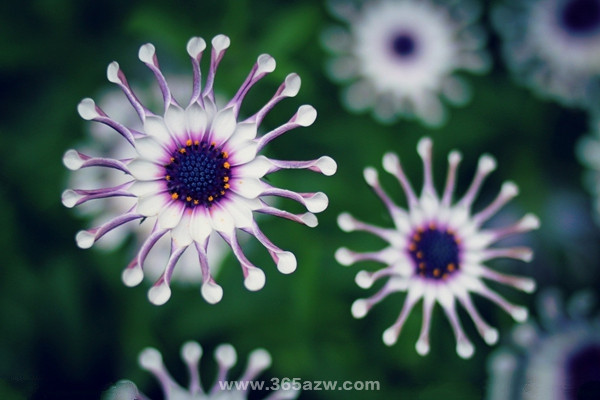
Precautions during the daisy sowing stage
Special attention must be paid to light control, and great care is needed even in summer.
When sowing daisies, no soil covering is needed, but the light must not be too strong either; appropriate shading is required, and a thin layer of vermiculite can be used as cover; the germination temperature must be maintained at 18°C; the substrate moisture should be kept between 80% and 90%, while the relative air humidity should be 100%; the pH value should be between 5.5 and 6.2, and no fertiliser is needed during this period.
In July and August, the greenhouse environment is often in a state of high temperature and high humidity, so shading nets, fans, wet pads and other facilities are needed for ventilation and cooling.
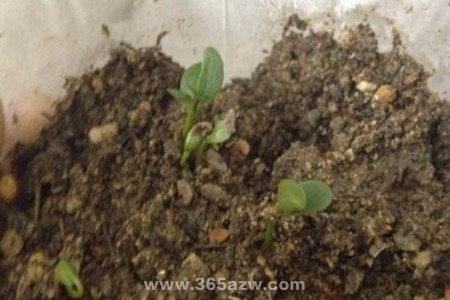
Sowing daisies
The stage when plants grow true leaves
Air humidity should be reduced to prevent the substrate from becoming overly wet, and the substrate should be allowed to dry out between waterings. When the seedlings have 2 to 3 pairs of true leaves and the root system has finished developing, hardening off can begin.
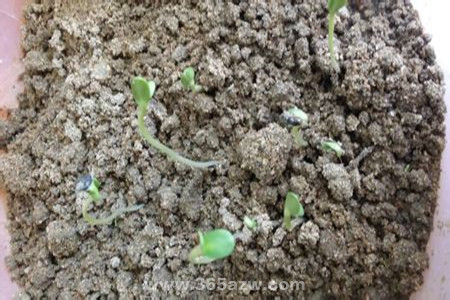
Daisy germination
Precautions during the hardening-off stage
Water control is especially important, otherwise seedlings are very prone to becoming leggy. To avoid leggy growth, first ensure sufficient light: as long as it does not exceed 50,000 lux, the stronger the better, and it must not be lower than 10,000 lux. At the same time, ventilation should be strengthened, temperature and humidity controlled, and growth regulators used to inhibit leggy growth.
Precautions for transplanting and potting up
For containers, 12 cm diameter nutrient pots or flower pots are mostly used; the substrate should be loose, with good drainage and aeration, contain iron chelate and trace nutrient elements, have a clay content between 15% and 30%, a pH value of 5.5 to 6.2, and an EC value of 0.5 to 0.75. After daisies are potted up, light should be even more abundant, ensuring at least 50,000 to 100,000 lux in winter. During the production of finished flowers, topdressing once a week is sufficient.
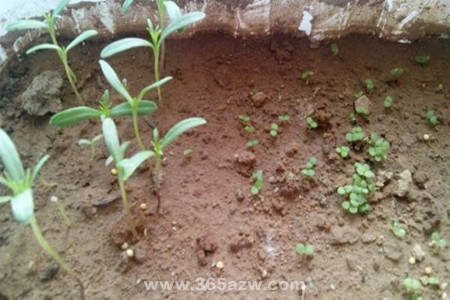
Daisy seedling and sprout growth
Pay attention to pest and disease control
Daisies are susceptible to infection by pathogens, so dense planting should be avoided when planting, and the environment should be kept ventilated and airy. If pests such as aphids appear, infected plants or diseased leaves should be removed promptly.