How to care for succulents in autumn? Keep this care guide handy
Autumn is the most beautiful season for succulents. If you want your succulents to show their most perfect side, they need careful care. Take a look at these little autumn succulent care tips!
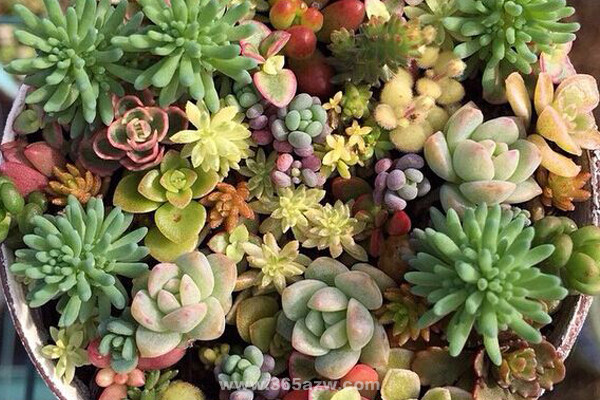
Control watering, increase air humidity
As autumn arrives, temperatures drop slightly, and with the greater temperature difference between day and night, succulents gradually resume growth and can be watered more. Because succulents have the trait of growing at night, you can water appropriately according to temperature changes. Watering in the early autumn evening and in the late autumn afternoon is good for plant growth. Water less on cloudy days, and stop watering on rainy days.
When succulents are kept indoors in autumn, appropriately increasing air humidity is very beneficial for succulents native to high-altitude areas. During the autumn growing period, relative humidity should be kept between 45% and 50%, and a few varieties can reach 70%.
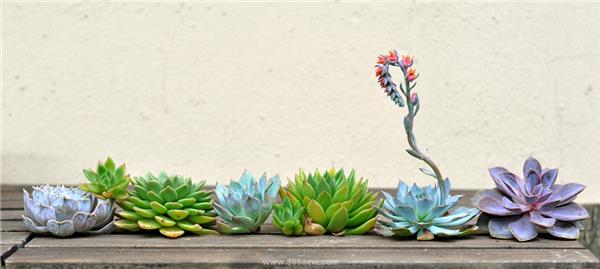
Prune reasonably, optimize plant shape
Dwarf succulents
Most succulents are short plants with fleshy stems and leaves, and their growth rate speeds up relatively in autumn. For white snow queen (Tradescantia sillamontana), string of hearts (Ceropegia woodii), and others whose stems and leaves grow too fast, pinching promotes branching, forms flower buds, produces more flowers, and makes the plant shape more compact and dwarf. For desert rose (Adenium obesum), frangipani (Plumeria), and others, thinning branches keeps the plant shape neat in appearance. For Euphorbia tirucalli, African baobab (Adansonia digitata), crown of thorns (Euphorbia milii), and others that grow too tall, hard pruning controls height. For hen and chicks (Sempervivum) and Sedum such as Sedum pachyphyllum with too many offsets, cutting away the excess offsets makes the plant shape more attractive.
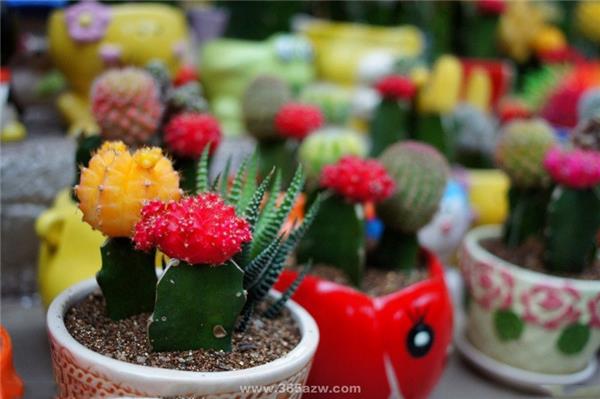
Cactus-type succulents
Cactus-type plants continue to grow after flowering in autumn. Timely, reasonable pruning can not only lower the plant shape, promote branching, make the plant grow more robust and the shape more attractive, but also encourage it to produce offsets for cutting or grafting propagation.
If you do not keep seeds after a cactus flowers, promptly cut off the spent flowers to avoid consuming extra nutrients for seed production, which is bad for the formation of new flower buds. But for Schlumbergera, Peanut cactus (Echinopsis chamaecereus), and cacti that easily grow offsets, thinning the flattened stems and removing overly dense offsets can make the plant shape attractive. For Christmas cactus (Schlumbergera) and cacti that bloom in early winter, remove buds promptly. For columnar cacti such as white-haired column cactus and dragon god column (Stetsonia coryne), shorten them appropriately to lower the plant shape and prepare for winter.