A detailed guide to pest and disease control methods for the butterfly flower, helping you care for it with ease
Butterfly flowers come in many varieties with bright colors, but they are often attacked by pests and diseases. The common diseases are soft rot and leaf blight. Let's take a look at the specific control methods!
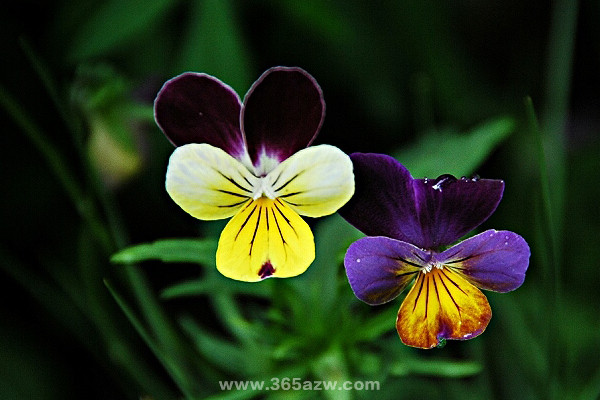
Common diseases of the butterfly flower
Bacterial soft rot
Symptoms
It is mainly caused by bacteria of the genus Erwinia, leading to rot of the tissues or organs of the butterfly flower, mainly harming the plant's organs, tubers and stem base, among others. During the onset of the disease, the damage is severe. Soft rot caused by bacteria usually produces a foul odor because miscellaneous bacteria break down protein gum to produce indole.
Control methods
1. Disinfect the seedlings
2. Disinfect the cultivation pots and tools.
3. The cultivation method should be appropriate.
4. Use drugs for prevention. Agricultural streptomycin, chloramphenicol and other antibacterial drugs can be used; the concentration does not need to be very high.
Leaf blight
Symptoms
July to October each year is the peak period for leaf blight of the butterfly flower, and the disease on the plant leaves is relatively severe. Leaf blight overwinters on the diseased leaves of the butterfly flower, and when the temperature is suitable the following year, it spreads through wind and rain to the butterfly flower and causes infection.
Control methods
1. In autumn, thoroughly remove the diseased leaves and gather them together to slightly [treat them], preventing harm to the butterfly flower the following year.
2. Strengthen the cultivation management of the butterfly flower and control the occurrence of the disease.
3. In areas where the disease is relatively severe during the growing season, spray once every ten days; several consecutive sprays can effectively control it.

Common insect pests of the butterfly flower
Insect pests
They are often caused by the feeding of larvae of the noctuid moth, snails and slugs. Generally, from June to August each year, they harm the roots of the butterfly flower, and incompletely decomposed organic fertilizer often attracts adult insects to lay eggs.
Control methods
It can be controlled by spraying with a 1000-fold dilution of 40% omethoate emulsifiable concentrate. Alternatively, spray with 3% lime water in the evening.