What to Do When Echeveria 'Perle von Nürnberg' Succulent Gets Black Rot? Teach You the Correct Way to Handle It
Black rot shows itself in many forms, but by the time you notice your Echeveria 'Perle von Nürnberg' turning black, it is already too late. You must always watch for faded areas along the edges of the plant, and for stems and leaves that have turned soft or mushy.
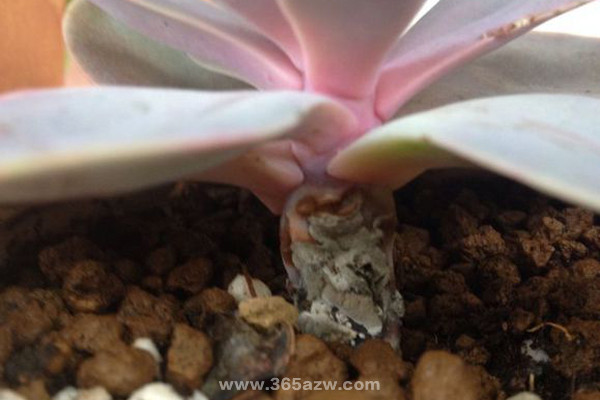
Causes of Black Rot in Echeveria 'Perle von Nürnberg'
Improper Watering
Black rot is one of the most common diseases of succulents, usually a fungal infection caused by overwatering or an overly humid surrounding environment.
Poorly Aerated Soil
Another cause is poorly aerated soil, where each watering leaves water pooling around the stem or even the roots.
Pests and Diseases
Black rot caused by pests and diseases. Some pests live on the leaves and stems, and the wounds they create while sucking plant sap can also lead to fungal infection.
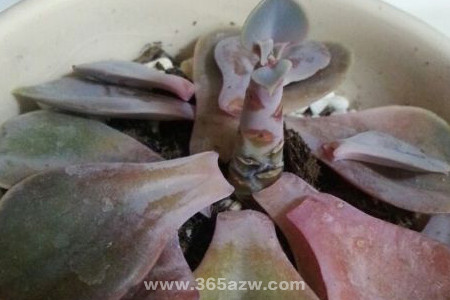
How to Treat Black Rot in Echeveria 'Perle von Nürnberg'
Treatment depends on the cause, so black rot is handled according to the situation.
Stem rot:
Remove the rotted parts as soon as possible, and re-root the remaining part as a cutting. Remember that the cut surface must dry completely before it goes into soil. If the rot is fairly severe, just throw it away!
Fungal rot:
Fungal infections must be handled with care. Use a sterilized knife to cut away the rotted parts, then coat with a thin layer of sulfur. Spray the plant with a mixed solution of benomyl (a fungicide) and mancozeb.
Note: When treating a plant with black rot, keep your tools clean and sterile, and wash your hands thoroughly before touching other plants.