What causes a calla lily plant to become weak and limp
Calla lily weakness can be understood as a lack of nutrients for some reason, which leads to an unhealthy plant and, in more serious cases, death outright. Let's take a look below at how to treat a weak calla lily!
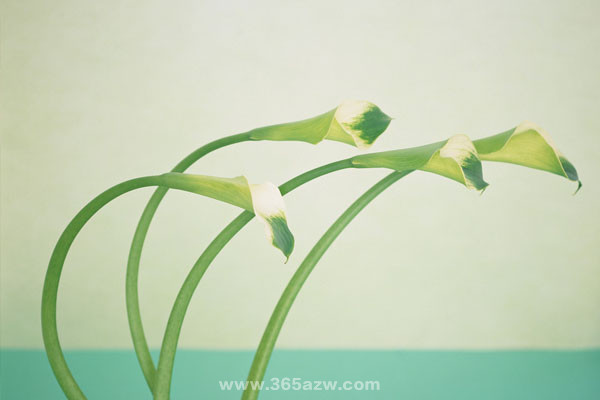
Causes of calla lily weakness
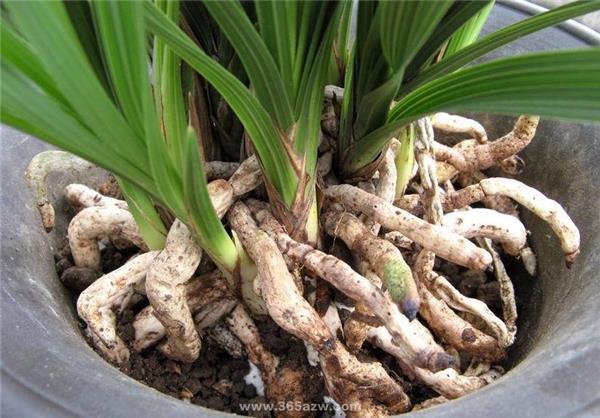
Calla lilies are tuberous-rooted plants, and the main cause of a weak, limp plant is damage to the roots. The causes are as follows:
Improper watering
Calla lilies need plenty of water during the growing period, but you should not water from above, as this easily lets water pour into the center of the leaves, causing water to accumulate around the tuber, making the plant prone to bacterial soft rot and leading to root damage.
Soil that is too wet and not breathable
Tuberous-rooted and bulbous plants generally need a loose, breathable growing medium, and you should avoid heavy, non-breathable yellow clay with poor drainage. If the tuber is buried too deep, it easily rots. If the soil is too dry, the roots dry out too, which can also make the plant weak and limp.
Improper fertilizing
When the temperature drops below 10°C or rises above 28°C, the calla lily enters natural dormancy and the plant stops growing. At this point you must control watering and stop fertilizing. Otherwise the plant becomes weak and limp, and it will be very hard for it to survive once dormancy ends.
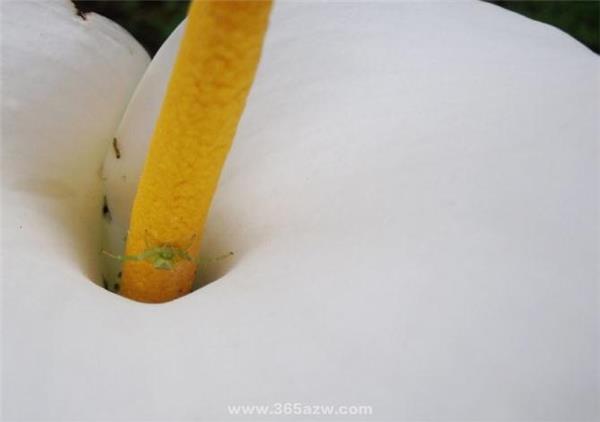
Red spider mite infestation
Red spider mites suck the plant's sap and like to spin webs. When the entire leaf is wrapped in webs, the calla lily becomes extremely weak and will soon die.
Unpotting and disinfection
Dig out the calla lily tuber, remove the rotted parts of the roots, then soak it in an 800-fold carbendazim solution and a 1000-fold potassium permanganate solution for 30 minutes. After it dries, repot and plant it again.
Since the original potting soil has already been infected by bacteria, it is advisable to replace it. After repotting, cut the leaves and stems as short as possible to encourage root development.
Watering and fertilizing
For watering, use the soaking method, letting water slowly seep into the pot through the base so that it moistens the soil surface; this method can prevent root rot. Alternatively, when repotting, pile a small mound of soil 1.5-2 cm high directly above the roots to prevent water from pouring straight onto the base of the roots when watering.
For fertilizing, choose granular fertilizer and scatter it on the surface. While the symptoms of plant weakness have not fully eased, try not to apply liquid fertilizer.
Preventing and controlling pests and diseases
Open the windows for ventilation, and pay attention to misting regularly to maintain air humidity. If you find pests, spray the branches and leaves with an 800-fold dimethoate solution, focusing on the undersides of the leaves. Even simpler is to use a small amount.