Common Diseases of Clivia and Their Prevention and Treatment Methods
When the cultivation conditions for Clivia are unsuitable, it often leads to pest and disease problems, ranging from affecting its appearance to causing the death of the entire plant. Therefore, early detection and early treatment are essential. This article introduces the common diseases of Clivia and their prevention and treatment methods!
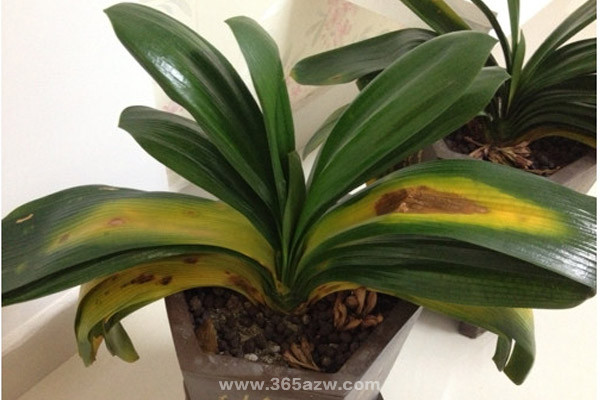
Common Diseases of Clivia
Several common diseases of Clivia include: southern blight, soft rot, anthracnose, and others.
Southern Blight
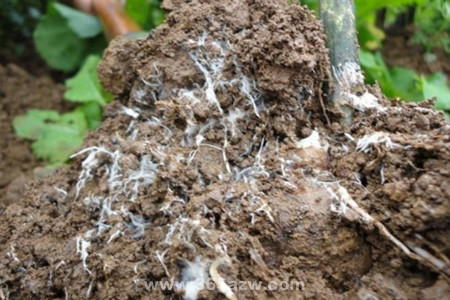
When the disease occurs, irregular lesions appear on the stem near the roots, the epidermis becomes soft, and then many white hyphae appear, gradually expanding and spreading throughout the entire plant.
Prevention and treatment methods:
Before potting, sterilize the growing medium. A simple method is to place the growing medium in a 60°C environment for 24 hours. (This may be somewhat difficult to do at home, so just sterilize it directly.) Observe regularly, and immediately cut off diseased leaves when lesions are found, and sprinkle lime powder for disinfection.
In the early stages of the disease, water with carbendazim powder, once a week, 2 to 3 times is sufficient.
Soft Rot
When the disease occurs, pale yellow spots appear on the leaves, the plant becomes soft and rotten, and bacterial fluid flows from the lesions.
Prevention and treatment methods:
Once a diseased plant is found, immediately pull it out and thoroughly remove it. Use a sterilized knife to cut away the rotten parts, provide appropriate light, and maintain ventilation.
If the rot is severe, directly cut out the diseased tissue, soak in potassium permanganate solution for 1 hour, then rinse with clean water and dry, apply plant ash to the cut surface, and repot for planting.
Anthracnose
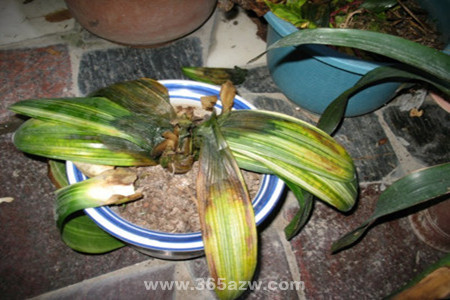
It occurs mostly in humid and stuffy seasons, and the affected areas are the leaf tips and leaf edges. In the early stage, brown spots appear on the leaves and gradually expand; in the later stage, the plant shrivels and dries up.
Prevention and treatment methods:
Water appropriately, place the flower pot in an environment with good ventilation and light, and keep the potting soil moist. Apply appropriate phosphorus and potassium fertilizer as a top dressing. When the plant's growing environment is suitable and it grows healthily, the probability of disease will be reduced.
Once a diseased plant is found, immediately spray with a carbendazim solution diluted 800 times, spraying once every 6 days, and results can be seen in 3 to 5 times. Be sure to detect early and treat early!