Control methods for common pests and diseases of hyacinths
Hyacinths have a strong ability to adapt to the environment, but they have the body of a big burly man and the heart of Lin Daiyu - fragile and prone to illness. Below are several common pest and disease control methods for you!
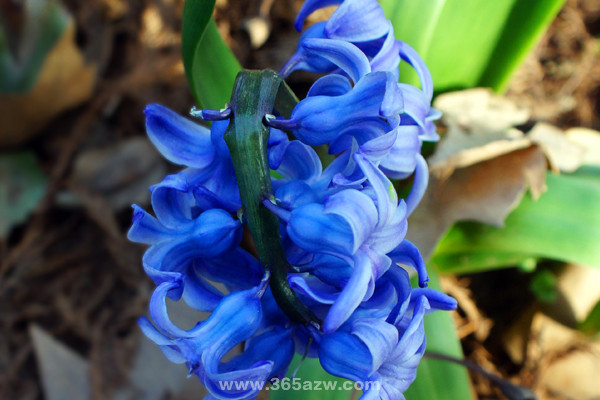
Control methods for common pests and diseases of hyacinths
Yellow rot
Symptoms
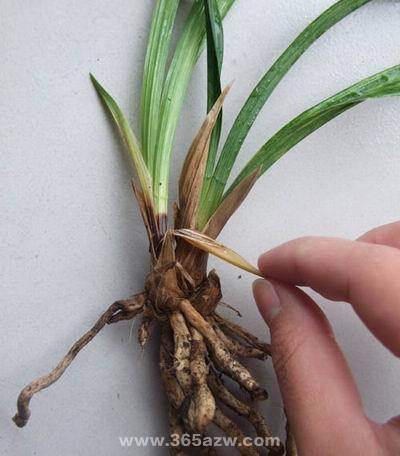
When the disease strikes, many lesions appear on the plant's leaves, looking as if they have been flooded. The lesions gradually turn yellow or brown, and the bulb produces yellow slime and begins to rot.
Control methods
When planting, select healthy, sterile bulbs.
Before planting, disinfect the bulbs and soil with formalin solution. If growing hydroponically, use uncontaminated clean water.
When the disease occurs, spray carbendazim solution once every 2-3 days; symptoms ease after 3-5 sprays.
Sclerotinia rot
Symptoms
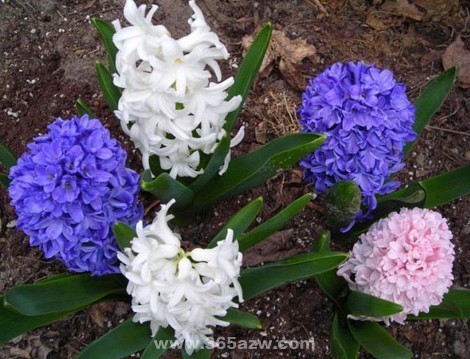
The main site of infection is the bulb, which gradually spreads upward, and the leaves turn yellow and develop yellow streaks.
Control methods
When planting, select healthy, sterile bulbs.
Disinfect the potting soil with quintozene by sprinkling it directly into the soil, mixing it evenly, and then planting.
Diseased plants should be dealt with promptly, and diseased leaves should be removed in time.
Gray mold
Symptoms
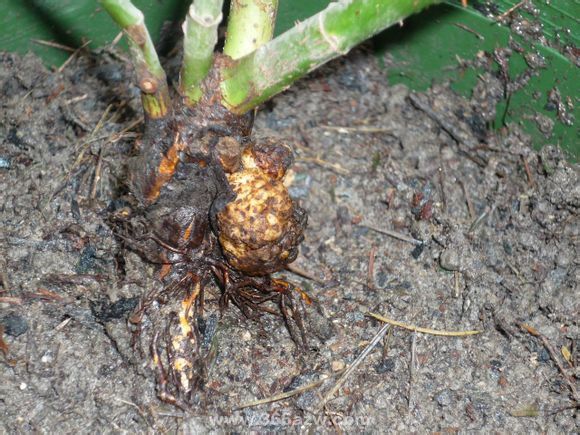
Leaf tips change color and leaves wrinkle. If the environment is too cold and too humid, the flower stems are prone to rot. In severe cases, the leaves produce gray sclerotia. In particular, the diseased material overwintering in the soil produces spores, accelerating the spread.
Control methods
Reduce infection sources: promptly remove diseased leaves as soon as they are found.
Chemical control: spray Bordeaux mixture, mixed at a ratio of 1:1000, spraying 2-3 times with an interval of 1-2 days.
Root nodule disease
Symptoms
It mainly harms the roots. When the disease first occurs, the root system grows normally, but after growing to a certain extent, many small white nodules appear on the roots. The plant grows weakly, sometimes the small flowers shrivel, and in severe cases the whole plant dies.
Control methods
During the storage period of the bulbs, strict disinfection and sterilization are required, and the storage environment should be well ventilated with suitable temperature. Check once a week for any abnormalities, and promptly burn diseased plants when found.
The soil must be disinfected before planting.
Provide careful maintenance, and promptly remove dead branches and fallen leaves on the soil surface when found. During care, do not frequently disturb the roots, so as to avoid damaging the root system and increasing the probability of disease.