How to Grow the "Thick-Skinned" Plant? A Detailed Guide to Growing Methods and Tips
How do you grow the "thick-skinned" plant? The "thick-skinned" plant is an ornamental plant with relatively high ornamental value, and its growing method is simple, but many friends always run into all kinds of problems when growing it. Below, let us take a detailed look at how to grow the "thick-skinned" plant!
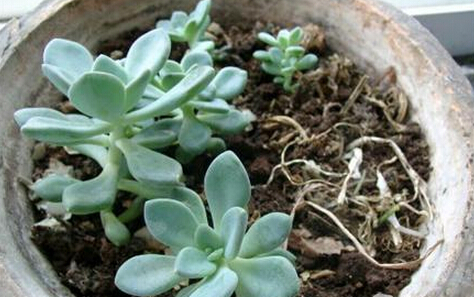
How to Grow the "Thick-Skinned" Plant
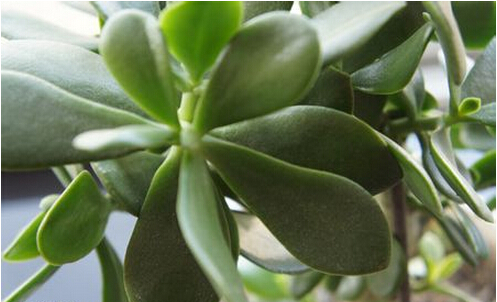
The "thick-skinned" plant is a Crassulaceae plant that originally grew in South Africa. It is evergreen all year round and can grow both in moist places on mountains and roadsides and as a landscape plant indoors or in gardens. The upright stem has many branches, and its surface has no fine hairs. The leaves are opposite, succulent and thick, and are divided into simple leaves and pinnately compound leaves, with oblong leaves that are rounded and blunt at the tip. The panicle is yellow-white or pale green, the tubular corolla is spherical at the base, and inside there are follicles.
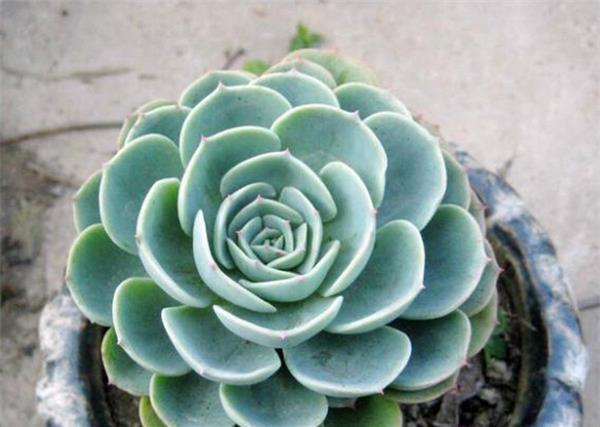
Growth habits: It cannot grow normally in cold weather, and in winter it cannot survive below 7°C. It likes light and needs sufficient sunlight, tolerates partial shade, and is also drought-tolerant. It likes a warm environment, and the soil requirement is loose sandy soil.
Propagation: There are mainly three methods: sowing, cuttings, and adventitious buds, and the first is relatively commonly used. Before cutting, choose a robust and plump 8-10cm top branch, cut it off, let it dry, then insert it into suitable soil, water it thoroughly, and after 3 weeks it can grow normally. In addition, it can also be propagated by inserting a single leaf into a sand bed; roots can grow in about 1 month, and when the roots reach 2cm it can be transplanted into a pot.
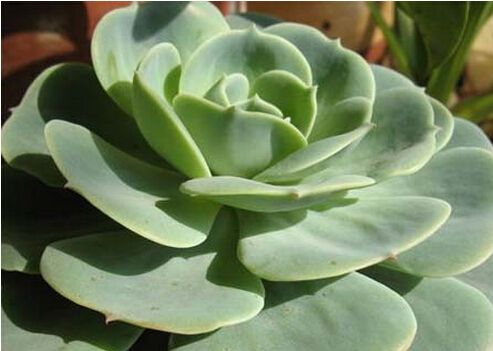
Growing methods for the "thick-skinned" plant:
1. Soil: The "thick-skinned" plant is highly adaptable and its cultivation and management are extensive. When potting, a mixture of 3 parts leaf mold and 1 part sandy soil can be used as the substrate.
2. Watering: During the growth period of the "thick-skinned" plant, water slightly more to keep the potting soil moist, but not waterlogged. When the temperature drops in autumn and winter, watering should be reduced. It blooms in winter, so watering should be strictly controlled, but do not forget to water.
3. Light: Because the "thick-skinned" plant relatively likes sufficient sunlight, when there is sunlight, everyone should try to place the "thick-skinned" plant on the balcony for photosynthesis. However, it must not be fully exposed to the sun or direct sunlight, as this will also cause the branches and leaves of the "thick-skinned" plant to be scorched.
4. Fertilizing: During the growth period of the "thick-skinned" plant, fertilize once a month. When the stems and leaves grow too tall, pinch off the growing tips to lower the plant shape and encourage more branching. Repot and replace the soil every spring to maintain a graceful plant form.
5. Pests and diseases: The "thick-skinned" plant is mainly harmed by gray mold and powdery mildew, which can be sprayed with a 1000-fold dilution of 70% thiophanate-methyl wettable powder. Insect pests include scale insects and aphids, which can be killed by spraying with a 1000-fold dilution of 40% dimethoate emulsifiable concentrate.
6. Pruning: In order to let the "thick-skinned" plant have lush branches and leaves and at the same time grow more healthily, when pruning, it is best to maintain the original shape and only prune the old and yellowed branches and leaves. Do not prune too much at one time, as this will damage the "thick-skinned" plant.
That is a brief introduction to how to grow the "thick-skinned" plant. After reading the above introduction, do you already have a clear understanding of the growing methods for the "thick-skinned" plant? I hope the above introduction is helpful to you!