A Detailed Guide to Common Diseases of Japanese Iris and Their Control Methods
When Japanese iris is infected by disease, the leaves become soft and lusterless, and the flowers wilt, losing all their beauty. Don't worry, let us teach you how to save Japanese iris after it becomes infected!
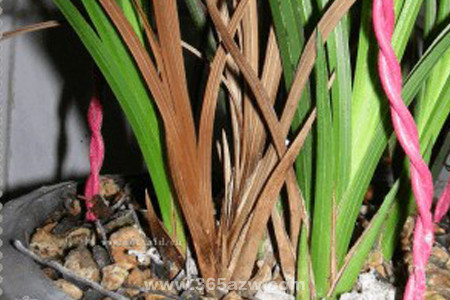
Japanese Iris Soft Rot
Water-soaked spots appear on the leaves of the plant, and the growth of new shoots is hindered. The tissue at the infected site becomes soft and rots, producing a foul odor. In the early stage of the disease, the roots grow normally, but later they turn yellow and translucent, and gradually rot.
Control
When the disease occurs, promptly spray a 1000-1300 times dilution of streptomycin sulfate or agricultural streptomycin solution, or a 500-600 times dilution of Baijuntong wettable powder. Apply once every 5-7 days, spraying 2-3 times in succession.
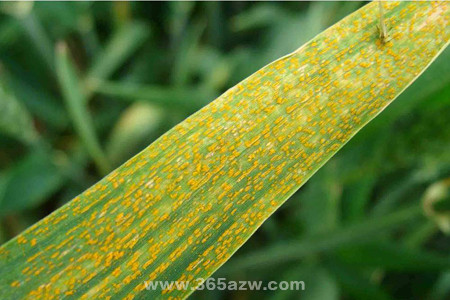
Japanese Iris Rust:
Early summer is the peak season for rust disease. When it occurs, rust-colored spots appear on the leaves, leaf stalks, buds and young branches. Leaves that are more than two months old are usually not infected; it mainly attacks young leaves and tender branches.
Control
In early spring, promptly remove diseased buds. Diseased buds are bright yellow, unusual in shape, and open earlier, making them easy to identify; removing them promptly is extremely effective at reducing sources of infection. When cleaning up, be careful about the spores on the diseased buds scattering, otherwise the preventive effect will not be achieved.
During the disease period, spray a 100 times dilution of the fungicide zineb for eradication and control.
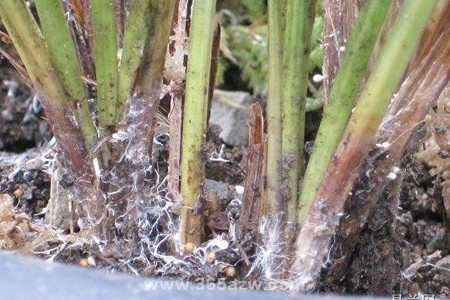
Japanese Iris Southern Blight
Southern blight mainly damages the rhizomes, causing rot and affecting plant growth.
Control
When a plant is infected with southern blight, the important source is the soil, so turn the soil every winter and disinfect the potting soil, and promptly remove the remains of diseased plants (rotted rhizomes).
Strengthen maintenance by watering, fertilizing and loosening the soil at the right times to promote vigorous plant growth and improve the plant's disease resistance. In summer, pay attention to sun protection to reduce the harm of sunscald. In the early stage of the disease, irrigate the roots with copper sulfate solution. Or use tolclofos-methyl emulsifiable concentrate, diluted with water, and spray to kill. Apply once every 10 days.