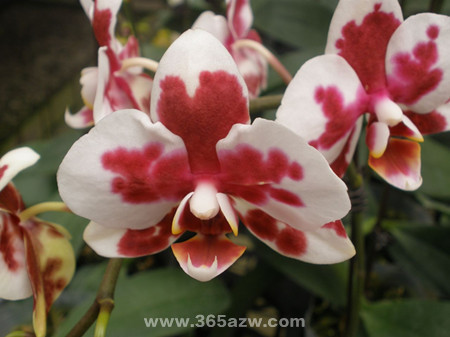
What causes Phalaenopsis orchid buds to drop?
There are many reasons that can cause abnormal bud drop in Phalaenopsis orchids, so growers need to pay sufficient attention to many aspects of cultivation and management. Let's first take a look at the specific situations that can cause buds to drop.
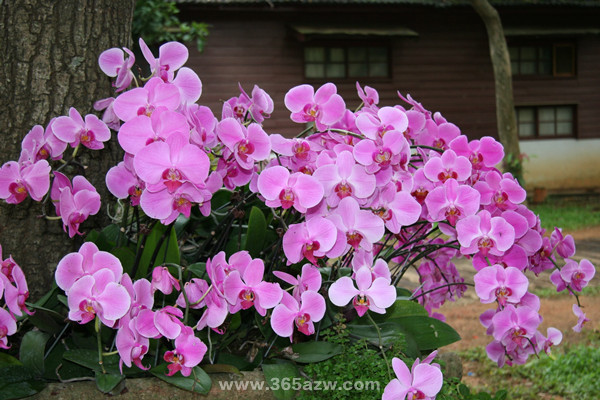
Analysis of the causes of bud drop
Excessive day-night temperature difference
A day-night temperature difference that is too large prevents the plant from adapting to a sudden change in temperature conditions, which causes bud drop.
Mites and other pests
Generally the buds suddenly take on a dehydrated appearance, and the color also turns an abnormal dark red. When the pest infestation is severe, all the buds will drop.
Root damage
Improper application of water and fertilizer causes abnormal root growth. If the roots remain in an oxygen-deficient state for a long time, it becomes difficult to provide sufficient nutrients, leading to bud drop.
Environmental pollution
After the air is polluted, the harmful substances it contains enter the tissues of the buds due to osmotic pressure. If an affected bud is opened at this point, small water droplets can be seen inside; polluted buds are mostly yellowish-brown, and in severe cases black, and they will become moldy and drop.
Insufficient photosynthesis
If the plant does not receive sufficient light during the day, respiration increases at night, making the plant's internal nutrient supply fall short of demand, so it becomes difficult to sustain normal bud growth.
Poor ventilation in the greenhouse
If the indoor air is not ventilated promptly and sufficiently, it is difficult to provide the Phalaenopsis with enough fresh carbon dioxide for photosynthesis, which likewise results in insufficient nutrient production.
Day and night temperatures both on the high side
That is, daytime temperatures above 29°C and nighttime temperatures above 20°C. This accelerates the plant's metabolism, causing excessive loss of nutrients, and easily makes the buds turn yellow and, in severe cases, drop.
Medium too wet
If the medium is too wet during the flowering period, it greatly reduces the oxygen content inside the roots, adversely affecting normal bud development. Not only will the flowers be small and lack luster, but in severe cases the buds will also drop.
Relative air humidity too low
When the air humidity cannot reach the conditions required for normal growth of the Phalaenopsis, the pollen grains inside the flower will shed.
Mechanical damage
When shaping and pruning a Phalaenopsis, if the interior of the flower stalk is accidentally injured, it will affect the normal supply of nutrients. Or if the roots are accidentally broken when repotting, the plant's normal nutrient supply will likewise be affected.
Use of hormone-type drugs
If hormone-type drugs such as flower-bud promoters and chlormequat are sprayed during the flowering and seedling-growing periods of the Phalaenopsis, the plant is also prone to bud drop.