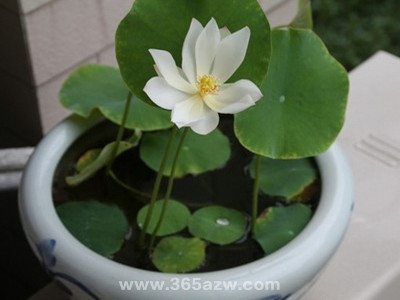
Why do bowl lotus leaves turn black and rot?
During the care of bowl lotus, it is very easy for the leaves to turn black, which not only affects the appearance but also threatens the healthy growth of the bowl lotus. The causes of this phenomenon are varied, and of course you need to address each problem accordingly!
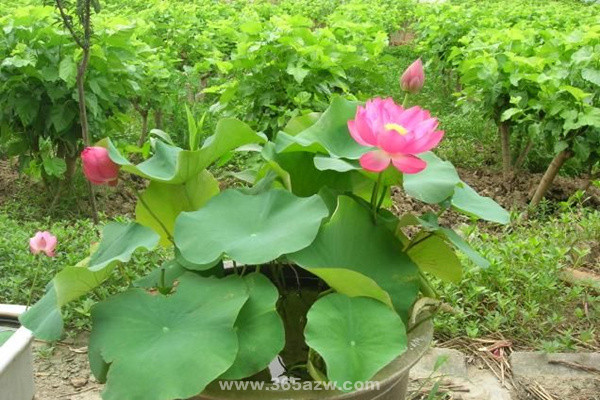
Causes of bowl lotus leaves turning black and rotting
Excessive fertilization
Excessive fertilization makes the soil and water too rich and relatively dry, weakening the leaves' ability to absorb water, so they cannot get the water needed for their own growth. Excessive fertilizer affects the water absorption of bowl lotus leaves, causing fertilizer burn and leaves turning black.
Pathogen infection
When planting, if the soil is not sterilized, or if the water quality is not clean, bacteria will breed, affecting the growth of the bowl lotus and causing the leaves to turn black.
Insufficient light
In indoor conditions with insufficient light, the bowl lotus will be in an overly humid environment, and because of insufficient light, the plant's photosynthesis will be affected, and the leaves cannot grow normally.
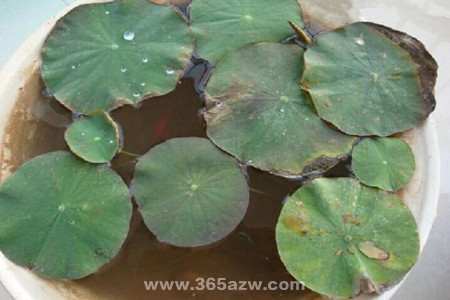
Water quality and water quantity
Bowl lotus is suited to growing in acidic soil. During watering, if the water quality is alkaline or relatively dirty, it changes the soil quality and can cause the leaves to turn black.
Another reason is lack of water: when there is little water in the pot and it is not watered in time, the bowl lotus leaves will also turn black.
Repotting, changing the soil, and changing the water
If too much fertilizer has been applied, the water should be changed immediately. Be careful not to change all of it at once; change half each time, and it will be enough to reduce the concentration of fertilizer in the water. When changing the water, the temperature difference should not be too great, so as not to change the pH and affect the leaves' water absorption. In addition, if too much fertilizer has been applied, you can also repot and change the soil.
If the leaves turning black are caused by relatively dirty water, it is recommended to directly repot and change the soil. Do not directly change the water, otherwise changes in water temperature and pH will worsen the condition. The correct method is to wait until the water evaporates and decreases, then add water of the same temperature.
Note that during the bowl lotus growing season, it must not lack water, otherwise the leaf edges will very easily scorch.
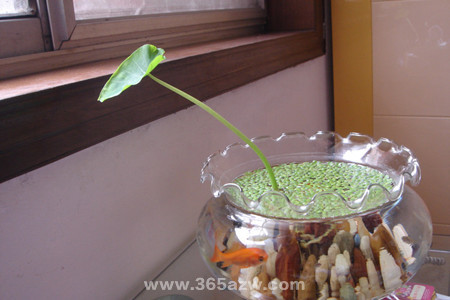
Outdoor care
Except in winter, place it outdoors for care as much as possible during the day, and let it get more sun, but avoid direct strong light.
Pruning and cleaning
During the growth period, bowl lotus leaves are highly prone to disease. Timely cut off the bad leaves, and use carbendazim to disinfect and sterilize; a suitable amount of diluted pesticide can also be sprayed.
Rotting lotus seeds and fertilizer burn can also make the leaves turn black. Therefore, you can pull out those rotting lotus seeds that show symptoms.