What to Do If Hyacinth Bulbs Grow Mold? Teach You the Correct Way to Handle It
Mold on hyacinth bulbs is more serious and tricky than any pest infestation. Improper handling can lead to the entire bulb rotting, and all your efforts will be wasted. Bulb mold is also a concern that many flower growers care about, so today we will give you a detailed answer!
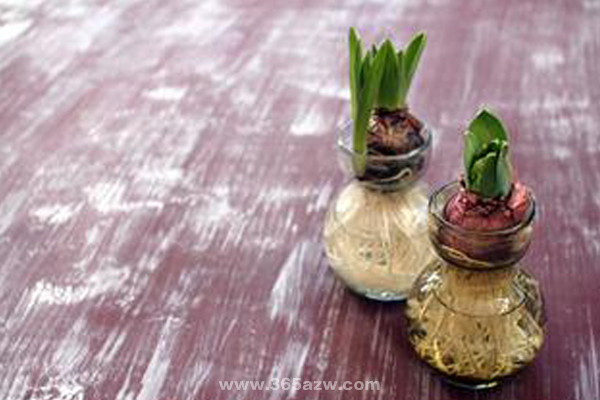
Conditions for mold growth on hyacinth bulbs:
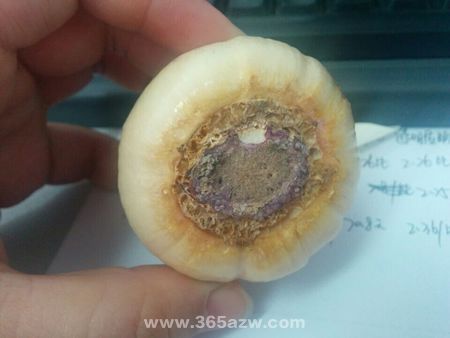
Mold on hyacinth bulbs
When a bulb grows mold, it is certainly mold at work, but the culprit is definitely you. You provided a favorable growing environment for the mold and raised it yourself to harm the hyacinth bulb.
Carbohydrates, corn and other grains (the editor thinks no one would sprinkle crops into a flower pot).
Sufficient moisture, with humidity above 85%.
Suitable temperature (12°C to 25°C).
Oxygen.
For hydroponic hyacinths, the humidity is high, the bulb is rich in nutrients, and the growing environment is warm. All of these meet the mold's growth needs. Add a few unreliable flower growers, and the bulb mold rate is basically 100%.
How to handle mold on hyacinth bulbs
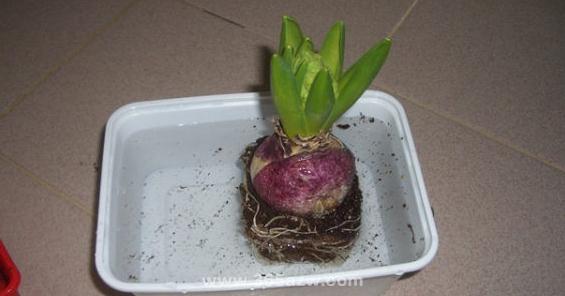
The conventional method is to remove the moldy parts, rinse with clean water and apply sterilizing powder, then dry in a cool place after treatment, keeping the cut surface dry to prevent recurrence. After drying, replant.
This is not a fundamental solution. No one can guarantee the mold will be completely cleaned away, especially since there is also mold in the air. Once the environment is suitable, the bulb can easily grow mold and rot again. So the key is prevention!
How to prevent mold on hyacinths
Keep the bulb itself intact. Do not frequently turn or handle the bulb, so as not to damage the roots. Pay extra attention when changing the water, and do not knock or break the bulb surface, which would leave wounds and increase the chance of infection.
Clean the root base regularly. The roots at the bottom of hydroponic hyacinths rot easily, so promptly removing dead roots is also one preventive measure.
Keep the bulb dry. For hydroponic hyacinths, keep the bottom of the root base about 1 to 3 cm away from the water surface as much as possible; for soil-grown hyacinths, do not wet the bulb when watering.
Disinfect regularly with carbendazim. Carbendazim can inhibit mold growth, but after soaking the bulb, the bulb will be moist, so it should be dried and then replanted.
Do not keep the growing environment too warm. If low temperature is possible, avoid high temperature. Hyacinths themselves can adapt to colder environments. During the flowering period, 15 to 18°C is generally enough. Moderate temperature is also an important part of prevention.