Ivy care tips: vigorous growth and bright green leaves
Peace lily, also known as Spathiphyllum, spathe lily, sail plant, and peace lily. Spathiphyllum is a perennial herbaceous plant in the Araceae family, with emerald green leaves and white spathes, very fresh and elegant, with excellent ornamental value. Because its leaves resemble those of arrowroot and its flowers look like a crane holding its head up, graceful and pure white, it gives people a sense of "purity, calm, peace and tranquility" and is regarded as the "flower of innocence." Below, the editor introduces the key points for growing peace lilies.
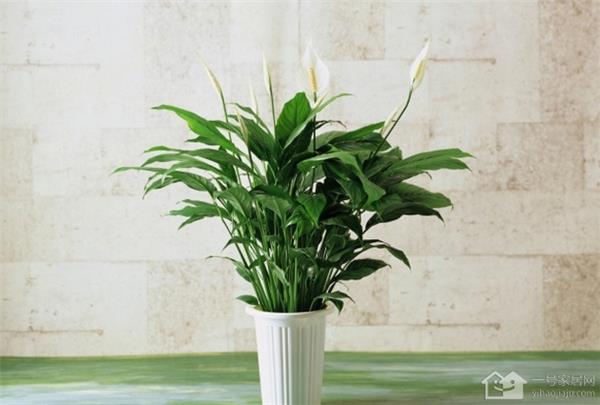
Peace lilies are relatively shade-tolerant. As long as there is about 60% scattered light, their growth needs can be met, so they can be kept indoors year-round in a spot with bright scattered light. In summer, 60%-70% of sunlight can be shaded out. Direct strong light should be avoided, otherwise the leaves will turn yellow, and in severe cases sunscald will occur. In northern winter greenhouse cultivation, no shading or little shading is needed. If the light is too dim for a long time, it is not easy for them to bloom. Peace lilies are a high-temperature-loving species and should be cultivated in a high-temperature greenhouse. In winter, the minimum nighttime temperature should be 14-16°C, and the daytime temperature should be around 25°C. Long-term low temperatures can easily cause leaf drop or scorched yellow symptoms.
During the growing period, the potting soil should be kept moist regularly, but avoid overwatering and long-term soggy potting soil, otherwise root rot and plant yellowing are likely to occur. In summer and dry seasons, water should often be sprayed on the leaf surfaces with a fine-nozzle sprayer, and water should also be sprinkled on the ground around the plant to keep the air moist, which is very beneficial to its growth and development. When the climate is dry and air humidity is low, new leaves will become smaller and yellow, and in severe cases will wither, turn yellow, and drop. In winter, watering should be controlled, and slightly moist potting soil is preferable.
Potted peace lilies require loose soil with good drainage and aeration. Heavy clay soil must not be used. Generally, a substrate can be made by mixing leaf mold, peat soil, and a small amount of perlite; when planting, add a small amount of organic fertilizer as a base fertilizer. Because of its fast growth rate and relatively high fertilizer demand, liquid fertilizer must be applied once every 1-2 weeks during the growing season; at the same time, sufficient water should be provided, and the potting soil should be kept moist regularly. During high temperatures, water should also be sprayed on the leaves and ground to increase air humidity. If the surrounding environment is too dry, new leaves will become smaller and yellow, and in severe cases will wither, turn yellow, and drop. In late autumn and winter, the amount of watering should be reduced, and keeping the potting soil slightly moist is sufficient. It requires semi-shade or scattered light conditions, and during the growing season 60%-70% shade is needed. If the light is too strong, the leaves are easily scorched, withered, and dull in color, losing their luster; if the light is too dim for a long time, the plant will grow poorly and be less likely to bloom. Peace lilies are a high-temperature-loving species. Long-term low temperatures and moisture can easily cause root rot and yellowing of the aboveground parts, so in winter attention should be paid to cold protection and warmth retention, while keeping the potting soil moist.
The above is the editor's introduction to the key points for growing peace lilies. I hope it can help everyone. If you want to learn more related information, please continue to follow No.1 Home Network.