How to Grow Tulips: Detailed Guide to Cultivation Methods and Precautions
The tulip is a relatively easy flower to grow successfully, so friends who enjoy growing flowers and caring for plants can start with tulips. Next, let us take a look at tulip cultivation methods.

Tulip Cultivation Methods
1. Potting
Generally, use a flower pot with a diameter of about 20cm for cultivation, and 3-5 bulbs can be planted shallowly per pot. First, cover the drainage holes with two pieces of broken tile, overlapping them in the middle with each covering half. Next, cover the bottom of the pot with about 10cm of culture soil. The culture soil is generally made by mixing peat soil or virgin soil with fine sand at a 1:1 ratio. The culture soil should be replaced every year, and continuous cropping must not be used. Virgin soil is soil from a layer 30cm or more below ground; using virgin soil for planting is to reduce pests and diseases. The top of the bulb should be level with the soil surface. Remove the bulb skin, place the tulip bulb on the culture soil, press lightly, then add more culture soil to bury the bulb, with the top of the bulb level with the soil surface. Gently firm the soil by hand. After potting, water immediately, thoroughly soaking it in one go, until water seeps out from the bottom of the pot.
2. Rooting
During the rooting stage after the bulbs are just planted and covered with soil, no light is needed. First place them in an environment with a temperature of 7°C-11°C and shade them while they develop roots (generally 4-6 weeks); otherwise, rooting of the bulbs will be affected, leading to blind flowers or blind buds, or extremely poor flowering quality. During this stage, it is enough to keep the soil moist.
3. Growth
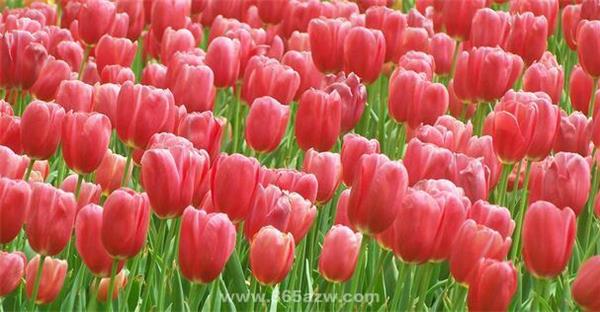
After 4-6 weeks, they can receive relatively sufficient light, and the plants should receive no less than 8 hours of direct sunlight per day. Poor light easily causes spindly growth, and the plants become weak and thin with yellowish leaves. The environmental temperature during the growth period is 15°C-18°C; this temperature is suitable for the normal growth of tulips. During this stage, if the temperature is too low, flowering will be delayed; if too high, flowering quality will be affected. During cultivation, the amount of watering should be appropriate, and they must not be planted in an overly humid environment; otherwise, the medium is prone to mold or the bulbs to rot. As the flowering period approaches, watering must be controlled even more strictly. Tulips can be given a topdressing of diluted cake fertilizer water about once every ten days. From bud formation to before flowering, appropriately apply more phosphorus and potassium fertilizer, and apply 1-3 times a 0.2% potassium dihydrogen phosphate solution, which can promote earlier flowering and larger blooms. The nutrition tulips need for growth and flowering mainly comes from the bulbs, while the formation of daughter bulbs depends more on nutrients in the soil. If the bulbs will not be planted again the next year, no fertilizer is needed.
4. Flowering
When tulips are flowering, to prolong the flowering period, take the following measures: (1) Control the environmental temperature at 8°C-12°C. Because tulips prefer cool conditions, flowers tend to fade when the temperature is too high. (2) Keep the soil relatively dry and water as little as possible; when watering, do not spray water on the flowers, otherwise the flowers will fade even faster. (3) Keep the environment bright, but avoid overly strong direct sunlight; strong light makes flowers fade easily. (4) Stop fertilizing.
5. Care After Flowering

The flowering period of tulips is about three weeks. After flowering, the flowers can be discarded. If you want them to bloom again next year, you can use the following method for care. After the flowers fade, immediately cut off the flower stalks, and plant the bulbs together with their leaves in a pot (if you have a small yard, you can also plant them in the ground). When planting, first add base fertilizer, preferably soybean cake crumbs and bone meal, to promote the growth of the small bulbs that split off; during this period, apply diluted fertilizer 2-3 times, and usually water to prevent drying out. In early summer, tulips enter a semi-dormant period. At this time, the small bulbs must be dug out of the pot, dried, and stored. Two months before planting, carry out cold storage treatment, generally by placing them in a refrigerator at 4°C-6°C. Two months before Spring Festival, repot them again and apply base fertilizer. By Spring Festival they will bloom again, but the flowers produced may be somewhat smaller.
It should also be noted that the root system of tulips is most afraid of damage. Therefore, during or after the rooting process of tulip bulbs, never transplant tulips or perform operations such as moving pots that may injure the roots. Once the root system is damaged, they will no longer be able to flower normally.
Precautions for Tulip Cultivation
(1) In mid-to-late April, most early-flowering varieties are near the end of flowering and their petals begin to fall, while mid-flowering varieties enter full bloom. When the temperature exceeds 28°C, the cut flower quality of the vast majority of tulip varieties will be affected, so the environmental temperature should be controlled at 10-20°C. Only in this way can normal flowering of the plants be ensured; excessively high temperatures will cause the plants to develop blind buds. In early May, the temperature is 20-25°C, and the plants begin to set a large amount of seed. In late May, as the temperature rises, the leaves begin to turn yellow and wither, and the renewal bulbs gradually mature. In early June, when the temperature sometimes reaches as high as 25-30°C, the root system gradually dies, the fruit turns from green to yellow, the capsules split open, the seeds mature, and the bulbs enter the dormant stage.
How to Grow Tulips
(2) Tulip seeds prefer low temperatures for germination. Generally, seeds begin to germinate at around 5°C, with 7-9°C being best and giving a high germination rate; above 16°C germination is delayed, and above 25°C they do not germinate. Under suitable conditions, the germination rate is above 90%. If the seeds are cold-stored at 8-10°C for 30 days before sowing, germination will be even better. The suitable temperature for seedling growth is 13°C, and afterward it should be controlled within 25°C.
(3) When tulips are forced in a greenhouse in winter, the temperature and humidity in the greenhouse are mainly regulated through ventilation, so as to maintain the optimal temperature indoors for stem and leaf growth and for bud formation and flowering. At the same time, during the bulb storage period, room temperature is likewise regulated through ventilation to reduce the chance of pest and disease infection.
(4) Turning tulip flower pots: because plants have phototropism, the flower pots should be turned frequently so that the stems can grow upright without leaning, and the whole plant grows evenly and looks attractive.
Pest and Disease Control for Tulips.
The main pests and diseases of tulips include rot disease, sclerotinia disease, viral disease, thrips, foxglove aphid, and root lice, among others.
Prevention and Treatment of Southern Blight in Tulips.
Symptoms: The whole plant wilts, white mycelial strands or rapeseed-like tan sclerotia wind around the stem base, and the affected part turns brown, putrid, and rotten. A large amount of white mycelial strands and tan fungal bodies can be seen on the soil surface.
Causes:
a. The pathogen overwinters in the soil as sclerotia or mycelial strands along with diseased plant residues. When conditions are suitable the following year, the sclerotia or mycelial strands produce hyphae for primary infection.
b. The silky hyphae produced by the plant extend and contact neighboring plants, or sclerotia spread through water flow for secondary infection, causing the disease to spread and expand. The disease is severe in continuous cropping, heavy clay soil, low-lying terrain, or in years or seasons with high temperature and high humidity.
Control methods: When diseased plants are found, promptly pull them out and burn them. Drench the diseased holes and neighboring plants with a 1000-1600 times dilution of 5% Jinggangmycin aqueous solution, or a 500-600 times dilution of 50% Tian'an aqueous solution, or a 1000 times dilution of 20% tolclofos-methyl emulsion, or a 500 times dilution of 90% dexon wettable powder, sprinkling and drenching 0.4-0.5 liters per plant (hole). In conjunction with plowing, mix in 100-150 kg of lime powder per mu to make the soil slightly alkaline, which can inhibit the reproduction of the southern blight pathogen.
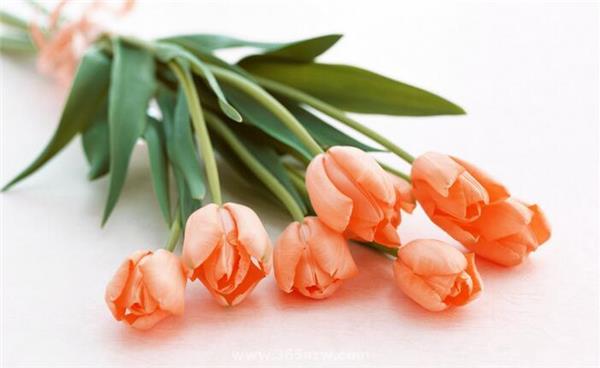
The above is the relevant introduction to tulip cultivation methods. Friends who like tulips can use it as a reference.
so as to maintain the optimal temperature indoors for stem and leaf growth and for bud formation and flowering. At the same time, during the bulb storage period, room temperature is likewise regulated through ventilation to reduce the chance of pest and disease infection.(4) Turning tulip flower pots: because plants have phototropism, the flower pots should be turned frequently so that the stems can grow upright without leaning, and the whole plant grows evenly and looks attractive.
Pest and Disease Control for Tulips.
The main pests and diseases of tulips include rot disease, sclerotinia disease, viral disease, thrips, foxglove aphid, and root lice, among others.
Prevention and Treatment of Southern Blight in Tulips.
Symptoms: The whole plant wilts, white mycelial strands or rapeseed-like tan sclerotia wind around the stem base, and the affected part turns brown, putrid, and rotten. A large amount of white mycelial strands and tan fungal bodies can be seen on the soil surface.
Causes:
a. The pathogen overwinters in the soil as sclerotia or mycelial strands along with diseased plant residues. When conditions are suitable the following year, the sclerotia or mycelial strands produce hyphae for primary infection.
b. The silky hyphae produced by the plant extend and contact neighboring plants, or sclerotia spread through water flow for secondary infection, causing the disease to spread and expand. The disease is severe in continuous cropping, heavy clay soil, low-lying terrain, or in years or seasons with high temperature and high humidity.
Control methods: When diseased plants are found, promptly pull them out and burn them. Drench the diseased holes and neighboring plants with a 1000-1600 times dilution of 5% Jinggangmycin aqueous solution, or a 500-600 times dilution of 50% Tian'an aqueous solution, or a 1000 times dilution of 20% tolclofos-methyl emulsion, or a 500 times dilution of 90% dexon wettable powder, sprinkling and drenching 0.4-0.5 liters per plant (hole). In conjunction with plowing, mix in 100-150 kg of lime powder per mu to make the soil slightly alkaline, which can inhibit the reproduction of the southern blight pathogen.
The above is the relevant introduction to tulip cultivation methods. Friends who like tulips can use it as a reference.