How to Grow Gardenia? A Detailed Guide to Growing Methods
The gardenia is very beautiful, and its snow-white flowers are admired by many people. Growing it on a home balcony or in an indoor bedroom is very lovely, so how do you grow a gardenia? Let us take a look together next.
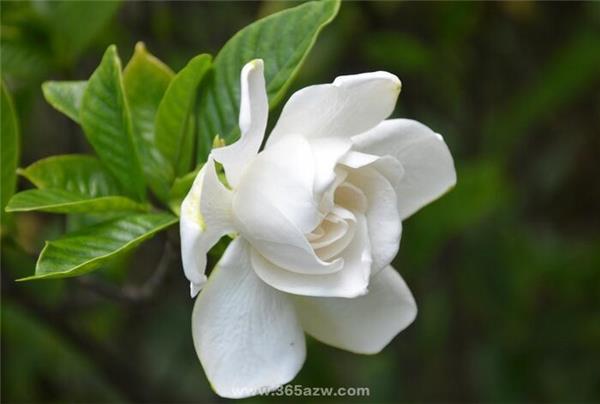
How to grow gardenia? An introduction to gardenia growing methods:
Gardenia likes a warm climate and acidic soil and water, and is suited to growing in the south; in the north it also needs careful care to survive, otherwise it will wither away. The gardenia growing methods are as follows:
1. Choose acidic potting soil! The soil requirement for potted gardenia is an acidic pH value of 5-6, which is fine. When planting, choose leaf mold, peat soil or composted sawdust plus half garden soil. Remember not to use wall soil and coal cinders as the growing soil.
2. Water frequently during the growing process! During the gardenia growing process, when the surface of the potting soil is dry, it needs watering; in the evening, you can use a spray bottle to sprinkle water on the leaf surface. For those growing too vigorously with longer internodes, do not water in the evening; water again after the sun comes out in the morning.
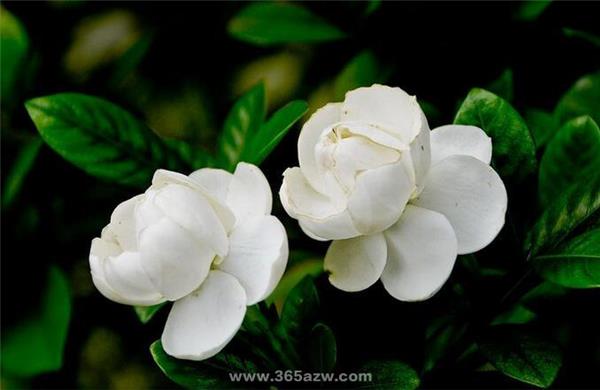
3. Fertilize frequently as usual! Add 3% decomposed cake fertilizer to the potting soil as a base fertilizer. During the growing season, water once a week with alum fertilizer water made by composting cake fertilizer plus ferrous sulfate; at the bud stage, water 1 to 2 times with a 0.1% potassium dihydrogen phosphate aqueous solution; stop fertilizing during the hottest summer period when the temperature is above 35°C and in autumn when it is below 15°C.
4. Water more and give more light! Gardenia likes sunlight, but is afraid of heat and strong sun; it grows best in semi-shaded places, and 60% of full-day light is enough, so that it can meet its growth needs.
5. Winter dormancy and frost protection! In winter the temperature drops, and severe cold will freeze and damage the gardenia's root system, especially in the north, where winter comes early and lasts long, so frost protection for gardenia in winter is very important. Wrap the flower pot well with foam plastic and other insulation materials to protect the root system, and place it in a wind-sheltered, sunny spot to overwinter; then it will recover quickly in spring and bloom early.
6. Change the potting soil in spring! When an indoor potted gardenia reaches a height of about 30 cm, it needs a soil change; if repotting, plant it into the new pot together with the root ball. It is better to change the soil in March in spring, as the roots are then more likely to grow new roots after being injured.
7. Prune before winter! According to the tree shape, select and keep three main branches, and at any time cut off other branches sprouting from root suckers. Remember that gardenia must not have its branch tips cut back in spring, otherwise it will not bloom that year.
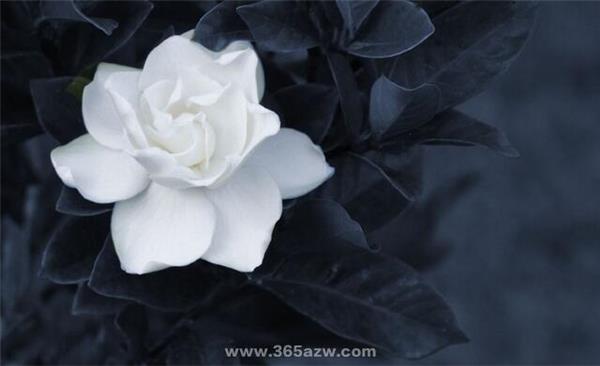
How to Grow Gardenia
Gardenia can be sown in spring or autumn; generally it is mostly done in spring. For spring sowing, sow around the time of Yushui; for autumn sowing, sow around the time of Qiufen. When sowing, mix the seeds with plant ash and sow them evenly in the sowing furrow, then cover the furrow evenly with fine soil or burnt soil, cover with grass and sprinkle water, and often keep the soil moist to help seedlings emerge, using 4-6 jin of seeds per mu. After seedlings emerge, be careful to remove the covering grass in time; during the seedling stage, weed frequently, being careful not to damage the seedling roots. After weeding, topdress with dilute human manure and urine water each time, and after one year of raising seedlings they can be transplanted. If transport is relatively far, it is best to coat the roots with yellow mud slurry and cover with grass to retain moisture; plant one plant per hole, then cover with soil, press firm and sprinkle water. After planting, cultivate and weed and topdress once each in spring and summer every year; applying human and livestock manure, barnyard manure, compost, cake fertilizer and so on are all fine. Before flowering in summer, it is better to apply fertilizer with a higher phosphorus and potassium content; fertilizing is generally done after weeding and loosening the soil.
The Uses of Gardenia
Besides ornamental use, its flowers, fruits, leaves and roots can be used as medicine. Gardenia contains gardenoside, dehydroxyl gardenoside, paederoside methyl ester and a small amount of shanzhiside, and has effects such as clearing heat and promoting urination, cooling blood and detoxifying, treating jaundice, painful and difficult bloody strangury, red swollen and painful eyes, heat-toxin sores, and lowering blood pressure. How to grow gardenia in the north:
The color, fragrance, taste, scenery and form of gardenia all have excellent ornamental value, and it is deeply loved by northern people, but gardenia is native to the provinces south of the Yangtze River basin, and its growth habits are not in harmony with the northern climate. However, if you understand its physiological characteristics and suit the remedy to the case during cultivation and care, gardenia in northern homes will also have emerald-green leaves and jade-white flowers.
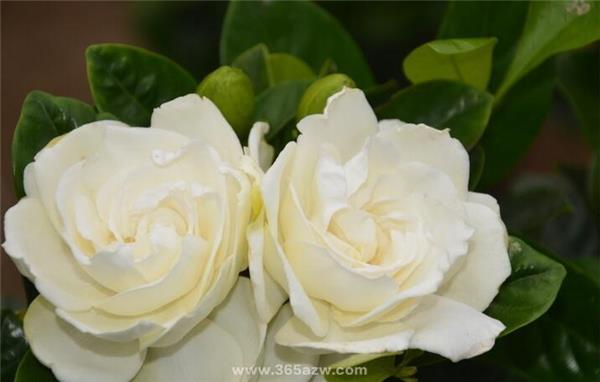
The above is the relevant introduction on how to grow gardenia. If you have learned it, hurry and grow one yourself.