Is the Cuban oregano (Plectranthus amboinicus) toxic? Understanding its toxicity correctly
The Cuban oregano is a very distinctive plant: as soon as you touch it with your hand, it releases a fragrance, and this fragrance also makes many people think that the Cuban oregano is a toxic plant. Is the Cuban oregano toxic? Let's take a look together below.
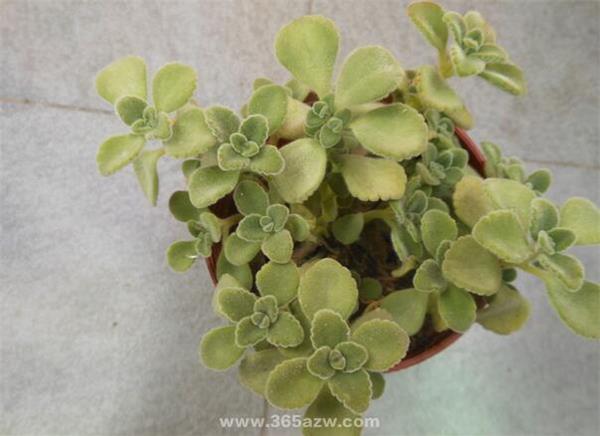
The reason the Cuban oregano releases its fragrance is similar to the principle behind the sensitive plant (Mimosa pudica) closing up: when its leaves are stimulated by touch, the water inside the cells reacts, causing the turgor pressure of the pulvinus to change. Unlike the sensitive plant, the leaves of the Cuban oregano do not contract under the effect of turgor pressure; instead, the stomata inside used for gas exchange expand, and a volatile substance with an apple-like fragrance diffuses through the stomata into the air. Actually, the Cuban oregano also releases a faint fragrance at ordinary times, but this fragrance is relatively weak and not easy for people to notice. When its leaves are touched, this fragrance becomes stronger, and only then do people feel that it is fragrant as soon as it is touched... So there is no need to worry about the fragrance of the Cuban oregano.
The Cuban oregano's scent is like mint, with a slight apple flavor. It refreshes the mind, clears heat and relieves summer heat, and repels mosquitoes and insects.
Effects: blended into juice with honey and eaten raw, it relieves sore throat; brewed into a tea drink, it can relieve stomach bloating and colds; after being pounded and applied externally, it can reduce inflammation and swelling and also care for the skin.
1. How to grow the Cuban oregano:
The Cuban oregano is very easy to cultivate. This plant is relatively drought-tolerant, so water it sparingly. But it likes an environment with plenty of sunlight. To make it grow more robustly and promote branching, it can be properly pruned and trimmed. In winter the temperature must not be too low, at least 5 degrees; the plant is not tolerant of dampness, and excessive moisture easily leads to root rot. Its propagation methods include sowing, cuttings and division. It is very suitable for potted cultivation, and should be placed in a high position or hung indoors; it can also serve as an ornament for a table or desk.
2. Propagation and cultivation methods for the Cuban oregano
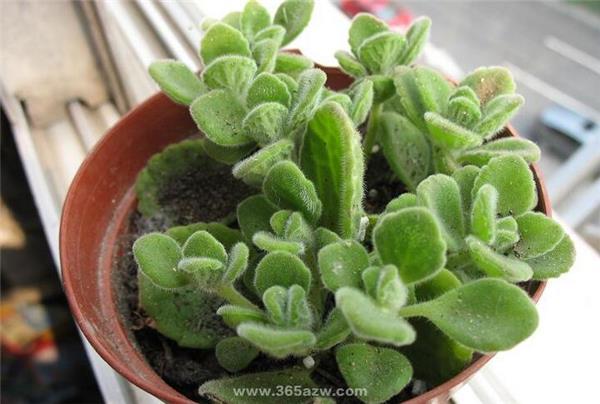
Propagation by cuttings is the simplest method. After the plant is propagated by cuttings, it can take root in about 20 days or so, and once rooted it can be transplanted into a small flower pot. Potted cultivation makes it very easy, with a high survival rate; it is drought-tolerant, so avoid prolonged waterlogging. Plenty of sunlight. Moderate pruning, and it will grow robustly.
3. Growth habits of the Cuban oregano
It likes sunlight, but is also relatively shade-tolerant. It fears cold and needs to be cultivated in a greenhouse. It is not tolerant of water and dampness. It likes loose, well-drained soil. It likes warmth and is not tolerant of cold. In winter it needs a temperature of 5°C-10°C. It is not tolerant of dampness; excessive moisture easily causes root rot and death.
4. Main uses of the Cuban oregano
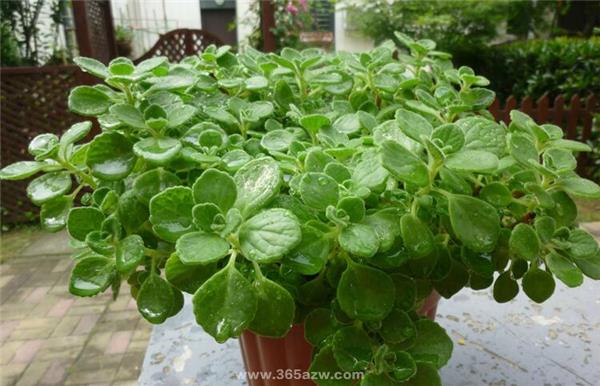
The Cuban oregano gets its name because, when struck or touched by the outside world, it releases an apple-scented fragrance, rich and aromatic, and smelling it makes one feel comfortable, so it is very popular on the market. It is suitable for potted cultivation, and should be placed in a high position or hung indoors; it can also serve as an ornament for a table or desk. The leaves can be brewed in tea or wine, with a wonderfully tempting fragrance. It refreshes the mind, clears heat and relieves summer heat, and repels mosquitoes and insects.
The above is the relevant introduction to whether the Cuban oregano is toxic. I believe that after reading the article everyone has gained a certain understanding.