A Detailed Guide to Growing and Caring for Peperomia
Peperomia is a succulent plant, and growing one is very helpful for regulating the indoor environment. Today we will take a detailed look at the growing methods and precautions for Peperomia.
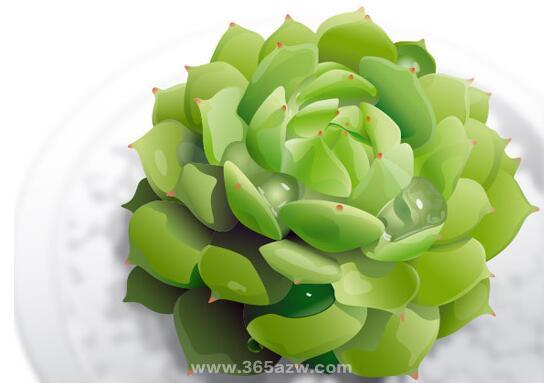
Peperomia is one of the green plants suitable for indoor cultivation. What growing methods and precautions apply to Peperomia, and how do you care for this little gem? These are questions many flower lovers want to know. The growing methods and precautions for Peperomia are similar to those for other green plants. Its leaves are emerald green and glossy, its plant form is attractive, and it is fairly shade-tolerant, small and lovely. Placed in front of a window, on a desk, or on a coffee table, it has a unique elegance.
The Benefits and Effects of Peperomia
Purifying Effect
Peperomia has a certain purifying effect on formaldehyde, xylene, and secondhand smoke, and is the best plant for radiation protection. Many people in the industry say that as long as a plant is a succulent, it can protect against radiation; in plain terms, plants with thicker leaves generally have this function. But as for whether it actually protects against radiation, no one can prove it; everyone just holds the attitude of believing it is better to be safe than sorry. At least the green of Peperomia can be pleasing to the eye and reduce eye fatigue, and that is certain.
Ornamental Effect
Peperomia has thick, emerald-green leaves and an attractive plant form, giving people a sense of delicate charm. It is suitable for growing in small pots and is an ideal foliage plant for beautifying homes and offices, often used to decorate windowsills, desks, coffee tables, and other places. It can also grow in shaded areas under trees and shrubs, so it is an excellent groundcover and rock garden ornamental plant. If it is displayed together with gorgeous fragrant flowers such as narcissus, violets, and cyclamen, it is very fragrant and elegant.
The Benefits of Peperomia
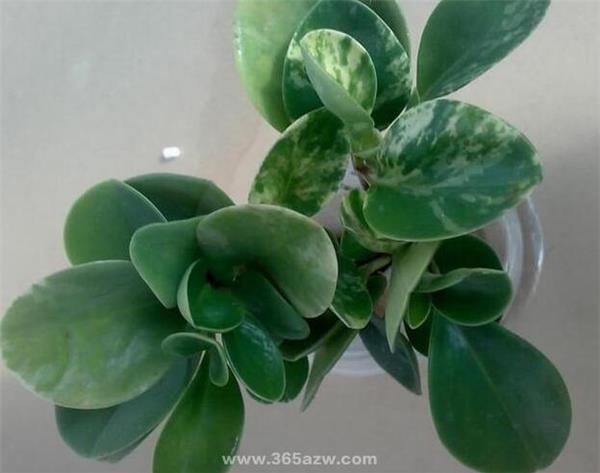
Besides its ornamental value, the whole plant of Peperomia can also be used as medicine. It has the effects of dispelling wind and dampness, relieving cough and phlegm, and promoting blood circulation and relieving pain. It is suitable for rheumatic muscle and bone pain, pulmonary tuberculosis, bronchitis, asthma, whooping cough, pulmonary abscess, infantile malnutrition, and dysmenorrhea; for external use, it treats bruises and fractures.
Growing Methods and Precautions for Peperomia
Soil: It prefers loose, fertile, well-drained sandy soil rich in humus, and grows poorly in clay soil. Generally, the substrate can be prepared by mixing leaf mold + river sand + a small amount of decomposed organic fertilizer; if conditions permit, a mix of peat soil and perlite can be used for cultivation.
Light: It prefers semi-shade or scattered light. Apart from needing sufficient light in winter, it needs a little shading in other seasons, and especially more shading in summer. If placed in a shaded environment, it tends to grow leggy, with increased spacing between branches, reducing its ornamental value, so this is not advisable. Under semi-shade conditions, the leaf color is brighter and the gloss is better, especially for variegated varieties, which have a slightly higher demand for sunlight.
Temperature: It prefers a warm environment. The suitable growing temperature is between 20-30°C, and the overwintering temperature is best kept above 10°C. Below 10°C it stops growing, and below 5°C it is prone to frost damage.
Humidity: It prefers a moist growing environment. Under high-humidity conditions it grows luxuriantly and its leaf color is vivid. When the temperature is high or the air is dry, misting the leaves should be increased or water should be sprinkled in the growing environment to maintain relatively high air humidity, which is extremely beneficial to plant growth. It can also adapt to short periods of dry conditions, but not for long; generally, humidity should be kept at around 70%.
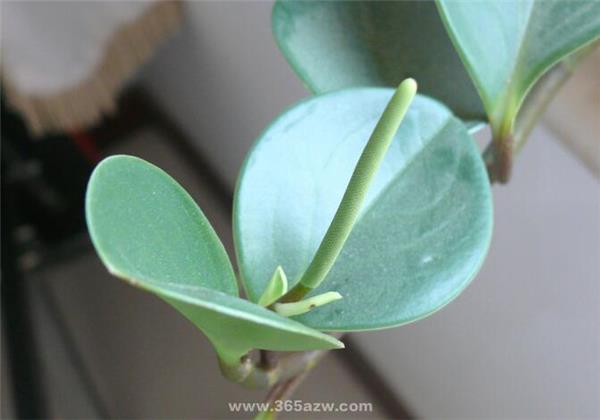
Watering: It relatively prefers water and is not tolerant of drought. During the growing period, water frequently. When the temperature is above 25°C or the air is dry, water a bit more, but also prevent waterlogging. When the temperature is below 25°C, water thoroughly only after the surface of the potting soil has dried. When the temperature is below 10°C, it can tolerate several days of drying without watering.
Fertilizing: When the temperature is above 18°C, a small amount of fertilizer is needed. When the temperature is below 18°C or above 30°C, it is best to apply little or no fertilizer. Fertilizing is best done in small amounts and multiple times, and watering with diluted fertilizer solution instead of plain water is best. It is not tolerant of raw fertilizer or concentrated fertilizer, which easily causes fertilizer burn. Fertilizer solution can also be sprayed on the leaves, with good results. The fertilizer should be mainly nitrogen fertilizer and potassium fertilizer, with phosphorus fertilizer secondary.
Pruning and Propagation: For newly propagated young seedlings, once the seedling height is about 10 cm, pinch off the growing tips to increase the number of branches; this makes the plant form fuller and increases its ornamental value. Pruning of large plants is generally determined by their growth condition; cutting back leggy branches can provide cuttings, which root easily and can be inserted into clean river sand or vermiculite, or directly inserted into sandy soil. Propagation can also be done by leaf cuttings and division. Generally, the environmental temperature required for propagation is between 20-25°C. For leaf cuttings, a leaf with a petiole is needed, inserted upright or slightly tilted into river sand, with the insertion depth being 1/4-1/3 of the petiole. Keep the substrate moist and the air humidity relatively high.
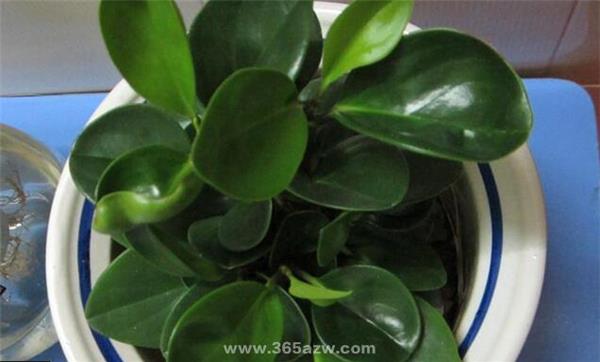
The above is an introduction to the growing methods and precautions for Peperomia. We hope you enjoy today's article.
The above is an introduction to the growing methods and precautions for Peperomia. We hope you enjoy today's article.