What are the benefits and effects of tea pollen? A detailed explanation
Tea pollen has many health benefits for the human body. Next, let us look at what the benefits and effects of tea pollen are.
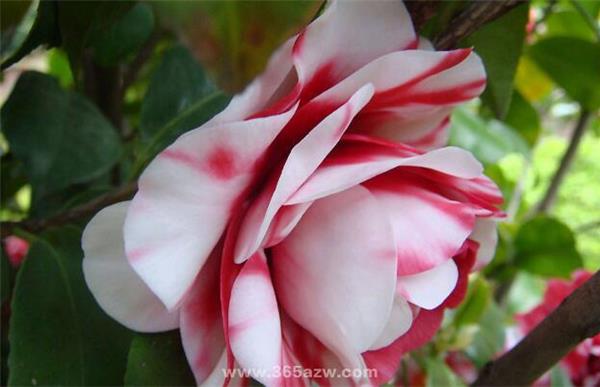
Benefits and effects of tea pollen:
Benefit and effect 1: Enhances human immune function. Pollen is rich in protein, amino acids, carbohydrates and plant fats needed to make new cells, and can promptly replenish the large number of cells consumed by mental work, physical labor and exercise.
Benefit and effect 2: Protects the heart. Lowers blood pressure. The selenium, active enzymes, biotin (VH), copper, magnesium, iron, zinc, titanium, calcium and so on in pollen can strengthen the cells'
Benefit and effect 3: Weight loss. Detoxification ability, phagocytic ability and coordination ability, strengthening the body's resistance to harmful substances. Pollen is rich in natural vitamins, minerals and nucleic acids, which can promote the metabolism of fat in the human body and convert it into energy for release, making it a balancing agent for the human body.
Benefit and effect 4: Detoxification function. The abundant nucleic acids in pollen can strengthen liver function and increase its ability to produce nucleic acids, while amino acids [2] can enhance the detoxification ability of liver cells.
Benefit and effect 5: Regulates the endocrine system and improves menopausal symptoms. Research shows that when women reach menopause, due to disordered ovarian hormone secretion, they are prone to symptoms such as irritability, short temper, vomiting, fatigue and excessive sweating.
Benefit and effect 6: Enhances memory, improves intelligence and improves sleep quality. The various unsaturated fatty acids, phosphorus and active substances in pollen nourish and improve the nervous system. They enhance memory, effectively prevent the decline of brain cell function, and effectively improve symptoms such as insomnia, forgetfulness, headache and nervousness.
Benefit and effect 7: Relieves fatigue and replenishes physical strength. Pollen is rich in protein, amino acids, carbohydrates and plant fats needed to make new cells, and can promptly replenish the large amount of energy consumed by mental work, physical labor and exercise.
Benefit and effect 8: Beauty care. Applied externally, pollen can help middle-aged women eliminate 70% of fine wrinkles, 50% of age spots, 30% of freckles and 50% of pustules. After applying it to the face 3 times, wrinkles become shallower and the skin looks delicate; after 10 applications, the skin becomes rosy and spots can be noticeably reduced. It is an excellent beauty product.
How to consume tea pollen:
Consumption method 1: It can be swallowed directly with warm boiled water.
Consumption method 2: If you find the taste unpleasant, you can add honey or milk to the pollen, mix it, and take it with warm boiled water.
Consumption method 3: You can also chew it carefully in your mouth, then rinse your mouth with water.
Consumption method 4: You can also grind bee pollen into fine powder, and when using it, take the measured amount with warm boiled water or together with honey water; satisfactory results can be achieved either way.
Consumption method 5: It is generally best taken on an empty stomach in the morning and evening. If your stomach feels uncomfortable after taking bee pollen before meals, you can instead take it within half an hour after meals. For direct consumption, simply take it with warm boiled water in the morning and evening.
Side effects of tea pollen
Side effects of tea pollen: The side effects of tea pollen are mainly seen when you first start taking pollen, when detoxification reactions may occur, such as dry mouth and tongue, drowsiness and lethargy, increased urination with yellow urine, red rashes and itching on the skin, and the recurrence of previous pains. Experts advise that if the above symptoms occur, there is no need to panic; drink as much water as possible, and they will disappear naturally after 3-5 days, with the body condition clearly improved compared with before taking it.
The side effects of tea pollen are also reflected in the allergic effects of pollen, and drinking it will have adverse effects on people with allergies. Therefore, people allergic to pollen should use it with caution.
Which is better, lotus pollen or tea pollen?
1. Lotus pollen carries on the essence of the lotus and has outstanding medicinal effects. Its nutritional value is not very different from that of tea pollen, but its health benefits differ greatly, because lotus pollen contains many traditional Chinese medicine ingredients such as lotus stamens. It is a health food that can treat constipation, thirst, restlessness with deficiency heat and many other symptoms. In addition, lotus pollen has relieving effects on symptoms such as vomiting blood, abnormal uterine bleeding and chest tightness with irritability, and these effects are not found in tea pollen.
2. Tea pollen is the essence of the flowers of the tea plant and also has its own unique health benefits. This pollen has an obvious protective effect on human blood vessels, can increase vascular elasticity, reduce platelet aggregation, and prevent stroke and blood clots. It also has an obvious preventive effect on arteriosclerosis. In addition, tea pollen also has diuretic and detoxifying effects, and has an obvious therapeutic effect on male prostate diseases. These are the differences between it and lotus pollen. Therefore, lotus pollen and tea pollen each have their own strengths, and it is hard to say which is better. It is best to choose and consume the pollen most suitable for you according to your own body's needs.
The above is a related introduction to what the benefits and effects of tea pollen are. I hope everyone will enjoy today's article.
The above is a related introduction to what the benefits and effects of tea pollen are. I hope everyone will enjoy today's article.