Agave growing methods and precautions
Agave is a large perennial evergreen herbaceous plant. What are the key points to watch out for when growing agave? Let's take a look together.
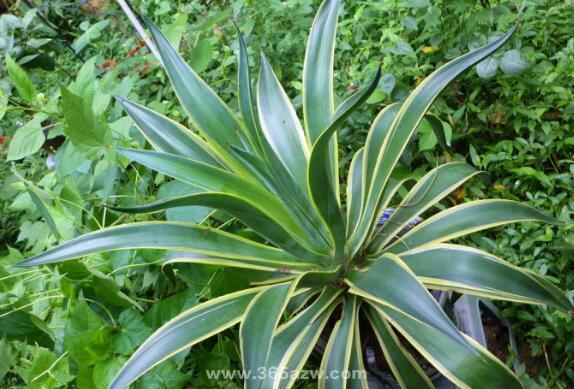
Agave is commonly propagated by division and by seed. For division, do it in early spring in April when repotting: lift the mother plant out and peel off the offsets (suckers) beside it to plant separately. For seed propagation, seeds can only be set through cross-pollination; after collecting the seeds, sow them in April to May, and they germinate in about 2 weeks. The seedlings grow slowly, then grow rapidly once established, and only plants over 10 years old can flower and set seed.
Precautions for growing agave
1. Fertilize agave once a month during the growing season. In summer, increase watering to keep the leaves green, soft and tender. For agaves with white or yellow margins, provide a little shade when the sun is harsh.
2. Agave often suffers from leaf spot, anthracnose and gray mold, which can be treated by applying Dakening or Pikangwang ointment, with excellent results. When mealybugs are a problem, a small number can be brushed off by hand; in severe cases, spray with 200-300 times diluted dishwashing liquid or 600-800 times diluted essential balm liquid.
Tip: Because agave leaves spread out and have sharp spines at the tips, when placed indoors it should not be put in areas where family members move around frequently, such as corridors or stairway entrances. In households with children, it is advisable to place it where children cannot reach it; for safety, the sharp spines at the leaf tips can also be cut off. The sap of agave is toxic: after people with sensitive skin come into contact with the sap, it causes burning pain, itching, red rashes, and even blisters; it also has a considerably toxic effect on the eyes. Be sure to pay attention to this when growing agave: wear gloves when transplanting and propagating, and keep a close watch on children in households that have them.
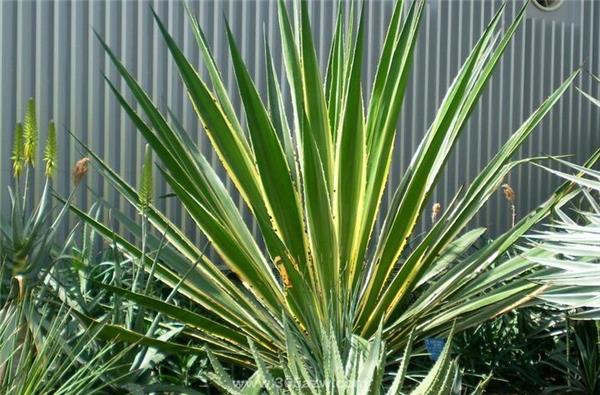
Key growing tips and techniques for agave
1. Soil: Agave is not very demanding about soil, but a loose, fertile loam with good drainage is best; for potted plants, a mix of leaf mold and coarse sand is usually used.
2. Watering: Agave is very robust by nature and not fussy about water, but during its growing period it must be given plenty of water to grow well. In addition, during the winter dormant period, agave should not be watered too much, otherwise the roots are prone to rot.
3. Sunlight: Agave prefers light and should often be placed outside to receive sunlight, but variegated varieties need appropriate shade in summer to keep their colors fresh and tender. In winter, if the light in its location is dim, keep it at low temperature, do not water, and keep it dry, otherwise it will rot. In spring, restore light immediately.
4. Temperature: The suitable growing temperature for agave is 15-25°C, and it grows best at 10-16°C at night. Cool, dry conditions in winter are most favorable for its growth, and the overwintering temperature should be kept above 5°C.
5. Fertilizing: Agave has a very strong ability to adapt to the environment; even growing in fairly poor soil, it will not affect the plant's development. However, fertile soil will still make agave grow better. Fertilizing once a year is appropriate; do not spray fertilizer frequently, otherwise fertilizer damage is likely.
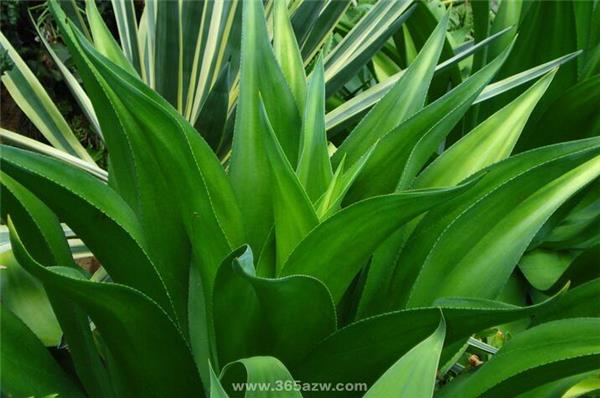
6. Pests: Agave often suffers from leaf spot, anthracnose and gray mold, which can be sprayed with 1000 times diluted 50% Tuzet wettable powder. When mealybugs are a problem, spray with 1000 times diluted 80% dichlorvos emulsifiable concentrate to kill them.
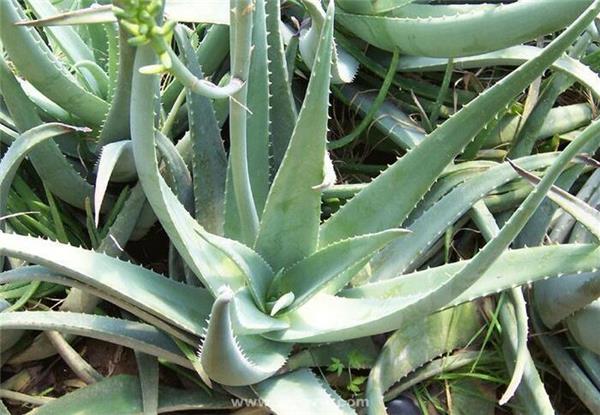
That is the summary of agave growing methods. We hope you enjoy today's article recommendation.