How to Grow Aloe Vera? Detailed Guide to Cultivation Methods and Precautions
Aloe vera is a very easy plant to grow. What are the cultivation methods and precautions for aloe vera? Let's take a look together below.
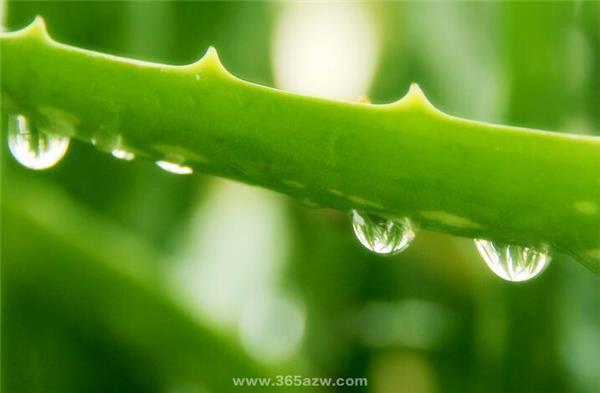
There are at least 300 or more varieties of aloe vera, of which the African continent alone has about 250 species, Madagascar has about 40 species, and the remaining 10 species are distributed in Arabia and other places. The properties and shapes of different aloe varieties vary greatly. Some are like giant trees, reaching about 20 m in height, while others are less than 10 cm tall. The shapes of their leaves and flowers also come in many forms, each with its own characteristics in cultivation, presenting a great diversity of appearances that people deeply love. Aloe vera is originally a tropical plant and is naturally afraid of cold, but it is also easy to keep alive.
Aloe vera is the easiest plant to grow. When it dries out, just water it a little. This is a plant for lazy growers. Aloe vera has extremely strong vitality and is exceptionally easy to grow. Its growth characteristics are that it likes sunlight but fears scorching sun; it likes moisture but avoids waterlogging; it tolerates high temperatures but fears severe cold.
The benefits of aloe vera:
Aloe vera is excellent at absorbing formaldehyde, and it also has strong medicinal value, such as antibacterial and beauty benefits. Quite a few potted aloe varieties have now been developed, with strong ornamental value, and can be used to decorate living spaces. Aloe vera likes sunlight and is better placed in a bright location so that it can exert its greatest effect. According to tests, one pot of aloe vera can absorb about 90% of the formaldehyde in one cubic meter of air.
Precautions for Growing Aloe Vera
(1) Aloe vera grows relatively quickly, so it should be repotted once every spring when it is moved outdoors. The potting soil can use a cultivation soil mixed from 3 parts leaf mold, 1 part garden soil, 3 parts river sand, or 3 parts leaf mold, 2 parts garden soil, 3 parts river sand, and 2 parts perlite, and a small amount of fully decomposed organic fertilizer such as chicken manure, bone meal, or oil residue should be applied as a base fertilizer.
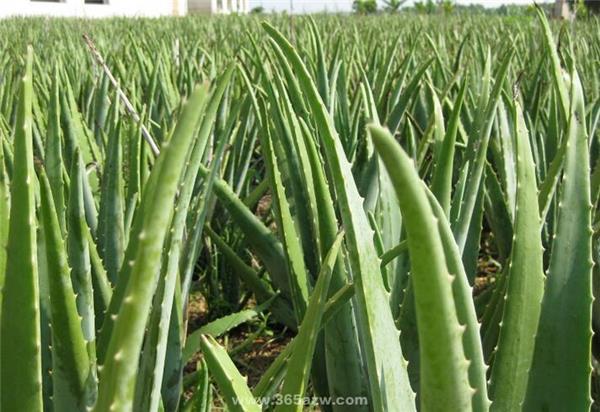
(2) If the cultivation soil is changed once a year and nutrients are sufficient, no topdressing or only a small amount of topdressing may be applied during the growing period. Growth is fastest in summer and autumn, so a thin liquid fertilizer can be applied once every 15 to 20 days. For example, apply 10% to 15% fully fermented and decomposed cake fertilizer water, or 0.1% urea fertilizer water plus 0.1% potassium dihydrogen phosphate fertilizer water, etc. No fertilizer is needed in winter and spring.
(3) Summer is the peak growing season for aloe vera, so attention should be paid to the supply of water and fertilizer. When sunlight is strong, midday light should be appropriately shaded. Aloe vera should not be grown together with moisture-loving plants. When it blooms, just do not let the soil become excessively dry.
(4) In autumn, ensure sufficient light and water appropriately. Aloe vera is not cold-tolerant. After the temperature drops, it should be moved promptly into a closed balcony or room with light, and attention should be paid to controlling water so that the potting soil stays dry but not parched.
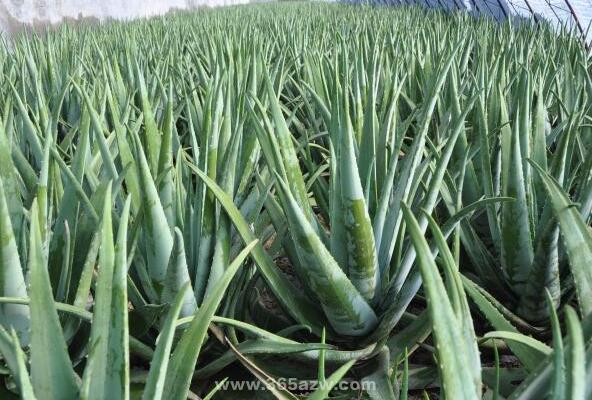
(5) Aloe vera needs sufficient sunlight to grow. It should be noted that newly planted aloe vera is not suitable for sun exposure. It is best to let it see sunlight only in the morning, and after 10 days gradually increase the light. For household potting, placing it on a balcony or outdoor windowsill in spring and autumn to receive direct sunlight will make it grow robustly; in summer, move it to a well-ventilated semi-shaded place; in winter, place it indoors in a spot with ample light, and it is best if the room temperature is not lower than 10°C.
(6) Aloe vera requires sufficient sunlight throughout the year. In spring, it is best to move it outdoors, place it on a south-facing balcony, or put it on a south-facing windowsill, but avoid rain. Although aloe vera does not like excessive moisture, during the growing period, especially under strong light, it needs sufficient water. If you want to encourage the plant to spread out in all directions, you can evenly cut away some of the leaves that are too densely grown in the center. Doing so will also prevent the plant from developing mold and rot under strong light due to excessive leaf density.
The above is a related introduction to the cultivation methods and precautions for aloe vera. We hope you enjoy today's article.