What are the effects and benefits of aloe? A comprehensive guide in one article
Aloe is a very good cosmetic product. Next, let us introduce what other effects and benefits aloe has.
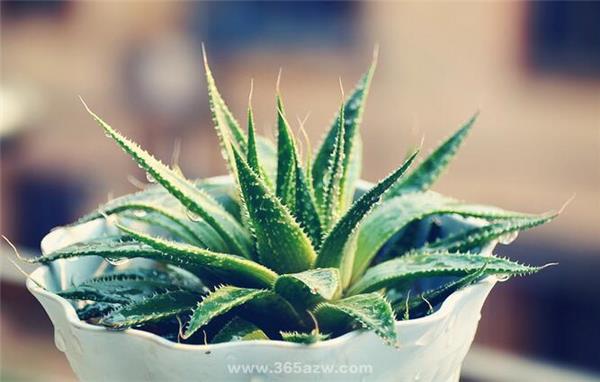
Basic introduction to aloe
Aloe is the common name for the genus Aloe, native to the Mediterranean and Africa. It is a perennial herbaceous plant of the family Asphodelaceae. In Chinese, the character "lu" in aloe means black, while "hui" means to gather. The sap dripping from a cut aloe leaf is yellowish-brown, and upon exposure to air it oxidizes and turns black, then congeals into one mass, hence the name aloe. Aloe is an evergreen, succulent herbaceous plant. The leaves are clustered, arranged in a rosette or growing at the top of the stem; the leaves are often lanceolate or short and broad, with sharp tooth-like spines along the edges. The inflorescence is umbellate, racemose, spicate, paniculate, etc., colored red, yellow, or with reddish spots, with six petals and six pistils. The base of the perianth is mostly fused into a tube.
According to textual research, there are more than 300 species of wild aloe, mainly distributed in Africa and other places. The properties and shapes of aloe varieties differ greatly; some resemble huge trees, reaching about 20 m in height, while others are less than 10 cm tall. The shapes of their leaves and flowers also vary widely, and each has its own characteristics in cultivation, presenting a thousand forms. Because it is easy to grow and is an ornamental plant with both attractive flowers and foliage, it is quite popular with the public. Only six varieties are edible, and among them the aloe varieties with medicinal value mainly include: Aloe vera (also known as Barbados aloe or Curacao aloe), Aloe vera (distributed in northern Africa and the West Indies), Aloe ferox (distributed in southern Africa), Yuanjiang aloe, etc.

Effects of aloe
1. Comprehensively regulate human immunity (that is, resistance), so that some chronic ☆forbidden☆ diseases heal on their own without treatment.
2. Promote cell regeneration, helping injured and hardened human tissues recover to health.
3. Promote blood circulation and remove toxins from the body.
4. Aloe is called a treasury of vitamins, amino acids and minerals, and can supplement these substances needed by the human body.
Benefits of aloe
1. Detoxification and anti-inflammation. Aloe contains phenols, aloin, aloe tincture, organic acids and other components, which have a certain killing effect on some bacteria and viruses and a certain therapeutic effect on some respiratory and digestive tract inflammations. However, for some diseases, aloe must be used according to syndrome differentiation, and it should not be used blindly to avoid causing harm.
2. Strengthening the stomach and relieving constipation. Aloe can enhance gastrointestinal function, increase appetite and strengthen the constitution. Aloe can also purge and relieve constipation. Aloin can increase the secretion of digestive juices and promote intestinal peristalsis; generally, a bowel movement can occur 8-12 hours after taking it.
3. Supporting healthy qi and dispelling pathogenic factors. The mucopolysaccharides in aloe can effectively support healthy qi and dispel pathogenic factors, improve the body's immunity and enhance human immune function. For diseases such as tumors, high blood lipids, diabetes, hepatitis B, nephritis and lupus erythematosus, eating an appropriate amount of aloe is greatly beneficial. Aloe can also resist aging, resist allergies, strengthen the heart and promote urination, which is beneficial to the health of the elderly.

4. Beauty and skin care. Aloe has a good nourishing, moisturizing and whitening effect on human skin; the gelatinous substance contained in aloe can make skin and muscle cells contract, protect moisture, restore elasticity and eliminate wrinkles. Aloe can treat facial acne and pimples, with obvious effects whether taken internally or applied externally.
5. Purifying the air. Aloe can purify harmful gases in the air such as formaldehyde, sulfur dioxide and carbon monoxide, and increase the concentration of negative ions in the air. At the same time, aloe also has an inhibitory effect on harmful microorganisms in the air and can adsorb dust.
Method for steeping fresh aloe in water
Ingredients for aloe flower tea: 1 segment of aloe 20 cm long. A little chrysanthemum. 1 flower tea bag. 1 large spoon of honey.
Aloe, the benefits of steeping aloe in water to drink, the benefits of steeping in water to drink
Brewing method for aloe flower tea:
1. Peel the aloe and take only the inner white flesh.
2. Put the aloe and chrysanthemum into water and simmer over low heat.
3. After the water boils, add the flower tea bag and honey.
Method for steeping dried aloe in water
Brew one teaspoon of dried aloe tea with a cup of boiling hot water, cover and steep for about ten minutes, then it is ready; brown sugar or honey may be added to taste.

The above is the relevant introduction to the effects and benefits of aloe. We hope you will enjoy today's article.