How to grow carnations? A detailed guide to carnation cultivation methods
Carnations have high ornamental value and beneficial properties of their own. Today we recommend how to grow carnations for everyone; friends who like carnations can try growing them themselves.
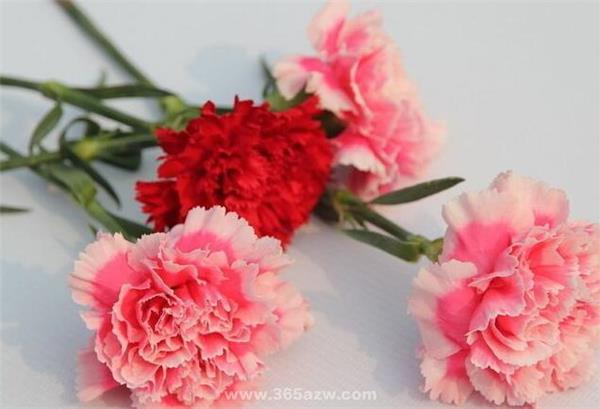
Carnation benefits and effects:
1. Carnations have the effects of beautifying the face, whitening the skin, and removing spots and wrinkles, and can be used to regulate female endocrine disorders.
2. Carnations contain various trace elements needed by the human body, can improve blood circulation, promote the body's metabolism, and have the effects of strengthening the kidneys and enriching essence, and treating consumptive disease, cough, and excessive thirst.
3. Carnations have the effects of clearing the heart and removing dryness, and reducing inflammation and irritability. They have a clear effect on treating headaches and toothaches.
4. Carnations can calm the nerves and quench thirst, promote fluid production and moisten the throat, strengthen the stomach and reduce food stagnation, regulate blood lipids, and aid weight loss.
Precautions for carnations: Please place them in a cool, dry indoor place, and avoid children taking them on their own.
When brewing carnations, suitable pairings are: forget-me-not, violet, rose king, peony flower, wintersweet flower.
Introduction to the brewing and drinking method of carnations: take 3-4 carnation flowers and brew them in boiling water for three minutes.
How to grow carnations? Methods and steps for growing carnations:
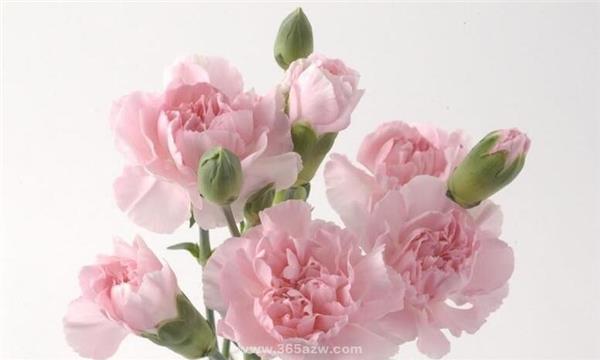
1. Soil: Carnation cultivation requires soil with good drainage, rich humus, good fertilizer retention, and a slightly alkaline clayey texture.
2. Watering: Carnations grow vigorously and have relatively strong drought tolerance. In rainy and overly wet areas, the soil tends to become compacted, and the root system develops abnormally due to poor ventilation, so during the rainy season attention should be paid to loosening the soil and draining water. During periods of vigorous growth, water promptly and water more; at ordinary times, watering to keep the soil moist is sufficient. Before flowering, water should be sprayed to adjust humidity.
3. Fertilizing: Carnations like fertilizer. Before planting, apply a sufficient amount of baked fertilizer and bone meal. During the growing period, liquid fertilizer should also be continuously applied as a top dressing. Generally, apply a diluted, fully decomposed fertilizer solution once every 10 days or so, and apply one top dressing after flower harvesting.
4. Other: Carnation flowers are very beautiful and also the most valuable. How do you get carnations to bloom? This needs to start from the seedling stage, mainly through pinching, that is, removing branches. When the seedlings grow 8 to 9 pairs of leaves, carry out the first pinching, keeping 4--6 pairs of leaves; when the side branches grow more than 4 pairs of leaves,
carry out the second pinching, keeping 3--4 pairs of leaves per side branch, and finally making the whole plant have 12--15 side branches. When buds are forming, keep only one flower bud at the top of each side branch, and promptly remove all small flower buds and side branches sprouting from the leaf axils below the top. After the first flowering, promptly cut off the flower stems, keeping only two buds at the base of each branch. Through repeated pinching in this way, the plant shape can be made graceful, with abundant flowers and bright colors.
An important characteristic of carnations is that they love strong light, but not scorching sun. Whether grown indoors in pots or in a greenhouse, they need sufficient light. Placing them in a sunny position is greatly beneficial to the growth of carnations.

Propagation methods for carnation cultivation
Carnations can be propagated by cuttings, sowing, tissue culture, and other methods. Conventional propagation is generally mainly by cuttings.
Cutting propagation is mostly carried out in spring; apart from midsummer, it can also be done at other times. The cutting bed medium can be perlite plus peat or charred chaff. For cuttings, it is best to choose robust side branches from the middle of the plant, with short internodes. When taking cuttings, hold the branch with your hand and pull it downward so that the base of the cutting carries a piece of the main stem cortex, which makes it easier to survive. After collection, cuttings should be inserted immediately; do not let the branches and leaves wilt, otherwise the survival rate will be greatly reduced; or before inserting, soak the cuttings in water so that the cuttings absorb enough water and the growing points become firm before inserting. To improve the survival rate of cuttings, treat the cuttings with naphthaleneacetic acid or indolebutyric acid at a concentration of 10-100 mg/kg. After insertion, shade them and spray water frequently. At 13-15°C, they root in about 20 days.
Sowing propagation is mainly used for hybrid breeding, or for producing potted flowers with first-generation hybrid seeds. The suitable temperature for sowing is 18-20°C; they germinate in about 1 week and become seedlings in 2-3 months.
Tissue culture propagation is an important means of producing virus-free seedlings and is widely used in cut flower production. Generally, shoot tips are used for virus elimination culture, and then mass propagation is carried out.
The above is the relevant introduction on how to grow carnations. We hope everyone will enjoy today's article.