When Do Roses Bloom? They Only Bloom When Conditions Are Met
Like other flowers, roses have a corresponding blooming period, and they only bloom during that specified period; outside the blooming season, they have no flower buds. To admire the beautiful form of roses, you must catch them during their blooming period. So, when do roses bloom?
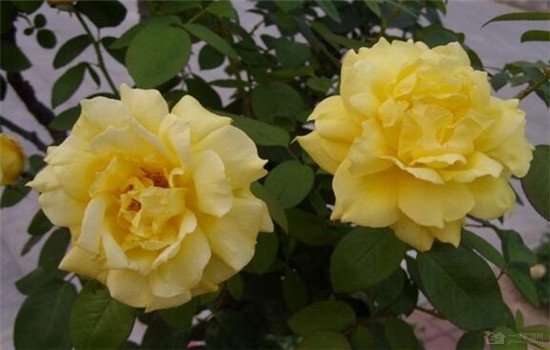
Roses are also known as "monthly red," with a natural blooming period from May to November, flowering continuously. However, controlling the blooming period of roses is still very important, especially for potted roses and cut-flower roses, where the blooming period must be well controlled to fully accomplish the temporary flower display tasks at various venues and stadiums during the Olympics and the fresh cut flower supply tasks.
In practical work, specific situations should be analyzed specifically. For field-grown roses, according to their geographical location, while ensuring continuous blooming, they should be made to bloom more and bloom well from August 8 to 24. The following methods are for reference: around June 20, prune all spent flowers and part of the already fully bloomed flower branches of field-grown roses at a 50% ratio, cutting to the round bud position at the mature middle part of the flower branch; their blooming ornamental period is about August 1 to 15; around June 30, prune all spent flowers and all flower branches after full bloom using the above method; their blooming ornamental period is about August 10 to 25; after June 30, prune spent flowers at any time to let them bloom naturally. For potted roses and cut-flower roses, calculate the date of flower use well, and about 45 days before flower use, carry out comprehensive branch pruning.
Fertilizer and water management: In the above various pruning situations, scientific fertilizer and water management should be carried out in combination with plant growth conditions. After the plant is pruned, when the new generation of buds does not sprout, spray 0.2% urea on the leaves once every 5 or 6 days, which can promote new bud sprouting; if the plant grows quickly and new branches grow rapidly, exceeding the planned range, controlling water supply can delay growth. During water control, after the branches and leaves wilt, spray water in time, and recovery within 1 hour is the critical threshold. Water is the carrier of various enzymes in the plant body; if water supply is insufficient, enzyme activity decreases, metabolism slows down, and thus plant growth slows down. If new branches bud later than planned, at this time spray 0.2% monopotassium phosphate on the leaves once every 5 or 6 days, and the flower buds will grow rapidly. The blooming period of roses consumes a large amount of water and internal nutrients, so the water supply must be sufficient.
When do roses bloom? The blooming period of roses is relatively long. To ensure that roses can bloom normally during their blooming period, they must be well managed in daily life; only when the corresponding conditions are met can they produce bright and beautiful flowers.