Is oleander poisonous? A detailed guide to growing precautions
Oleander is often portrayed in period court dramas as an abortion poison, so is oleander actually poisonous?
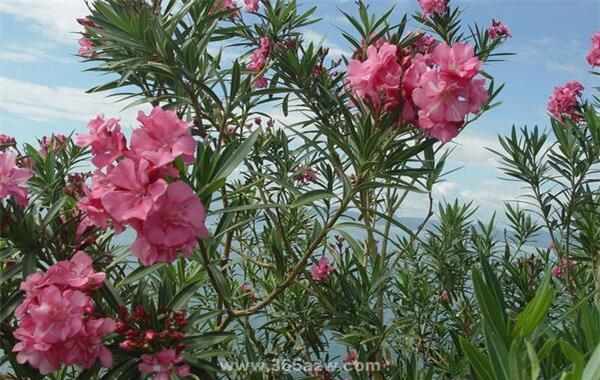
Oleander has an extremely strong ability to resist smoke, dust and toxic substances and to purify the air. In particular, it has strong resistance to toxic gases such as sulfur dioxide and chlorine, and also has a strong adsorption capacity for dust and soot, earning it the reputation of an environmental guardian. Moreover, oleander is extremely ornamental: its leaves resemble willow and bamboo, its flowers are mostly fragrant, the flower colors are brilliant, and the flowering period lasts as long as half a year.
Oleander
Also known as Bi Tao, Baiyang Tao, Jiujie Zhong, Liuye Tao and so on. It belongs to the Apocynaceae family and is an evergreen shrub or small tree. Its leaves resemble bamboo and its flowers resemble peach blossoms, hence the name oleander. The entire plant and its sap are toxic, and because of its severe toxicity it often causes poisoning in humans and livestock.
Symptoms of poisoning
Oleander poisoning mainly presents as digitalis poisoning symptoms, which may include nausea, vomiting, abdominal pain, diarrhea, slow heartbeat or tachycardia, arrhythmia, and may be accompanied by fever, difficulty breathing, cyanosis, blurred vision, red rash around the mouth, and finally syncope, convulsions, coma and ectopic heart rhythm; an electrocardiogram may show bradycardia, conduction block and various other types of arrhythmia, with death often resulting from ventricular fibrillation and circulatory failure.
Can a family with a pregnant woman keep oleander?
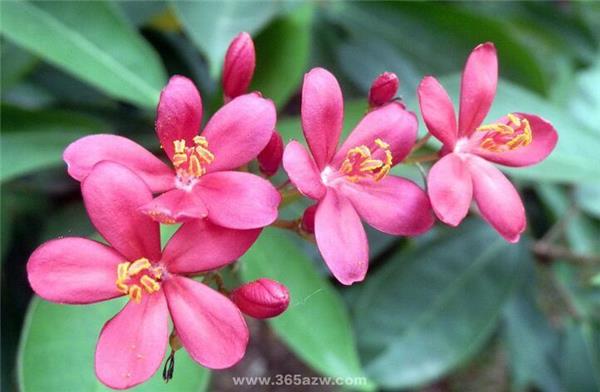
No, it cannot be kept.
Oleander is an evergreen plant of the Apocynaceae family. Its long, narrow leaves that closely resemble bamboo leaves have an elegant bearing! Its bright red flowers, as pretty as peach blossoms, cluster on the branches and are dazzling. It loves sunlight, prefers warmth and seeks moisture. It is easy to propagate and has few pests and diseases. What is especially valuable is that its terminal inflorescences bloom in succession, providing viewing enjoyment from early summer to late autumn for as long as half a year. Yet this highly ornamental oleander is toxic, so households with a pregnant woman must absolutely not keep it. The reasons are as follows:
1. Poisoning caused by accidentally eating oleander leaves or stems. Oleander leaves are used clinically as a cardiotonic to treat heart disease. It is also an abortifacient: using its leaves as a decoction and giving it to a pregnant woman to drink can cause strong uterine contractions, is harmful to the fetus and can trigger miscarriage. One of the ancient solutions for artificial abortion was to use oleander. However, this method easily goes wrong, because the dosage is difficult to control, and once overdosed it will affect the heart and cause respiratory paralysis, killing the person.
2. Oleander contains poison, so it is not easy for pregnant women to come into contact with it. Oleander flowers are bright and it is extremely easy to cultivate. However, its leaves, bark, flowers and fruit all contain a highly toxic substance called oleandrin. Contact by pregnant women can cause poisoning, making people drowsy and lowering intelligence, and eating it can cause nausea and blurred vision. It can also have adverse effects on the fetus.
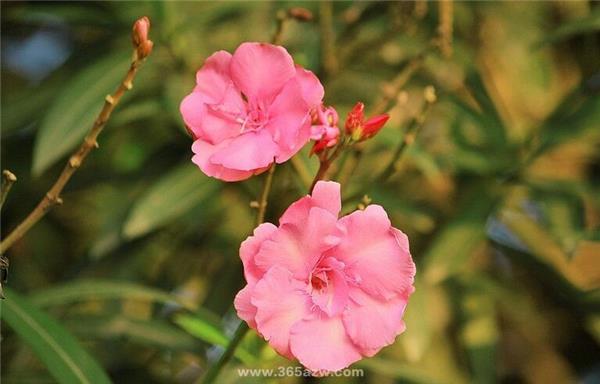
Tips on growing oleander:
Oleander has strong adaptability and is relatively easy to cultivate and manage; whether planted in the ground or in pots, it is fairly undemanding. In places where it is planted in the ground, transplanting should be done in spring, and heavy pruning should be carried out when transplanting. Pay attention to protection in winter. The branches and leaves are easily harmed by scale insects, so attention should be paid to prevention and control.
For potted oleander, in addition to requiring good drainage, sufficient fertility is also needed. In spring, shaping and pruning are needed when it sprouts. For leggy branches and weak slender branches on the plant, they can be cut off from the base, and for branches that are too dense inside the plant, part of them should also be thinned out, so that the branches are evenly distributed and the tree shape remains full. After 1 to 2 years, repot once, and repotting should be done after pruning.
Summer is the period of vigorous growth and flowering for oleander, and its water demand is high. In addition to watering once each in the morning and evening every day, if the potting soil is seen to be too dry, an additional spraying of water should be added to prevent young branches from wilting and to avoid affecting the lifespan of the flowers. After September, water should be withheld to inhibit continued growth of the plant, so that the branch tissues mature, nutrient accumulation increases, and safe overwintering is facilitated. The overwintering temperature must be maintained at 8 to 10 degrees; below 0 degrees, it will shed its leaves. Oleander is a fertilizer-loving plant. For potted plants, in addition to applying sufficient base fertilizer, a topdressing of fertilizer should be applied once a month during the growing season.
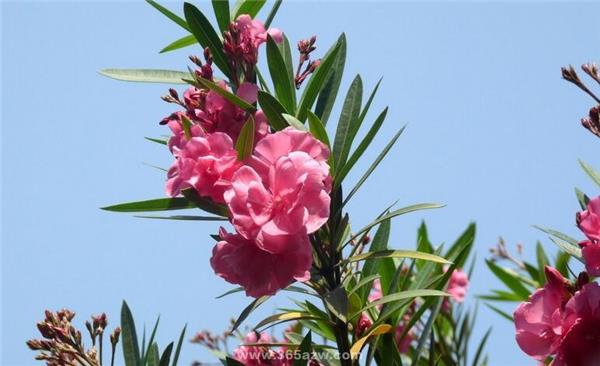
The above is the relevant introduction to whether oleander is poisonous. I hope everyone will enjoy today's article.