What are the benefits and uses of cockscomb? A quick guide
Cockscomb not only has high ornamental value but also high medicinal value. Next, let's take a look at what the benefits and uses of cockscomb are.
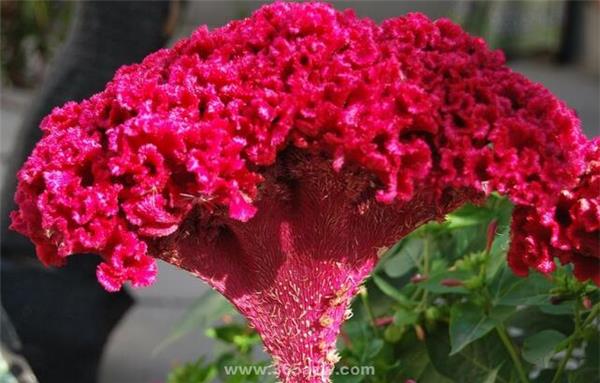
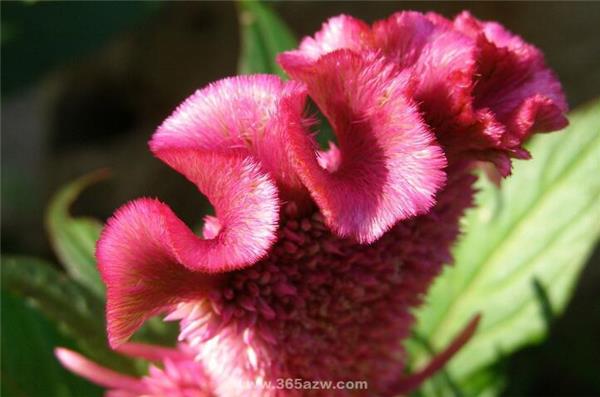
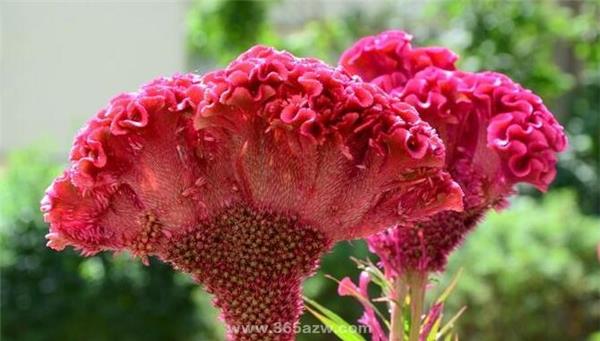
Cockscomb, Chinese aliases: chicken crest flower, laolaihong, reed cockscomb, pen cockscomb, small-head cockscomb, phoenix-tail cockscomb, big rooster flower, chicken-horn root, red cockscomb. An annual herbaceous plant that blooms in summer and autumn. The flowers are mostly red and shaped like a rooster's comb, hence the name cockscomb. Native to Africa, tropical America and India. It likes plenty of sunlight and warm, humid conditions, and cannot tolerate frost. It does not tolerate poor, thin soil and prefers loose, fertile, well-drained soil. It is widely cultivated around the world as an ordinary garden plant. It also has high medicinal value.
Precautions for cockscomb:
1. Precautions for use:
Cockscomb has the effects of astringing and stopping bleeding, stopping vaginal discharge, and stopping diarrhea. Clinically it is generally used for vomiting blood, flooding and spotting, leakage and bloody stool, leukorrhea, and chronic diarrhea that will not stop. It is recommended to visit your local hospital and carefully ask a Chinese medicine physician about the usage and dosage.
2. Precautions for consumption:
1. It is not suitable to drink it mixed with other flower teas.
2. Every medicine has some toxicity. Although cockscomb is good, it should not be taken in excess, so as to avoid adverse symptoms that may instead harm physical and mental health.
Benefits and uses of cockscomb:
Cools the blood; stops bleeding. Mainly for bleeding from hemorrhoids and fistulas; red and white dysentery; vomiting blood; coughing blood; bloody strangury; uterine flooding in women; red and white leukorrhea. Used for vomiting blood, flooding and spotting, bloody stool, hemorrhoidal bleeding, red and white leukorrhea, and chronic diarrhea that will not stop.
① "Diannan Bencao": Stops intestinal-wind bloody stool, uterine flooding and leukorrhea in women, and red dysentery.
② "Gangmu": Treats bleeding from hemorrhoids and fistulas, white dysentery, uterine flooding, and also leukorrhea, used separately for the red and white types.
③ "Yuqiu Yaojie": Clears wind and reduces heat, stops nosebleeds and astringes the nutritive qi. Treats vomiting blood, uterine bleeding, bloody strangury, and various blood-loss syndromes.
Morphological characteristics:
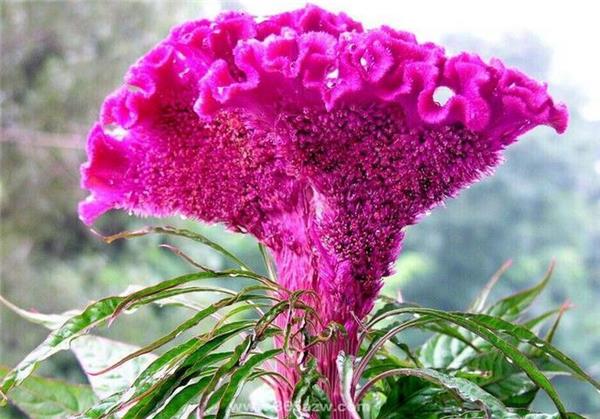
Annual herb, 60-90 cm tall, the whole plant hairless. Stem erect, stout, green or tinged with red. Leaves alternate, ovate or ovate-lanceolate, 5-13 cm long, 2-6 cm wide, tapering at both ends. Inflorescence flat, rooster-comb-shaped, terminal; bracts, bracteoles and tepals purple, red, pale red or yellow, dry and membranous; stamens 5, the lower part of the filaments united into a cup shape; ovary superior, stigma 2-cleft. Utricle ovate, circumscissile. Seeds flat-rounded or slightly kidney-shaped, black, glossy. Flowering period July-October, fruiting period September-November.
Through the above introduction, you can also have a good understanding of the benefits and uses of cockscomb. However, choosing it to treat your own illness cannot be done casually, otherwise it will also cause great harm to your own health. When choosing such a flower, it should also be used according to a doctor's advice, which helps improve the illness while not harming your own health.
The above is the related introduction to the benefits and uses of cockscomb. I hope everyone will enjoy today's article.