Is Mimosa pudica toxic? Can it be kept indoors?
Can the Mimosa pudica plant be kept indoors? Is Mimosa pudica toxic? Today we will explain this for you.

Introduction to the Mimosa pudica plant
The flowers, leaves and seed pods of Mimosa pudica all have good ornamental value, and it is relatively easy to keep alive, making it suitable as a potted flower for balconies and indoors. It is native to the tropical regions of South America, likes warmth and humidity, and grows in open wasteland and among shrubs. It is often cultivated for ornamental purposes in the Yangtze River basin. Mimosa pudica likes a warm, humid environment with plenty of sunlight, and is suited to well-drained sandy loam rich in organic matter. The plant is robust, grows quickly and has strong adaptability.
Mimosa pudica is also a wonderful plant that can forecast changes between sunny and rainy weather. If you touch it with your hand, its leaves close up quickly and open very slowly, this indicates that the weather will turn clear; if when you touch Mimosa pudica its leaves contract slowly and droop slowly, or even close slightly and then reopen, this indicates that the weather will turn from clear to overcast or that it is about to rain. In addition, Mimosa pudica can also predict disastrous weather changes, and will produce growth activity that goes against its normal patterns in response to sudden unseasonal temperature differences, changes in geomagnetism, geoelectricity and so on.
The herb of Mimosa pudica contains a substance called mimosine, and this substance is harmful to the human body to a certain extent. If you come into contact with Mimosa pudica frequently, it will cause numbness and tingling of the eyebrows and yellowing of the hair, or even hair loss. Mimosa pudica generally does not cause toxicity to the human body during the day, but at night, because it cannot carry out photosynthesis, it releases toxic substances. In other words, Mimosa pudica is actually toxic.
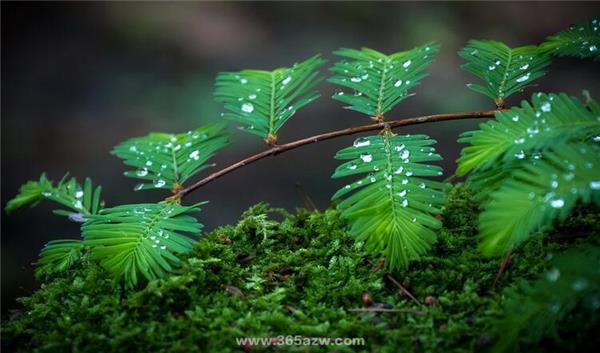
Is Mimosa pudica toxic? Can it be placed indoors?
The entire plant of Mimosa pudica contains trace amounts of toxins. This plant itself contains a substance called mimosine, and if you come into close contact with Mimosa pudica over a long period, it will make the hair turn yellow and fall out. Grown as a potted plant indoors, it can purify the air and provide ornamental beauty, while at the same time causing slight harm to the body.
Indoor potted Mimosa pudica
During the day, Mimosa pudica does not harm the human body, but at night, when Mimosa pudica cannot carry out photosynthesis, it releases toxic substances. Therefore, Mimosa pudica placed indoors is best kept on the balcony, to avoid harm to body and mind from long-term contact.
Compared with indoors, Mimosa pudica is more suitable for growing on a balcony or outdoors. Its growth requires strong light, and indoor light conditions cannot meet what Mimosa pudica needs for growth. Too much contact can also harm the human body, and it easily causes Mimosa pudica to drop its leaves.
Can Mimosa pudica be kept at home if there are children?
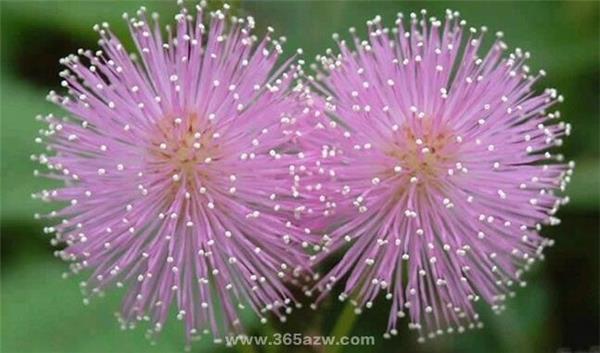
Mimosa pudica is delicate and cute, and it reacts as soon as you touch it lightly. It is very lively and interesting, and we all love to touch it, let alone children. But Mimosa pudica contains toxic mimosine, and long-term contact will cause the hair follicles of skin cells to decline, thereby causing the hair and eyebrows to turn yellow, or even fall out. Therefore, it is best not to keep Mimosa pudica in a home with children.
Children's resistance is relatively weak, and the fragrance given off by the light purple flowers of Mimosa pudica may also cause discomfort to a baby. Moreover, young children will put anything within sight into their mouths to eat, and keeping Mimosa pudica at home makes it very likely that a child will accidentally eat it. Considering children's safety and health, it is not recommended to keep Mimosa pudica indoors.

The above is the relevant introduction to whether Mimosa pudica is toxic. I hope everyone will enjoy today's article.