What are the benefits and effects of mint leaves?
Mint leaves can not only be steeped in water to drink but can also be eaten. So what are the benefits and effects of mint leaves? Let us take a look together below.
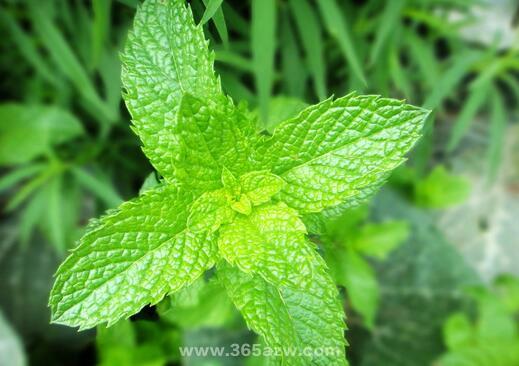
Mint leaves are rich in menthol. This substance can stimulate our skin nerves, dilate our blood vessels and increase blood flow, thereby achieving the purpose of faster heat dissipation and a cool, refreshing feeling on the skin. Drinking mint leaf infusion can also promote the secretion of mucus in our respiratory tract, thereby achieving a certain expectorant effect. Mint leaves also contain a variety of tea naphthol acids, and these nutrients are effective anti-inflammatory agents, with very good healing effects on otitis media, inflammation from burns and the like.
Mint leaves can not only be used to steep in water to drink. In our daily lives, the benefits and effects of mint leaves are also put to very many uses. In summer there are many mosquitoes; after being bitten by a mosquito, you can crush mint leaves and apply them to the affected area, which can relieve itching and promote healing. Muscle soreness caused by excessive exercise can also be relieved by taking a bath with mint leaves. The bactericidal properties of mint leaves are also used in beauty care, to remove bacteria from the face and keep the face cool. Many astringent toners contain mint leaves.
When it comes to mint leaves, everyone will surely think of coolness, so mint leaves are usually used in many external medicines. For many cases of acne caused by heat, grinding mint leaves into a paste and applying it to the affected area can achieve a very good healing effect. In summer, you can also add sun-dried mint leaves to a pillow; sleeping on it lets us feel a cool sensation, and the calming components in mint leaves also help us fall asleep. Drinking mint leaf infusion can also achieve the purpose of clearing heat and relieving summer heat, and refreshing and invigorating the mind. It is far better than drinking coffee.
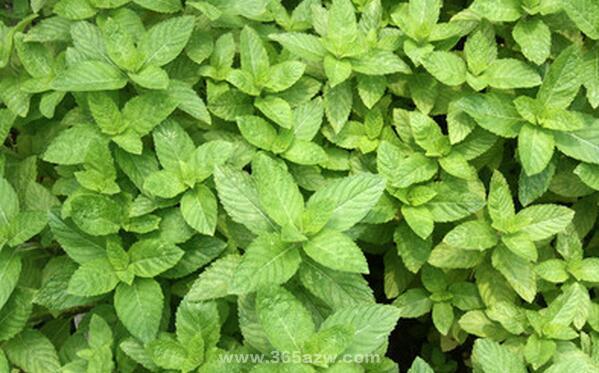
The benefits and effects of mint leaves are certainly good, but there are also many contraindications. First of all, mothers during breastfeeding must not consume mint leaves, because the dietary contraindications of mint leaves include a certain effect of inhibiting milk secretion, and mint leaves are also a cooling food, so they are also unsuitable for patients with cough caused by damp cold or people with a cold constitution and weak spleen. Moreover, mint leaves also contain trace amounts of respiratory-paralysing components. Normal use usually has no effect, but excessive use can cause serious symptoms such as cessation of breathing, so you must pay attention.
The benefits and effects of mint leaves
1. When we drink beverages containing mint, it can excite the brain, promote blood circulation and induce sweating, and can be used to relieve summer heat and reduce fever.
2. Mint contains factors such as menthol, which give the skin a cooling effect, so it can reduce inflammation and relieve pain, relieve itching and detoxify, and disperse wind-heat.
3. When mint is made into tea, it can strengthen the stomach and dispel wind, remove phlegm, promote bile secretion and resist spasms, and improve symptoms such as colds with fever, throat swelling and pain, as well as skin itching, abdominal bloating, diarrhoea, indigestion and constipation.
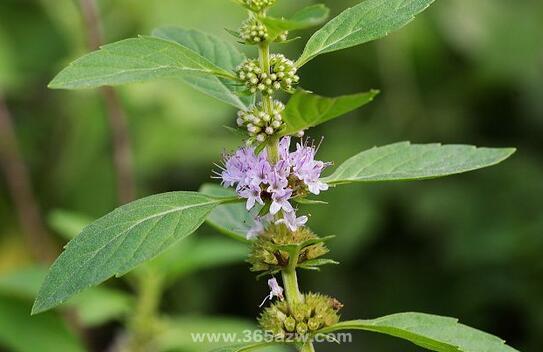
4. It can ease headaches, promote metabolism, and has a therapeutic effect on inflammatory symptoms of the respiratory tract;
5. Lower blood pressure and nourish the heart.
6. Its cool fragrance can also calm tense emotions, make body and mind joyful, and help with falling asleep.
7. Regularly eating foods made with mint leaves has a good protective effect on both the gallbladder and the liver, and can be used to treat gastric ulcers.
8. Mint leaves also contain anti-inflammatory agents, which have a remarkable effect on burns and scalds, not only making people feel less burning and uncomfortable, but also preventing inflammation from spreading.
Dietary contraindications
Mint is cooling in nature, so some contraindications should still be noted when eating it, and people who are unsuitable should eat less of it.
1. Pregnant women should not consume too much, and because mint has the effect of suppressing milk secretion, women who are breastfeeding should also not use too much.
2. Patients with cough due to lung deficiency or fever and excessive sweating due to yin deficiency should also use it with caution.
3. It has the effect of refreshing the mind, so it should not be drunk too much at night.
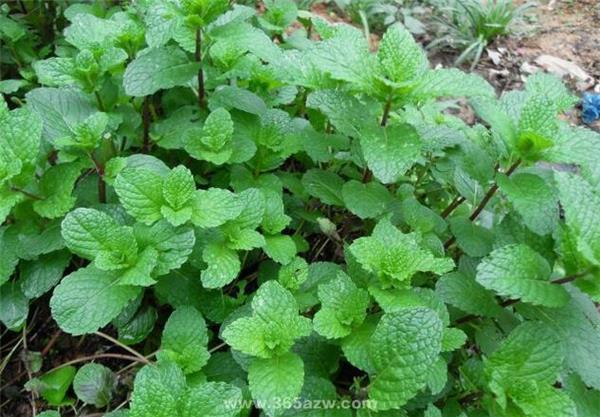
The above is the relevant introduction to the benefits and effects of mint leaves, and we hope it is helpful to you.