How to Care for a Brazil Wood Plant? Detailed Growing Tips
Brazil wood (Dracaena fragrans) is an evergreen tree of the Asparagaceae family. How do you care for it? Let's take a look together below.
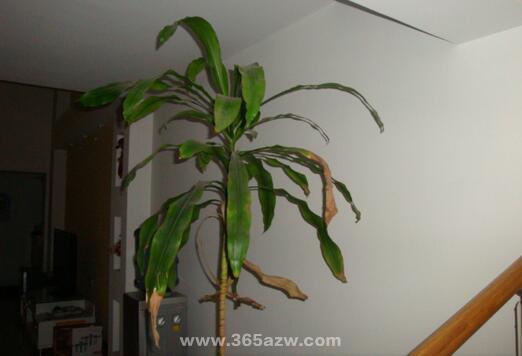
Growing Methods for Brazil Wood:
1. Soil Selection for Growing Brazil Wood
Potted Brazil wood on the market mostly uses fine sandy soil, which growers use to let the plant fully develop roots, but long-term use is not good for plant growth. To make the plant thrive, it must be repotted into peat soil in stages. It is not demanding about soil; loose, well-drained soil rich in humus and slightly acidic (pH 5.5-6.0) is most suitable. You can mix potting soil from 4 parts leaf mold, 3 parts garden soil, 2 parts river sand (or perlite), and 1 part organic fertilizer.
2. Watering Methods for Growing Brazil Wood
Brazil wood is fairly drought-tolerant, but if watering is insufficient and the potting soil is too dry, growth will be poor. During the growing season, the potting soil should be kept moist at all times, and in the vigorous summer growth period especially, it should be watered thoroughly. For household potted plants, water when dry and let dry between waterings, that is, do not water until the surface layer of the potting soil is dry, and water thoroughly when you do. After the beginning of autumn, the amount of watering should be gradually reduced, and watering should be controlled during the winter dormant period. Too much watering will cause root rot.
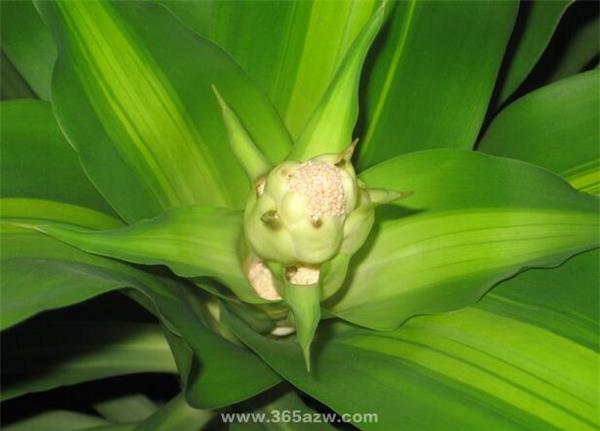
During cultivation and care, a certain air humidity should be maintained. If the air is dry, spray water on the leaves frequently to prevent the leaf tips from drying out and curling, and to keep the leaves clean and glossy. During the growing period, if you spray water on the leaves 2-3 times a day, the leaves will spread out well.
During the cultivation period, keep the water clean and water 1-2 times a week. Do not use too much water, to prevent the trunk from rotting. When temperatures are high in summer, you can use misting to increase air humidity and spray water on the leaves to keep them moist.
3. Fertilizing Methods for Growing Brazil Wood
Potted Brazil wood should not be too large; let it grow slowly to maintain an appropriate height. Therefore, fertilize sparingly. During the growing period, apply a dilute liquid fertilizer once every 15-30 days, which can make the leaves bright. For variegated varieties, apply less nitrogen fertilizer or fertilizer with high nitrogen content, so that the variegation of the leaves does not fade. Generally, apply fully decomposed 20%-25% cake fertilizer liquid; you can also top-dress with 0.2%-0.3% diammonium phosphate plus 0.3%-0.5% potassium nitrate, or spray the leaves with an aqueous solution of 0.1% urea plus 0.2% monopotassium phosphate.
During the growing period, Brazil wood should be given appropriate foliar top-dressing, spraying the leaves with 100-times diluted nutrient solution once every half month. After Brazil wood has been cultivated for several years, when the plant is too tall or the lower leaves of the stem have fallen off and the tree shape is poor, it should be pruned. Repot or change the soil every early spring. In addition, excessive ventilation, drought, irregular watering, and over-fertilizing can all cause the leaf tips to scorch.
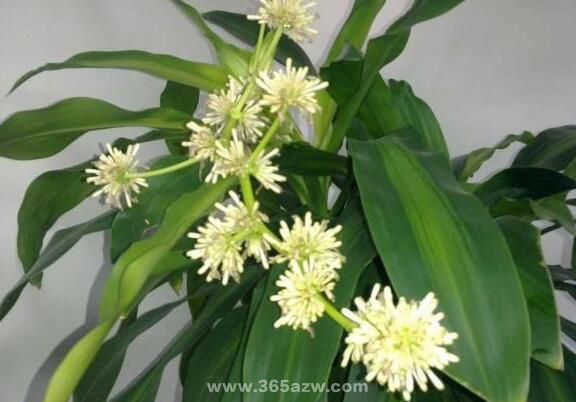
4. Temperature Requirements for Growing Brazil Wood
The ideal temperature for Brazil wood is 20-30°C. It can survive winter at above 10°C, and growth stops when the temperature is too low.
As long as conditions such as temperature are suitable, Brazil wood can grow all year round. When temperatures are high in summer, moderate shading is needed. In winter, room temperature must not be lower than 5°C, but it is best to let it go dormant in winter, with a dormancy temperature of 13°C. If the temperature is too low, yellow-brown spots will appear on the leaf tips and leaf margins.
5. Light Requirements for Growing Brazil Wood
Brazil wood has a very wide range of light adaptability and likes light while tolerating shade. However, if it is placed in too shady a spot indoors for a long time, the leaves can turn yellow and the variegation of variegated leaves can fade. In spring, autumn, and winter, it should get more sunlight, and in winter especially it needs sufficient light. It can be placed year-round in a bright indoor spot. If it must be placed in a rather dark indoor spot for viewing, then after 15-30 days of viewing, it must be placed in a spot with suitable light for a period of care before being placed indoors for viewing again, and this cycle can be repeated. Brazil wood is afraid of direct strong light, so in summer be careful to prevent direct sunlight. When caring for it outdoors in summer, use about 50% shade material for shading, to prevent the fierce sun from scorching the leaves and affecting the ornamental effect.
6. Pest and Disease Control for Growing Brazil Wood
The main diseases are soft rot, leaf spot, and stem rot. Improving ventilation and reducing humidity can reduce the occurrence of disease. After the disease appears, spray 75% wettable chlorothalonil at 600 times dilution, or 70% wettable thiophanate-methyl at 1000 times dilution for control. The main pests are red spider mites, scale insects, and so on, which can be controlled with 80% dichlorvos at 1000 times dilution, or by spraying other appropriate insecticides.
Precautions for Growing Brazil Wood:
If care and management are improper, Brazil wood often develops scorched leaf edges, scorched leaf tips, and brown patches on the leaves. The reasons are none other than the following:
1. The air in the cultivation and growing environment is dry and ventilation is too strong, causing the leaves' water to evaporate faster while the roots cannot supply water fast enough.
2. Light is too strong, especially when a potted plant is suddenly moved outdoors in summer and left in the sunlight, which very easily causes sunscald, making the leaves turn yellow or even scorch.
3. Watering is irregular, sometimes too much and sometimes too little, causing the plant's root system to rot and brown spots to appear on the leaves.
4. Over-fertilizing. If too much nitrogen fertilizer is applied while phosphorus fertilizer is lacking, it will not only easily cause the plant to grow leggy, but also cause root burn, affecting water absorption and making the leaves scorch.
5. The overwintering temperature is too low, and the leaves turn yellow and scorch from low-temperature chilling injury.
In view of the above causes, in order to prevent Brazil wood leaves from scorching, you must be careful and thorough in daily care and pay attention to the following points:
In the environment where Brazil wood grows, air humidity should be kept at 70%-80%, and it is best to spray water on the leaves and surrounding environment regularly. Mix some coarse sand particles into the potting soil to help drainage. The amount of watering should be moderate; the potting soil must not be too dry or too wet, and in winter water less to avoid causing root rot. For fertilizing, dilute liquid fertilizer is best, once every half month, and stop fertilizing after September, which helps it overwinter. In summer, pay attention to shading; it must not be in direct strong light, and the overwintering temperature must be kept above 12°C.
Potted Care and Management of Brazil Wood
The soil in the flowerpot where Brazil wood is planted should be kept moist, but it must not be waterlogged, otherwise the roots will rot. Because of its vigorous growth, water consumption is high, and water shortage easily occurs, so pay attention to timely watering. In normal weather, water thoroughly once a day, and sprinkle water in the air or on the ground 2 to 3 times; the air humidity requirement is 80%, and high temperature and high humidity help it grow rapidly. Too much or too little watering will both cause root rot, drooping and wilting leaves, and a lackluster leaf surface. At this time, the rotten roots should be removed. If the bottom trunk is rotting, it can be sawed off, soaked in 0.2% potassium permanganate water for 10 to 30 minutes, and buried in a well-drained substrate soil. Scorched or dried leaf edges are caused by dry air, and can be improved by frequently spraying water on the leaves.
The above is the relevant introduction on how to care for Brazil wood. I hope it is helpful to you.