How to grow carnations? Six things to keep in mind
How to grow carnations? The carnation is known as the "flower of mothers." Though not dazzlingly showy, it gives people a warm feeling, carrying perseverance within its plainness. Growing carnations is actually not difficult, but if you want your carnations to grow healthily, you still need to understand some growing techniques.
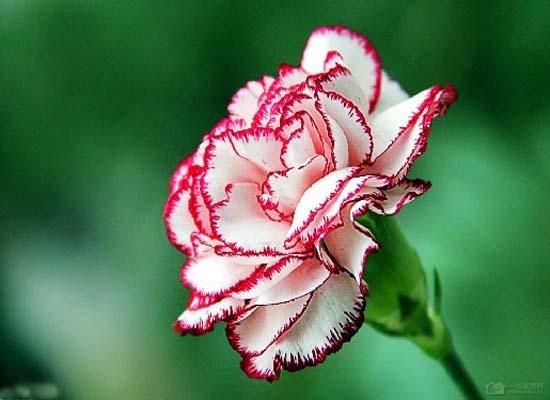
To grow carnations well, there really are some small tricks in the planting and growing methods.
1. For potted carnations, you must know how to choose the pot. For potted carnations, choose a tall pot with a relatively large inner diameter, and first apply enough base fertilizer containing potassium, calcium, nitrogen and phosphorus at the bottom of the pot.
2. To prevent carnation leaves from withering, control light and temperature well. Some flower growers report that during the growing process, problems such as leaf withering appear. This problem is mainly caused by poor control of temperature and light conditions. When the temperature is above 30 degrees, it easily causes withering symptoms. The most suitable ambient temperature for carnation growth is 13-25 degrees, and light conditions should be controlled at 6-8 hours per day. This can ensure normal growth of potted carnations. Liking strong light is an important characteristic of carnations. Whether overwintering indoors, summering in pots, or forcing cultivation in a greenhouse, sufficient light is needed, and they should all be placed in a sunny position with direct light.
3. To avoid root rot in carnations, master the watering principle well. Excessive watering easily causes root rot, so the number of waterings must be controlled well. Avoid water accumulation. During the rainy season, pay attention to loosening the soil and draining water. In addition to timely watering during the peak growing and flowering seasons, usually water less to keep the soil moist. If conditions permit, the air humidity can be kept at around 75%. Carnation watering principle: do not water if the pot surface is not dry; when watering, water thoroughly; avoid waterlogging.
4. If you want carnations to grow healthily, pay attention to fertilizing. Be careful to choose a clayey soil that drains well, is rich in humus, has good fertilizer retention, and is slightly alkaline. During the growing period, continue to apply liquid fertilizer, generally applying once every 10 days or so with decomposed dilute fertilizer water. Do not fertilize during the high-temperature period in summer, otherwise they are prone to withering and death.
5. If you want carnations to have more branches and bloom more, learn the branching method. To promote branching, remove the top when the plant height is 15-20 cm. Generally keep 6-7 side buds on the lower part, then pinch again later, finally giving the plant 12-14 side branches. When budding, keep only one bud at the top of each branch, and remove all lower axillary side buds and side shoots. The second pinching must be done before mid-August. After the first flowering, promptly cut off the flower stems, keeping only two buds at the base of each branch. Through such repeated pinching, the plant shape can be made graceful and the flowers abundant and brightly colored.
6. To increase the survival rate of carnation propagation, choose the right propagation method: carnations are most suitable for cuttings propagation. The time for cuttings is not limited; except in excessively hot weather, they can be propagated in other seasons. Among these, cuttings in early February have the highest survival rate.
I believe that after reading the above introduction, you have a clearer idea of how to grow carnations. Why not try the above methods and see whether the carnations in your home are more beautiful than before.