Master potted chrysanthemum management methods - only with proper cultivation can they bloom
Chrysanthemums can be grown in pots and placed at home or in the office to cultivate character, improve feng shui, and purify the air. Potted chrysanthemums must be managed well; if they are not managed properly, the chrysanthemums will die as a result.
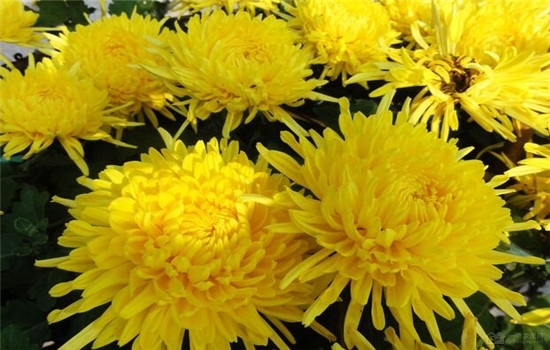
1. Fertilize at the right time. Chrysanthemums like fertilizer, but improper fertilization can easily cause excessive vegetative growth. If too much fertilizer is applied, the plants grow tall with sparse leaves, so the base fertilizer should be mainly phosphorus and potassium fertilizer. Topdressing should not be applied too early. If the leaves are small and thin and the leaf color is yellowish, 0.1% urea water can be sprayed several times until the leaves turn green again. If symptoms of phosphorus and potassium deficiency appear, spray a 0.2% potassium dihydrogen phosphate solution. From the Start of Autumn to before flowering, fertilizer and water should be sufficient, and the concentration should gradually increase. Attention should also be paid to applying more phosphorus and potassium fertilizer, which can make the flower color true and the flowering period long.
2. Control water properly. To make chrysanthemums grow short and sturdy, with dense nodes, plump leaves, and no bare stems at the base, water control is the only effective measure. Potted chrysanthemums should be watered at the right time and in the right amount. Even during the vigorous growth period, the daily watering amount only needs to maintain the water lost to evaporation by noon during the day, that is, spray the leaves with water once in the morning and once in the evening each day.
3. Repot and change soil at the right time. Throughout the entire growth process of chrysanthemums, they generally need to be repotted 2-3 times. During the seedling stage, transplant them into a small pot about 12 cm in diameter for care. During the strong seedling stage, move them into a pot about 15 cm in diameter for cultivation. Before flower bud differentiation, move them again into a pot about 20 cm in diameter for cultivation. At this time, fertilizer should be applied at the right time. Only in this way, as the pot gradually increases in size and the potting soil gradually increases in amount, can it be favorable for supplying the appropriate amount of water and fertilizer needed at each growth and development stage. Absolutely avoid growing small seedlings in large pots or large seedlings in small pots. If the branches and leaves are found to be too luxuriant, some of the old soil or fibrous roots can be removed.
4. Pinch promptly. Timely pinching can promote side branches and effectively reduce plant height. The timing and number of pinchings for potted plants vary according to different shaping styles. Generally, 4-7 flowers are retained. After the chrysanthemum seedlings are planted, pinch when 4-5 leaves remain. When their side branches grow 4-5 leaves, keep 2-3 leaves on each side branch and pinch a second time.
5. Remove buds and thin flower buds. During the strong seedling stage of chrysanthemums, many axillary buds sprout and need to be pinched off promptly with the fingers; otherwise they consume a large amount of nutrients and can produce many small side branches, making the plant look messy and disorganized. During the bud stage, side buds sometimes appear on the small branches below the terminal bud. Apart from those that need to be retained, the side buds should also be removed early to promote the enlargement of the terminal bud.
6. Keep the basal leaves healthy. As the saying goes, "Fresh flowers also need green leaves to set them off." Achieve timely cuttings. During the growth period of potted chrysanthemums, reasonable fertilization, watering, and prevention of pests and diseases can prevent the basal leaves from turning yellow and falling off, and can also ensure that the leaves remain green and elegant, improving the ornamental effect.
For chrysanthemums grown in pots, pay attention to the above aspects. At the same time, note that chrysanthemums require patient management to achieve good results. If they are not managed patiently, even the most beautiful chrysanthemums will slowly wither or develop new problems, and the flowers they produce will not be as beautiful.