The Legend of Begonia Flowers and Detailed Care Tips
Begonia is a flower that many flower lovers greatly adore. Today we will give a detailed introduction to the legend of the begonia flower.
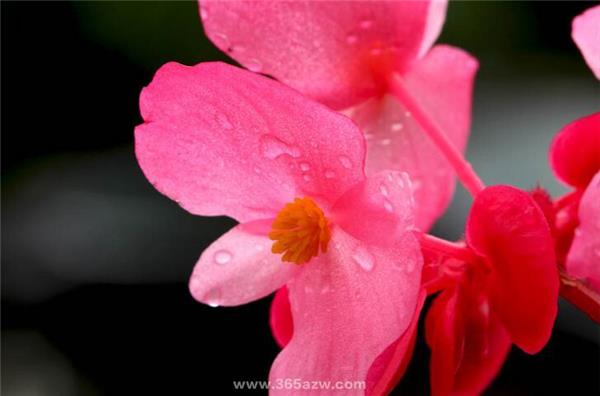
According to historical records, when Lu You and Tang Wan were reluctantly parting, Tang Wan gave Lu You a pot of begonias as a token of longing. When Lu You asked Tang Wan: what flower is this, Tang Wan replied sorrowfully: this is "heart-breaking red." Seeing this, Lu You was overcome with emotion and said offhandedly: it should be called "lovesickness red." From then on, the begonia also became known throughout the world as "lovesickness red." When people's love encounters setbacks, they often compare themselves to the begonia flower, calling it the "heart-breaking flower," using the flower to express the sorrowful feelings of parting between men and women.
Therefore, the flower language of the begonia is bitter love and heartbreak. In addition, the begonia represents: a wanderer's homesickness, the sorrow of parting, gentleness, beauty and happiness.
Folk legends about the begonia
Legend has it that in ancient times there was an old town by the East China Sea, a busy port for waterway trade. Every household in the town loved to grow flowers and to admire them. The rich had gardens; the poor also planted some flowers in front of and behind their houses. Some people made a living by growing flowers, and some merchants liked to take the town's flowers overseas to trade.
In the town there was a man named Gui Tang, who had a wife, a child and an elderly mother, and the family lived in great poverty. Besides helping to grow flowers, his wife could also cut flower patterns to sell. Whatever flower she saw, she could cut it out, and every cut looked just like the real thing. The neighbors all praised her skillful hands. One day, as she was selling flower patterns on the street, a merchant from overseas said to her: Sister-in-law, the flowers you cut are lovely, but it is a pity they are flat. If you could make flowers out of colored paper and colored silk, I could take them overseas to sell and get you a good price!
Hearing the merchant's words, Gui Tang's wife happily agreed. She went home and day and night began making paper flowers and silk flowers. She made a basket of paper flowers and silk flowers of all kinds, beautiful and colorful, exquisite beyond compare. Later, when the merchant saw them, he was delighted and bought the whole basket of paper flowers and silk flowers.
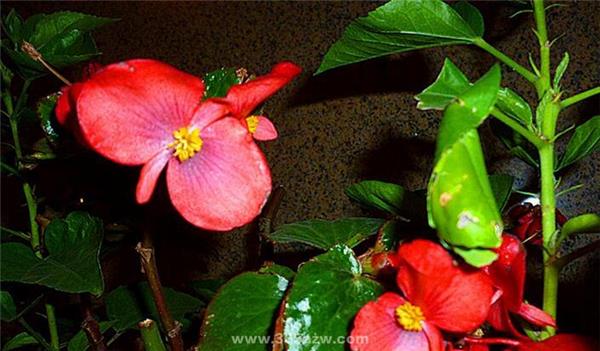
Gui Tang's wife counted on her fingers and figured that making flowers earned more money than growing them, so from then on she made paper flowers and silk flowers to sell. Other people learned to do the same. Besides being famous for growing flowers, the people of the old town also became famous for making paper flowers and silk flowers. But although Gui Tang and his wife could grow flowers and make flowers, supporting a family of four was still a struggle. One day Gui Tang discussed with his wife going overseas to sell flowers so that things would be a little easier. His wife's eyes reddened; she could not bear to let her husband go overseas to do business, but for the sake of their future life she had no choice but to nod and agree.
So Gui Tang's wife made a batch of paper flowers and silk flowers. When the chrysanthemums bloomed, Gui Tang took a passing boat and went to sea. The plum blossoms of the first month and the apricot blossoms of the second month had both bloomed, and the cockscomb of the seventh month and the osmanthus of the eighth month had bloomed too! Gui Tang had left when the chrysanthemums bloomed last year, and now that the chrysanthemums were blooming again this year he still had not returned! Was he ill and unable to come back, or was he simply too poor to come home? Dead or alive, who could know!
She waited and waited, until news finally came: Gui Tang had long since died overseas, worn down by poverty and illness. Gui Tang's wife was still half doubtful and half believing, hoping her husband could come back alive. Every day she sat blankly leaning on the windowsill of the north window, gazing out at the sea. Sorrowful and dazed, she wore out her eyes waiting for her husband who never returned, shed all her tears and wept until her heart broke.
The flower god took pity on Gui Tang's wife and turned the tears she had shed into the soil beneath the north window into a plant, with leaves green on the front and red on the back. Its small blossoms were like little teardrops, and also like the bright, rich silk flowers Gui Tang's wife had made, both rare and beautiful. This was the flower god letting Gui Tang's wife grow this strange flower to sell so she could get by, and also letting her look at it every day as a way to express her grief for her husband!
Later, this flower grew into a thriving patch. People said Gui Tang had died pitifully, that he had gone to sea in autumn and that this flower also bloomed in autumn, so they called it "autumn begonia" in his memory. They also said the flower had come from Gui Tang's wife crying for Gui Tang, so they also called it the "heart-breaking flower."
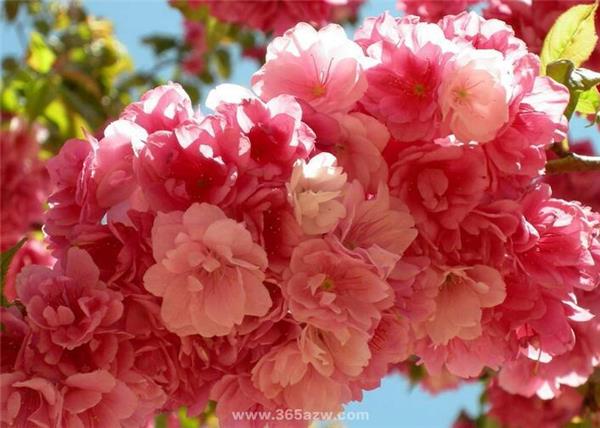
Key care points for wax begonia (four-season begonia)
Keep the air humidity relatively high, but do not let the potting soil stay constantly too wet; it is best to maintain fairly high relative humidity, and you can often spray water on the leaves and around the pot, while watering should let the potting soil dry out and then be watered again. Take special care not to let water accumulate in the potting soil. If the potting soil stays too wet for a long time, it will cause root rot and may even kill the whole plant. The pot of a wax begonia can usually be kept on a balcony or in a courtyard in partial shade, and care should be taken to shade it, never letting strong direct light hit it. In the intense heat of midsummer, the plant goes dormant, so watering should be controlled and it should be placed in a cool, well-ventilated spot. About half a month after potting a wax begonia, you can apply one dose of rotted fertilizer water; afterward, during the growing period, apply a light fertilizer water once every 20-30 days. Once the first flowers appear, reduce nitrogen fertilizer and increase phosphorus and potassium fertilizer. After flowering, except for plants kept for seed, pinch off the growing tips to control the plant shape and encourage branching. At the same time, water it, and top-dress only after new branches sprout. In winter, when it is moved indoors, it must be placed in a spot with ample sunlight to overwinter, and the lowest temperature must not fall below 10°C.
Begonia flower language
The four-season begonia has a long flowering period and many flower colors with rich variation; it is a flower beautiful in both bloom and foliage. Grown in pots for viewing, it is petite and exquisite with graceful form, tender and glossy leaves, and blossoms in clusters, blooming in all four seasons, with a distinctive charm that people love. The begonia symbolizes bitter love. When people's love encounters setbacks, they often compare themselves to the begonia flower. The ancients called it the "heart-breaking flower," using the flower to express the sorrowful feelings of parting between men and women.
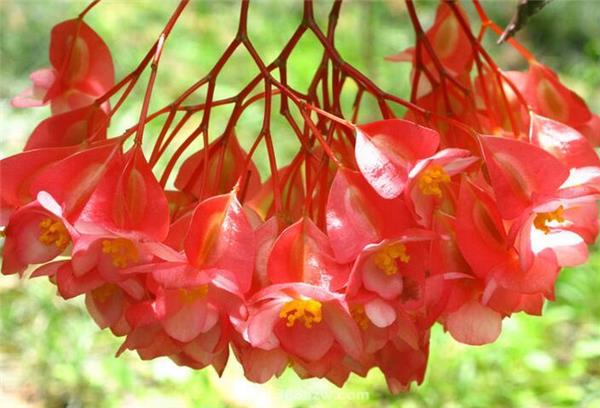
The above is the relevant introduction to the begonia flower. We hope it is helpful to you.
At the same time, water it, and top-dress only after new branches sprout. In winter, when it is moved indoors, it must be placed in a spot with ample sunlight to overwinter, and the lowest temperature must not fall below 10°C.Begonia flower language
The four-season begonia has a long flowering period and many flower colors with rich variation; it is a flower beautiful in both bloom and foliage. Grown in pots for viewing, it is petite and exquisite with graceful form, tender and glossy leaves, and blossoms in clusters, blooming in all four seasons, with a distinctive charm that people love. The begonia symbolizes bitter love. When people's love encounters setbacks, they often compare themselves to the begonia flower. The ancients called it the "heart-breaking flower," using the flower to express the sorrowful feelings of parting between men and women.
The above is the relevant introduction to the begonia flower. We hope it is helpful to you.