How to grow Wanchongshan? A detailed guide to Wanchongshan cultivation methods
Wanchongshan is a variety of the cactus column, a succulent plant of the genus Cereus in the family Cactaceae, with extremely high cultivation value. Planted in the ground at the corners and edges of exhibition greenhouses, it can display a tropical rainforest scene, and it can also serve as a hedge plant. Moreover, for newly renovated homes and offices, it also has a very good air-purifying effect. Now let us take a look at the cultivation methods for Wanchongshan!
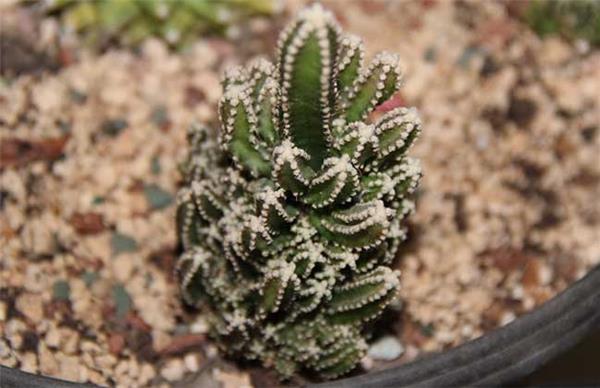
Growth habits of Wanchongshan
Wanchongshan is a tropical rainforest plant that likes warmth and warm air, and is suited to high air humidity, high temperatures and semi-shaded environments. It prefers semi-shade; under direct strong sunlight the plant turns yellow. The optimum growth temperature is 25-35°C. It is sensitive to low temperatures; below 5°C, the stem segments are prone to rot. It likes fertile loam rich in humus. For potting soil, equal parts of leaf mold, coarse sand and decomposed manure can be mixed.
Propagation methods for Wanchongshan
Like other cactus plants, Wanchongshan is very easy to propagate and keep alive. Cuttings are usually used for propagation, which can be done throughout the year, with April to May being the best time. Select a small malformed stem of Wanchongshan, cut it off and let it dry for 1-2 days, then insert it into the soil after the cut surface has dried. Do not water for the time being, press the soil firm and cover the cut, and spray some water to keep it moist. Generally, under suitable temperature conditions (14-23°C), roots will form in about 20 days and it can then be transplanted. Cuttings taken during the plum rain season and the hot summer days have a lower survival rate.
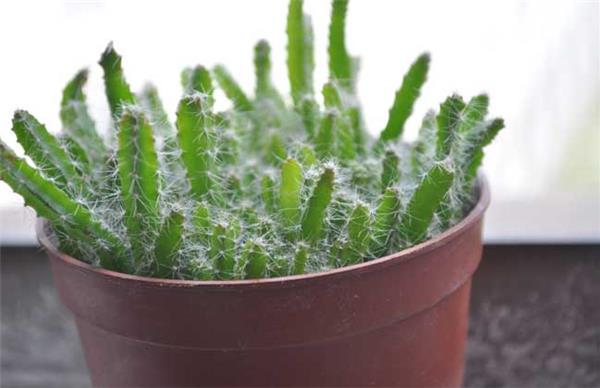
Cultivation methods for Wanchongshan
1. Soil: Wanchongshan likes loose, fertile soil rich in humus. For potting soil, a growing medium made by mixing 1 part leaf mold and 1 part coarse sand with a small amount of decomposed chicken manure or cow manure can be used. Small pots need the soil changed and fertilizer added once a year, while large pots need it once every two years.
2. Fertilizing: Wanchongshan generally does not need fertilizing. When repotting each year, place a small amount of crushed bone meal or organic fertilizer at the bottom of the pot as a base fertilizer. Apply high-concentration chemical fertilizers cautiously, as fertilizer burn is easy to occur. Remember that fertilizing should be in small amounts with as low a concentration as possible. You can also use organic fertilizers such as sesame paste residue to make liquid fertilizer, dilute it and pour it onto the potting soil.
3. Watering: Watering Wanchongshan should follow the principle of "alternating dry and wet", preferring dry over wet. There must not be an absolute fixed interval for watering; it should be flexibly controlled according to factors such as weather, temperature, light and ventilation. Otherwise, root rot is easy to cause, and excessive growth will make Wanchongshan slender, with thin, soft branches that are not upright.
4. Temperature: When overwintering Wanchongshan in winter, move it indoors promptly before the outdoor ambient temperature drops below 5°C, and place it in a sunny spot. Do not place it near window glass, as the temperature near the glass is low at night. Keeping the room temperature between 5-10°C is enough for it to overwinter safely. If the temperature drops suddenly, you can cover it with a plastic bag to keep it warm.
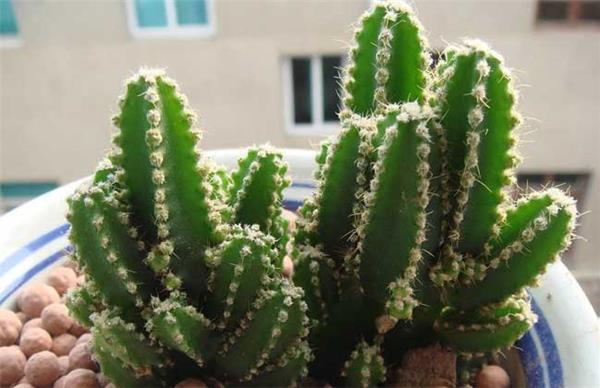
5. Ventilation: Under dry, stuffy conditions with poor ventilation, Wanchongshan is prone to red spider mites, and under damp and cold conditions it is prone to rust spot disease. In summer, direct sunlight near window glass can cause the flower pot temperature to become too high and damage the roots. Be careful not to let the pot walls be exposed to high-temperature scorching.
6. Pests and diseases: Pest and disease control for Wanchongshan must focus on prevention, with particular attention to the control of stem rot and scale insects. For general diseases, drugs such as carbendazim and thiophanate-methyl can be used in rotation. Drugs for general diseases and pests can be mixed, and foliar fertilizer can also be added.
Precautions for Wanchongshan
1. Grow Wanchongshan in a clay pot or place a layer of clay shards inside the pot to give the root system a relatively large breathing space, so that root rot is less likely.
2. Cultivate Wanchongshan in sandy loam soil, and fertilize once every twenty days, continuing until early October.
3. The principle for watering Wanchongshan is not to water if the soil is not dry, and to water thoroughly when watering. Do not water excessively, and do not go without watering for a long time.
4. When overwintering, Wanchongshan should be moved into a room at 8 degrees. If the temperature drops suddenly, you can cover it with a plastic bag to keep it warm.
5. Wanchongshan is a light-loving plant, so let it get as much sun as possible; it cannot go without sunlight for a long time.