How to Grow and Care for Potted Chrysanthemums
Chrysanthemums are extremely hardy, and their traces can often be seen along mountain slopes and roadsides. However, this may not mean that potted chrysanthemums can likewise be managed extensively. Therefore, this article takes chrysanthemum cultivation and care methods as its topic, briefly introducing how to grow potted chrysanthemums, for the reference of friends who love and grow chrysanthemums.
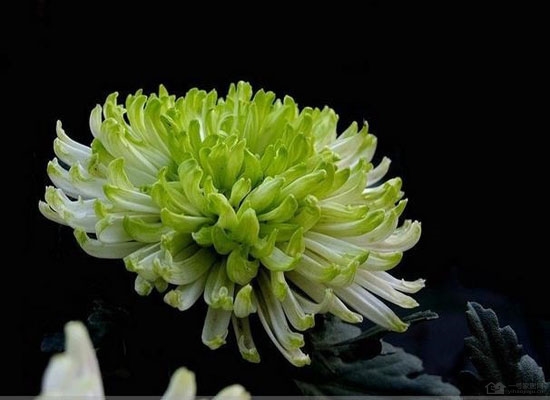
The chrysanthemum is a perennial herbaceous subshrub. Because it has a great many varieties, its leaf shapes, flower forms, and flower colors vary enormously. To make cultivated chrysanthemums have large flowers, beautiful colors, green leaves, moderate height, and well-proportioned form, you also need to master cultivation and care techniques.
1. Potting Soil Preparation
The soil for potted chrysanthemums needs to be loose in texture and rich in humus. Chrysanthemums most dislike being planted in the same spot year after year or being grown in old potting soil that has previously held chrysanthemums, because continuous cropping leads to deterioration of the soil's physical and chemical properties, which is unfavorable to chrysanthemum growth. Therefore, new culture soil must be prepared every year.
2. Keeping Mother Plants for Stock
In mid-November, choose a sunny, wind-sheltered spot and make beds for deep planting (about 3 cm deeper than the original soil ball), then immediately water with settling water; 3 to 4 days after planting, apply a liquid fertilizer once and spread chaff ash, and cut off the aboveground flower branches and old stems. If the winter is dry, be sure to water in time. The following March, the chaff ash can be pushed aside, and intertillage and weeding carried out, with fertilizer applied 2 to 3 times to promote sprouting. In early April, pinch off the terminal buds, usually keeping 3 plants per clump for stock.
3. Propagation
Chrysanthemum propagation methods include cuttings, division, grafting, and sowing, with cuttings generally being the main method. Chrysanthemum cuttings can begin after Qingming in early April, in stages and batches, and can continue until early July; generally, short varieties are inserted early and tall varieties late. For cuttings, choose tender shoots sprouted from robust mother plants, cut them off at about 3 cm from the tip, remove the lower leaves, and trim the base flat with a sharp knife. The plant and row spacing is 3 cm x 4 cm; first poke a small hole with a bamboo stick, then insert the cutting about 1 cm into the soil, pressing firmly with the fingers as you insert. Spray water immediately after insertion and set up shade facilities well. Before rooting, spray water frequently; after rooting, watering can be appropriately reduced. After cutting, rooting takes about 3 to 4 weeks, and after rooting they can be divided and potted up.
4. Potting Up
Carry out planting out on a sunny or cloudy day. When transplanting cutting seedlings, pinch out the growing tip once. Place coarse-grained soil in the bottom of the pot, then fill with culture soil on top. After planting out, weed frequently and keep the pot surface soil loose.
5. Water and Fertilizer Management
When chrysanthemums have just been potted up, water them less; after they have established, decide the amount of watering according to the degree of soil dryness and moisture and the weather conditions. Fertilization should be done in appropriate amounts; generally apply a dilute liquid human manure fertilizer once every half month, and do not fertilize during high temperatures or excessive dryness. In early September, when chrysanthemums are budding, repot once to suppress excessive growth and promote flower bud development. When repotting, remove part of the old soil and add some fertile soil; afterward, the fertilizer concentration can be gradually increased, applying a concentrated fertilizer once every 3 to 5 days to promote rapid swelling of the flower buds. However, green chrysanthemums should not be top-dressed during the budding period, and applying phosphorus fertilizer should especially be avoided. Different varieties also have different fertilizer requirements. For example, rosette types and dancing lotus types require relatively large amounts of fertilizer, while single flat-petal varieties require relatively little. When fertilizing, never let it touch the chrysanthemum leaves, to prevent the leaves from scorching and falling.
6. Pinching, Bud Removal, and Bud Thinning
The main purpose of pinching is to achieve the predetermined number of flowers, and it can also prevent the plant from growing too tall. Generally, specimen chrysanthemums are pinched 3 to 4 times, large standing chrysanthemums 5 to 6 times, and cliff chrysanthemums must be pinched continuously. Taller plants are pinched more times, while slow-growing ones can be pinched fewer times. Pinching must be done at the right time; generally, when there are 5 leaves, pinch off the top 3 tender leaves. If pinching is too late, the stems become woody, and the pinched forks are prone to breaking and lodging. Stop pinching after the Beginning of Autumn. Afterward, new buds will continue to sprout in the leaf axils of the new branches, and these new buds and new shoots should be wiped off at any time. Under normal conditions, flower buds appear successively from late September to early October, and bud thinning and bud retention can be carried out according to cultivation requirements.
Chrysanthemums are actually quite easy to keep alive; it is just that to make them grow well and have a long flowering period, you need to put in some thought and effort. In fact, this is true for growing and caring for every kind of plant.