How to Grow Stromanthe sanguinea? Detailed Guide to Cultivation Methods and Precautions
Stromanthe sanguinea is mainly used as an indoor potted decorative plant with great ornamental value. What should be noted when growing Stromanthe sanguinea? Let's take a look together below.
Introduction to Stromanthe sanguinea
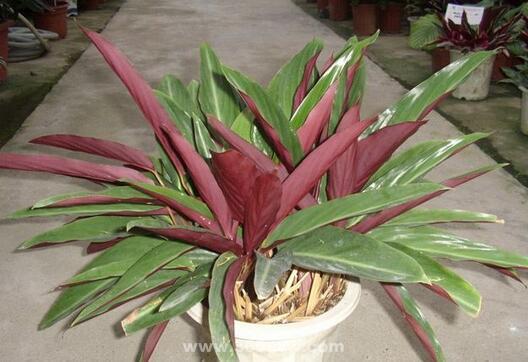
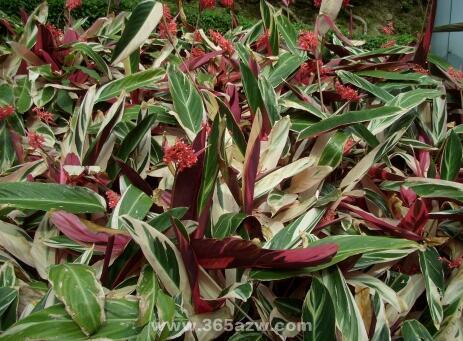
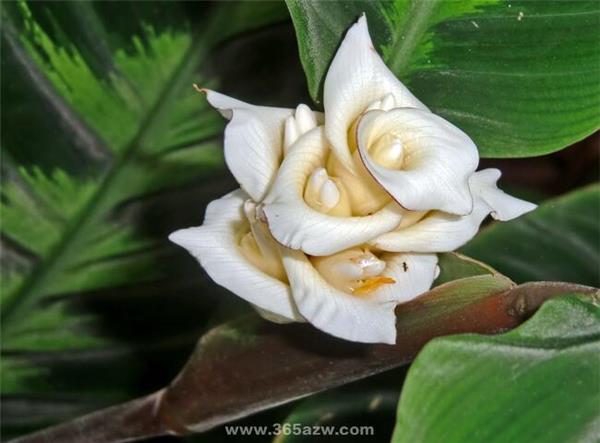
The whole Stromanthe sanguinea plant is about 1 m tall and upright. The leaves are long ovate or lanceolate. Its branches and leaves grow densely with a full plant shape, thick leathery texture, dark green and glossy leaf surfaces, light-colored midribs, and blood-red leaf undersides, forming a striking contrast with the leaves and looking very beautiful. The spike inflorescence has bright red bracts and calyx, with white petals. The underside is purplish-red.
Daily Care of Stromanthe sanguinea
Light: Although Stromanthe sanguinea can tolerate high temperatures, in a high-temperature summer environment, prolonged full sunlight will affect its leaves, so appropriate shading is needed in summer, with only 70-80% light required. Generally speaking, its shade-loving nature makes it very suitable for growing indoors as a foliage plant.
Water: The optimal growing temperature for Stromanthe sanguinea is between 20-30 degrees, and in winter it can overwinter safely at temperatures above 5°C. During overwintering, water less to prevent frost damage. During the growing season, its demand for water is relatively high, so the soil moisture in the pot should be checked frequently, and once it becomes slightly dry, water should be replenished promptly. Of course, if you have extra time, you can sprinkle water on the ground to increase air humidity and promote its growth. During watering, make sure the soil drains well, otherwise excessive watering will cause water to accumulate in the pot and lead to root rot.
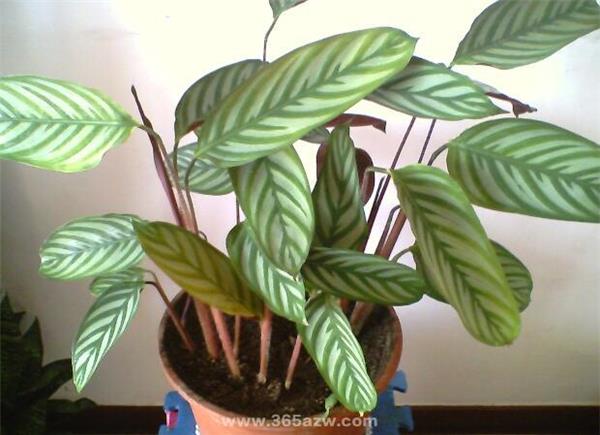
Soil: Stromanthe sanguinea requires loose and fertile soil. The potting soil can be made by mixing leaf mold, garden soil and river sand in equal proportions. Leaf mold can provide the nutrients needed for its growth, while river sand can improve the soil's looseness and drainage. Adding an appropriate amount of base fertilizer to the soil as the growing medium can provide Stromanthe sanguinea with abundant nutrients.
Fertilizing: During the growing season, Stromanthe sanguinea needs fertilizing once or twice a month. Liquid fertilizer can be used for fertilizing. To ensure normal plant growth and normal nutrient absorption, it should be repotted once every one to two years.
Pests and diseases: The diseases commonly encountered during the cultivation of Stromanthe sanguinea include leaf spot and leaf blight. If it is in the early stage of the disease, spraying medicine can treat it. About 2-3 sprays every half month of 200-fold Bordeaux mixture or 65% zineb wettable powder at 600-fold dilution. The pest commonly encountered is scale insects, which occur because the environment is too stuffy and lacks ventilation. They can be killed by spraying with 50% fenitrothion emulsifiable concentrate at 1000-fold dilution.
Propagation methods of Stromanthe sanguinea:
Vigorously growing plants can be divided once every 1-2 years. Division is best done after the temperature warms up in spring. Along the growth direction of the underground rhizome, cut the clustered plant into several clumps, then pot them separately and place them in a relatively shaded area for care. After roots develop, manage them according to routine methods. In addition, elongated stemmed leaves with nodes can also be used for cuttings propagation.
Stromanthe sanguinea is used to decorate bedrooms, living rooms, offices and other places, appearing quiet and dignified, and can be enjoyed for a long time. If you like it, you might as well try growing and caring for it to beautify your home.
Precautions for Growing Stromanthe sanguinea
1. Stromanthe sanguinea is an excellent indoor shade-loving foliage plant. In hot summer, prevent exposure to direct sunlight and shade 70%-80% of the light, otherwise damage is likely to occur;
2. If air humidity is low and the potting soil is dry, the leaf edges will turn yellow and scorch. In addition, direct sunlight can also cause the leaf edges to turn yellow and scorch;
3. Stromanthe sanguinea should be repotted once every 1-2 years.
IV. Uses of Stromanthe sanguinea
Stromanthe sanguinea is mainly potted for indoor decoration and is an excellent indoor shade-loving foliage plant. It is an excellent plant for foliage and flowers, used to decorate bedrooms, living rooms, offices and other places, appearing quiet and dignified, and can be enjoyed for a relatively long time.
The above is the relevant introduction to the cultivation methods and precautions for Stromanthe sanguinea. We hope it is helpful to you.