How to Grow Peperomia? A Detailed Guide to Care Precautions
Peperomia is a common feng shui plant, placed in offices and living rooms. How do you grow a lush, green peperomia? Let's take a look below.
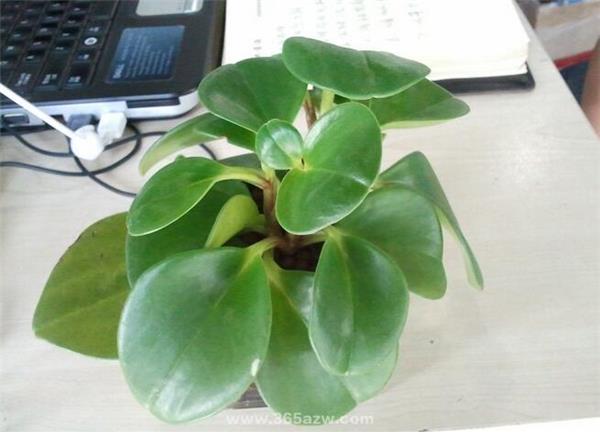
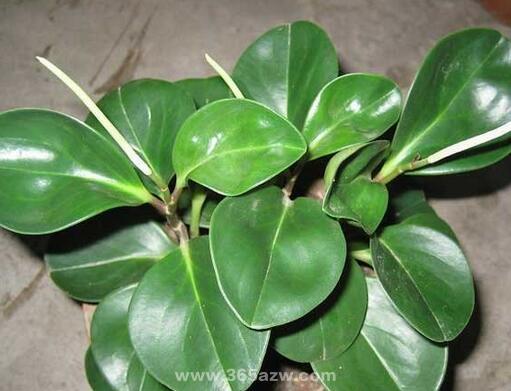
Peperomia, also called green-leaf peperomia, is a relatively common small potted plant, also known simply as peperomia. Because its leaves are extremely green, it is a common evergreen plant, and because it is fairly easy to keep indoors, like a gentle young lady, people vividly call it "the modest beauty."
A brief introduction to peperomia growing methods is as follows:
Light: Avoid direct sunlight; it is best grown in partial shade.
Water: It likes moisture. During the growing period from May to September, water more; in hot weather, spray or sprinkle water on the leaf surface to maintain relatively high air humidity and keep the leaf patterns distinct and the foliage emerald green.
Soil: It requires loose, fertile, well-drained soil, which can be mixed from river sand, mud material, and leaf mold.
Temperature: It likes warmth. The suitable growing temperature is around 25°C, the overwintering temperature should not be lower than 10°C, and it is not tolerant of high temperatures.
Fertilizing: Fertilize once a month until overwintering.
Propagation: It can be propagated by division and leaf cuttings. Divide in spring and autumn. For leaf cuttings from May to June, use whole-leaf cuttings; the cutting leaf should have a petiole of about 1 cm, insert it to 1/3 of the leaf, use river sand etc. as the substrate, and roots can form in 15 days at 20-25°C. Be careful to keep the substrate moist and maintain a certain level of air humidity.
The Benefits of Peperomia
As a common household plant, peperomia has quite a few benefits.
First is its ornamental value. Peperomia is generally paired with a white ceramic or plastic pot, and combined with its green leaves, it is a scenic feature in the home. Placed on a desk, beside a TV, on a curio shelf and other places, it looks very pleasing to the eye.
Second is its air-purifying effect. As a green plant, it mainly absorbs some radiation, and generally has a very good effect when placed beside a computer.
In fact, peperomia also has medicinal value. Its leaves and roots are used as medicine and can treat rheumatism, and can also treat bronchial problems; general coughs and lung diseases can all be treated. Many over-the-counter medicines for bruises and injuries on the market also contain its ingredients.
Precautions for Placing Peperomia Indoors:
1. When the plant height is about 10 cm, pinch off the growing tip to promote the sprouting of side branches and make the plant fuller. The care and management of peperomia is relatively simple; in summer it can be placed in a shaded spot with scattered light.
2. Peperomia is robust, and both planting and care are relatively simple. In spring, summer, and autumn it must be kept shaded; in winter it can receive slanting sunlight. Its leaves are thick and fleshy, covered with a waxy layer, with strong water storage capacity and low transpiration, so even in the peak growing season it does not need too much water. During spring droughts and when winter heating is sufficient, indoor air humidity should be increased, and the leaf surface can be misted. In the hot, stuffy summer, ventilation should be strengthened, otherwise leaf drop easily occurs.
3. In ordinary management, pay attention to moderate light and reasonable fertilizer and water. Peperomia likes a shady, cool, and humid environment and grows better under scattered light. In spring and autumn the climate is mild and the sunlight is not too strong, so the pot can be placed outdoors. But in summer it must not be exposed to strong direct light, especially not placed in a spot with west-facing sun, otherwise the branches and leaves will turn yellow.
Therefore in summer, the pot should be moved to a cool, shaded place such as a balcony or corridor, or placed indoors, which both avoids sun exposure and decorates the interior.
4. Peperomia is not tolerant of frost, so after late autumn it should be moved indoors for cultivation. In severe cold winter, place it as much as possible in a sunny spot by a south-facing window; a room temperature of 5°C is enough for it to overwinter safely. Fertilizer and water management are also very important. Generally, 2-3 year old plants grow better; plants over 3 years old gradually decline in vigor and should be considered for renewal. In addition, to keep the leaves emerald green, they need to be renewed after 3 years.
The above is a related introduction to growing peperomia; I hope it is helpful to you.