What are the benefits and effects of Mingyue grass?
Mingyue grass is a plant with health-promoting properties. What are the benefits and effects of Mingyue grass? How should Mingyue grass be eaten? Below we give a detailed introduction.
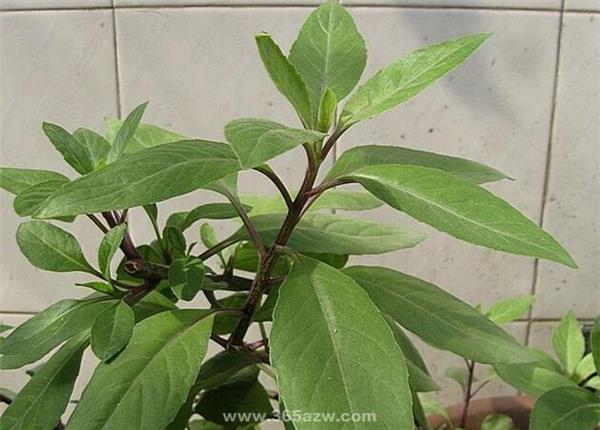
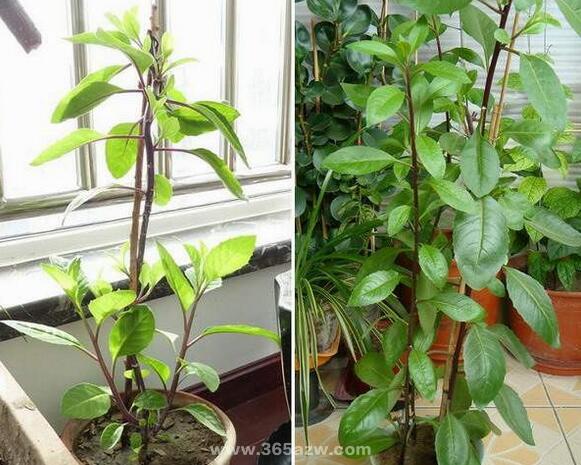
Mingyue grass is a perennial evergreen upright herbaceous plant with a plant height of 30-80 cm, oval leaves, many stems, slightly succulent, and strong branching ability. It is suitable for multiple harvests of tender stems and leaves. The stems have a strong ability to form adventitious roots, and cuttings root easily. The main edible parts of Mingyue grass are the tender stems and leaves, which can be stir-fried or made into soup. For stir-frying, first blanch in boiling water, then stir-fry with minced garlic; it can also be served as a cold dish, with a refreshing and delicious taste. In warm regions it can be grown in pots outdoors, and it is suitable for water trays, aquariums, ponds, and wetlands, as indoor aquatic landscaping. When cultivated in aquariums, it is often used as a foreground plant. The whole plant can be used as medicine and has a diuretic effect. If growing it in pots or hanging baskets, it is best to keep it moist for a long time. Its root is used as medicine to clear fire and cool the blood, and the effect and function of its dried leaves made into tea is as a blood pressure-lowering tea, convenient to drink. It is called the life-saving divine grass abroad, and it fully deserves that name.
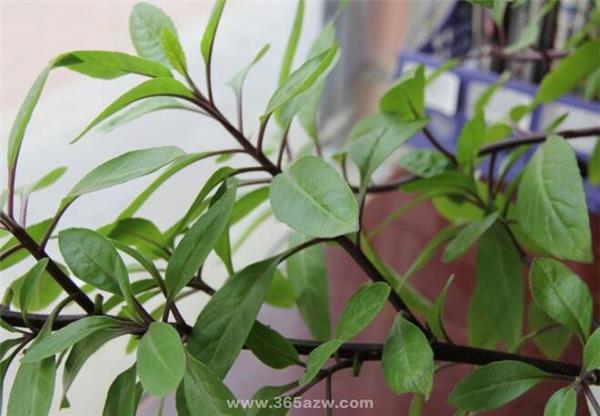
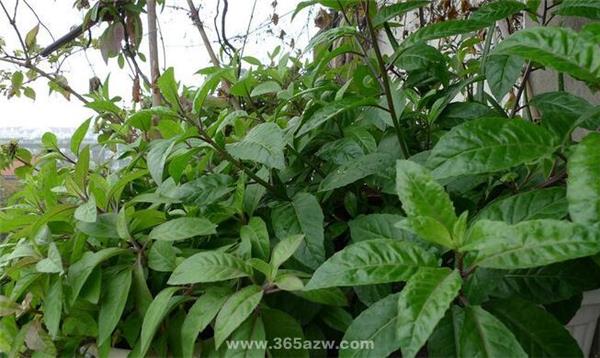
Plant height 30-40 cm, taproot system, main root succulent, with many lateral roots. Stem upright, succulent, purple at the base tinged with green, tender stems light green with shallow ridges, covered with short soft hairs or hairless, with strong branching ability. Leaves are simple, alternate, succulent, elliptical or ovate, 10-12 cm long and 4-6 cm wide, with coarse serrations along the edges, green on the upper surface and light green on the underside, both sides covered with white dry membranous fuzz. Capitulum inflorescence, complete flowers, golden yellow. The fruit is an achene, cylindrical, dark brown when mature, with a white pappus. It only flowers and does not set seed.
Benefits and effects of Mingyue grass
Mingyue grass, according to research results by medical experts at home and abroad: Mingyue grass is a magical health-promoting vegetable. Its stems and leaves contain large amounts of nutrients such as algin, mannitol, vitamin B, sulfur, potassium, and various amino acids, and therefore it has a very strong peculiar effect of lowering blood pressure, lowering blood lipids, and suppressing diabetes. Placed indoors, it can also have the effect of sterilizing and purifying the air. Especially for people with high blood pressure and diabetes, long-term consumption naturally resists disease and can also prolong life.
Can Mingyue grass lower blood sugar?
Mingyue grass is a magical health-promoting vegetable. Its stems and leaves contain large amounts of nutrients such as algin, mannitol, vitamin B, sulfur, potassium, and various amino acids, and therefore it has a very strong peculiar effect of lowering blood pressure, lowering blood lipids, and suppressing diabetes. Placed indoors, it can also have the effect of sterilizing and purifying the air. Especially for people with high blood pressure and diabetes, long-term consumption naturally resists disease and can also prolong life.
How to eat Mingyue grass:
Mingyue grass egg drop soup
Ingredients: 400 g Mingyue grass (available in supermarkets or meat and vegetable markets), 2 eggs, 3 slices of ginger.
Cooking method: Wash the Mingyue grass and drain the water; remove the shells from the eggs and beat them evenly. Add 1250 ml of clear water (about 5 bowls) and 3 slices of ginger to a wok. After bringing to a rolling boil over high heat, add the Mingyue grass and boil until just cooked, slowly pour in the egg mixture, add a little sesame oil and an appropriate amount of salt, and it is ready (if a diabetic is eating it, do not add cooking oil when cooking; making egg drop soup or soaking it in water to drink gives a better effect). It serves as both soup and dish, and this amount is enough for 3-4 people.
Mingyue grass pork rib soup
Cooking method: 250 g pork ribs, a little shredded ginger, add water and cook for 1 hour, add 150 g Mingyue grass and cook for half an hour, season and it is ready.
Mingyue grass red date pit soup
Take 15 Mingyue grass leaves (it is best to add some old stems), wash them, put them in 2 bowls of water and simmer down to 1 bowl of water; some red date pits must be added. Take once a day (after dinner) for more than one month continuously. If you want it to go down more easily, you can add some lean meat and a small amount of salt (this way of eating is suitable for patients who are weak and have a cold constitution, because Mingyue grass is rather cold in nature, so red date pits must be added to neutralize it. Some weak people may not necessarily be suited to eating it raw; this point should be noted).
Garlic Mingyue grass
Cooking method: 200 g Mingyue grass, boil in boiling water for 3 minutes, rinse with cold water, heat oil in a pan and add minced garlic, after half a minute add Baizi vegetable and stir-fry for 1 minute, add starch slurry and bring to a boil, season and it is ready.
Dried Mingyue grass leaves
Mingyue grass can be used to make tea or directly boiled in water to drink (the flavor comes out more easily). It is best to eat dried Mingyue grass leaves together with dried stems for a better effect. 5 g of dried Mingyue grass stems together with 5 g of dried Mingyue grass leaves per day is enough. Mingyue grass is the best green medicine for lowering blood pressure and blood sugar, and a fine green gift for festivals. When eating dried Mingyue grass leaves, generally rather obvious effects can be seen in one to one and a half months.
The above is the relevant introduction to the benefits and effects of Mingyue grass. I hope it is helpful to you.
The above is the relevant introduction to the benefits and effects of Mingyue grass. I hope it is helpful to you.