What are the benefits and effects of amaranth? Read this one article to understand
Amaranth is a common herbaceous plant, rich in nutrients, with diverse ways of eating. What are the benefits and effects of amaranth? This article gives a detailed introduction to this.
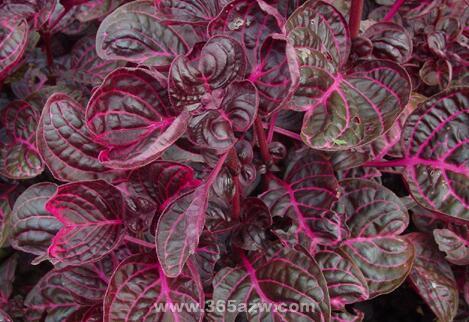
Introduction to amaranth:
Perennial upright herb, 0.3-1m tall. Much branched, with longitudinal stripes, the stem is sometimes red, smooth in the lower part, slightly hairy in the upper part. Leaves alternate; petiole 1-8cm long, hairless, with 2 spines beside it; leaf blade ovate-lanceolate or rhombic-ovate, 4-10cm long, 1-3cm wide, apex rounded and blunt, base cuneate, margin entire or slightly wavy, midvein raised on the underside, apex with fine spines. Panicle axillary and terminal, 3-25cm long; flowers unisexual, female flowers clustered in leaf axils, spherical; male flowers gathered into terminal upright or slightly drooping cylindrical spike-like inflorescences; flowers small, bristle-like bracts about equal to or longer than the sepals, bracts often deformed into 2 sharp spines, a few with 1 spine or none; tepals green, apex acute, margin transparent; sepals 5; stamens 5; stigmas 3, sometimes 2. Utricle oblong, irregularly transversely dehiscent below the middle, enclosed in the persistent tepals. Seeds nearly spherical, black with brownish black. Flowering period May-September, fruiting period August-November.
Effects of amaranth:
1. Clearing heat and detoxifying, improving eyesight and soothing the throat. Amaranth is sweet and cool in nature and flavor, good at clearing damp-heat, clearing the liver and detoxifying, cooling the blood and dispersing stasis. It has a certain auxiliary therapeutic effect on red and white dysentery caused by damp-heat and on red eyes, eye pain, and red and swollen throat caused by liver fire flaring upward.
2. Rich in nutrients, strengthening the constitution. Amaranth is rich in protein and fat, carbohydrates, and various vitamins and minerals. The protein it contains can be absorbed by the human body more fully than milk, and the carotene it contains is more than 2 times higher than that of solanaceous fruits. It can provide the human body with abundant nutrients, help strengthen the body, and improve the body's immunity. It is known as the longevity vegetable.
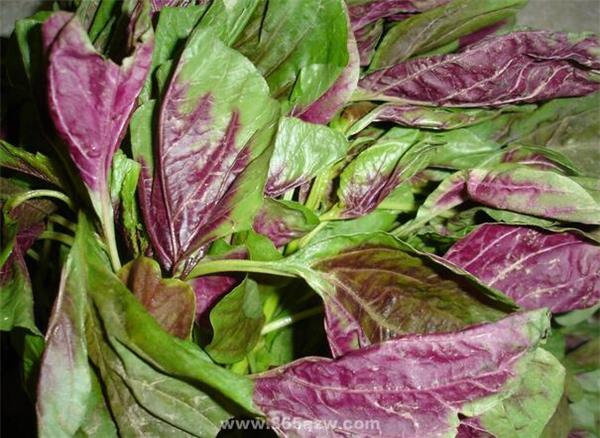
3. Promoting children's growth and development. The iron content of amaranth is 1 times that of spinach, and the calcium content is 3 times, making it outstanding among fresh vegetables. More importantly, amaranth does not contain oxalic acid, and the calcium and iron it contains are easily absorbed and utilized by the human body after entering it. Therefore, amaranth can promote children's growth and development and has a certain dietary therapeutic value for the healing of fractures.
Nutritional components
Every 100 grams may contain 90.1 grams of water, 1.8 grams of protein, O.3 grams of fat, 5.4 grams of carbohydrates, 0.8 grams of crude fiber, 1.6 grams of ash, 1.95 milligrams of carotene, 0.04 milligrams of vitamin B1, 0.16 milligrams of vitamin B2, 1.1 milligrams of nicotinic acid, 28 milligrams of vitamin C, 180 milligrams of calcium, 46 milligrams of phosphorus, 3.4 milligrams of iron, 577 milligrams of potassium, 23 milligrams of sodium, 87.7 milligrams of magnesium, 160 milligrams of chlorine.
Amaranth is rich in calcium that is easily absorbed by the human body, can promote the growth of teeth and bones, and can maintain normal myocardial activity and prevent muscle cramps. It is rich in iron, calcium, and vitamin K, and has functions such as promoting blood coagulation, increasing hemoglobin content and improving oxygen-carrying capacity, and promoting hematopoiesis. Amaranth is also a star on the weight-loss dining table. Regular consumption can reduce weight and lighten the body, promote detoxification, and prevent constipation.
Amaranth leaves contain a high concentration of lysine, which can supplement the deficiency in the amino acid composition of grains. It is very suitable for infants, young children, and adolescents, and has a good effect on promoting growth and development, especially beneficial for infants fed with milk, milk powder, and other breast-milk substitutes. It can both add abundant vitamins and minerals and help digestion.
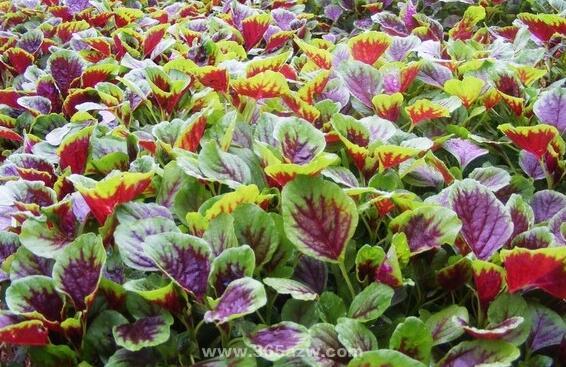
Precautions for eating amaranth:
1. Amaranth is a cool-natured vegetable, so people with a constitution of excess yin and deficient yang, deficiency-cold, loose stools, or chronic diarrhea should not eat too much of it.
2. The potassium content in amaranth is quite high. Eating a large amount of amaranth will increase the metabolic burden on the kidneys, so people with poor kidney function should avoid consuming too much.
Ways to eat
Amaranth is a small vegetable with a fresh and tender taste. Here we introduce 3 relatively classic ways to eat amaranth.
Garlic mashed amaranth: After blanching the amaranth, add mashed garlic, salt, sesame oil, and monosodium glutamate and stir evenly.
Effects: It has the effects of clearing heat and detoxifying, moistening the intestines and relieving constipation, improving appetite, and relieving abdominal bloating.
Amaranth porridge: After the japonica rice is cooked into porridge, chop the amaranth and add it to the porridge, then add a small amount of water and salt, and cook evenly over low heat.
Effects: Clearing heat and detoxifying, relieving constipation and stopping dysentery, suitable for elderly people with weakness, poor bowel movements, and acute enteritis.
Amaranth tofu soup: Blanch the amaranth, chop the soaked dried shrimp, cut the tofu into small pieces, and stir-fry together with mashed garlic.
Effects: Clearing heat and detoxifying, removing dampness and cooling the blood, suitable for auxiliary treatment of excessive liver and gallbladder fire, red eyes, and swollen throat.
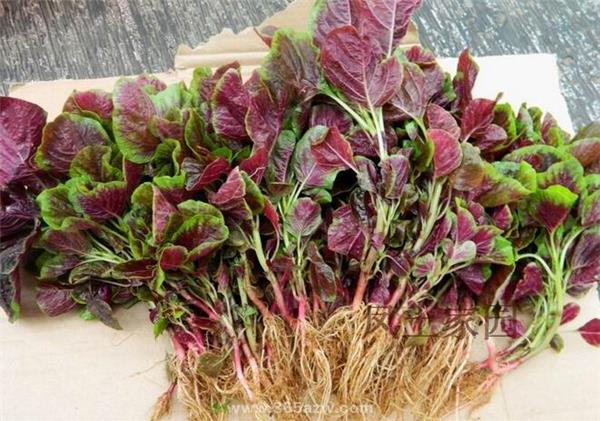
The above is the relevant introduction to the benefits and effects of amaranth. I hope everyone will like today's shared content.
I hope everyone will like today's shared content.