What are the benefits and culinary uses of purslane? Explained in one article
Purslane has high medicinal value, and there are many ways to eat purslane, so it is often used to make all kinds of delicious food. What are the benefits of purslane? Let's take a look together below.
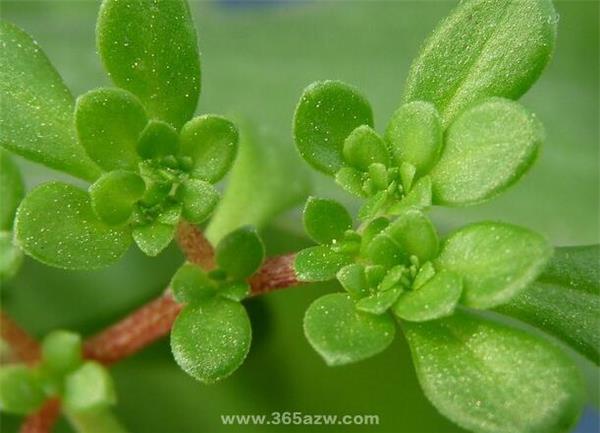
The medicinal value of the purslane plant
Medicinal value one: internal use
Purslane has the benefits of clearing heat and detoxifying, dispersing blood and reducing swelling, and can treat heat dysentery with pus and blood, heat strangury, blood strangury, leukorrhea, carbuncles, malignant sores, erysipelas and so on. It is generally used alone in large doses, and because its sources are widespread and it is easy to gather, it is mostly used fresh as medicine, with quite good results. For diarrhea and dysentery caused by damp-heat, you can use about 200 grams of fresh purslane, boil it in water and drink it as tea, drinking it from time to time. You can also rinse it clean with water and then squeeze out the juice to take. Because the active ingredients are preserved to the greatest extent, it takes effect quickly.
Medicinal value two: external application
For all carbuncles, swellings and sores on the skin of the whole body, as long as the main manifestation is yang heat and heat toxin, whether at the early stage or the later stage, fresh purslane can be pounded and applied externally, fixed with gauze. It can not only clear heat and detoxify, reduce swelling and relieve pain, but also protect the skin and wound surface well, promoting tissue regeneration and closing of the wound.
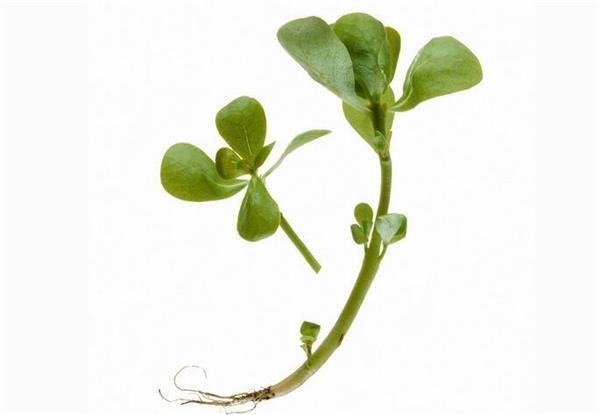
Medicinal value three
Purslane is cold in nature and sweet-sour in taste; it enters the heart, liver, spleen and large intestine meridians. "Dietary Materia Medica": it says that this product can be cooked into porridge to stop dysentery and infantile malnutrition dysentery. "The Righteousness of Materia Medica" says purslane... treats women's red and white leukorrhea, and this condition is mostly caused by the congealing and stagnation of damp-heat; with its cold and slippery nature to guide and drain it, the damp-heat can be discharged, and it can also enter the blood to break stasis, so it also treats red leukorrhea. This product contains a large amount of protein, fat, sugar, crude fiber and various nutrients such as calcium, phosphorus and iron, and is rich in norepinephrine and potassium salts. Norepinephrine can promote insulin secretion, regulate the metabolism of sugar in the human body, and has the effect of lowering blood sugar concentration and maintaining blood sugar stability; potassium salts can lower blood pressure, slow the heart rate, and have the effect of protecting the heart. Purslane also contains a large amount of vitamin E, vitamin C, carotene and glutathione and other effective anti-aging ingredients. Long-term consumption can prevent platelet aggregation, coronary artery spasm and thrombus formation, thereby effectively preventing coronary heart disease. In addition, purslane has a strong inhibitory effect on many bacteria such as Shigella dysenteriae, Escherichia coli and Staphylococcus aureus, and has the reputation of a natural antibiotic.
Three types of people should avoid eating purslane
1. People with diarrhea caused by cold in the abdomen; if it is ordinary diarrhea caused simply by catching a chill, do not eat it by mistake
2. Pregnant women must not eat purslane. Purslane is slippery and has the effect of inducing abortion
3. If you are taking Chinese medicine and the prescription contains turtle shell, note that purslane and turtle shell are incompatible, so do not take them together.
Indications and contraindications: Anyone with deficiency-cold of the spleen and stomach and slippery intestines with diarrhea should not use it; in decoction and medicinal formulae it must not be added together with turtle shell. ("Commentary on the Materia Medica")
Stir-fried purslane with eggs has the benefits of clearing heat and detoxifying, stopping diarrhea and dysentery, removing intestinal grime, and tonifying qi and deficiency, and is suitable for treating chronic dysentery.
Ingredients
60 grams of fresh purslane, 4 eggs, appropriate amounts of refined salt, yellow wine, vegetable oil, soy sauce and monosodium glutamate.
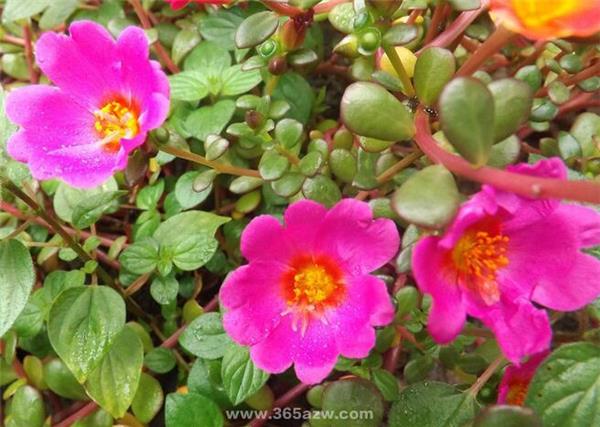
Preparation method
(1) Remove foreign matter from the purslane, soak it in warm water for 10 minutes, wash it clean with water, and cut it into sections.
(2) Beat the eggs, add the purslane and mix well, add refined salt, yellow wine, soy sauce and monosodium glutamate to season.
(3) Put the wok on the heat, add oil and heat it, pour the purslane and eggs into the wok and stir-fry until cooked, then plate and serve.
Characteristics
Yellow with green showing through, tender and crisp in texture, salty and fresh and delicious, clears heat and detoxifies, tonifies qi and deficiency.
Purslane and japonica rice porridge
Dish taste: original flavor
Production materials
Main ingredients: purslane (100 grams), japonica rice (50 grams)
Seasonings: salt (2 grams), monosodium glutamate (2 grams), scallion (3 grams), vegetable oil (20 grams)
Production process
1. Remove impurities from the purslane and wash it clean, blanch it in a pot of boiling water, take it out and rinse it with cold water several times, rinse off the sticky residue, and chop it.
2. Heat the oil in the wok, add the chopped scallion and stir-fry until fragrant, then add the purslane and refined salt, stir-fry until flavorful, take it out of the wok and set aside.
3. Rinse the japonica rice clean, put it in a pot, add an appropriate amount of water and cook until done, then add the stir-fried purslane, take it out of the pot and serve in a bowl to bring to the table.
Recipe nutrition
Japonica rice: Japonica rice can improve the human body's immune function and promote blood circulation, thereby reducing the chance of high blood pressure; japonica rice can prevent diseases such as diabetes, beriberi, age spots and constipation; the crude fiber molecules in the rice bran layer of japonica rice help gastrointestinal peristalsis, and have very good effects on stomach disease, constipation and hemorrhoids.
Recipe incompatibilities
Purslane: This product is incompatible with turtle shell.
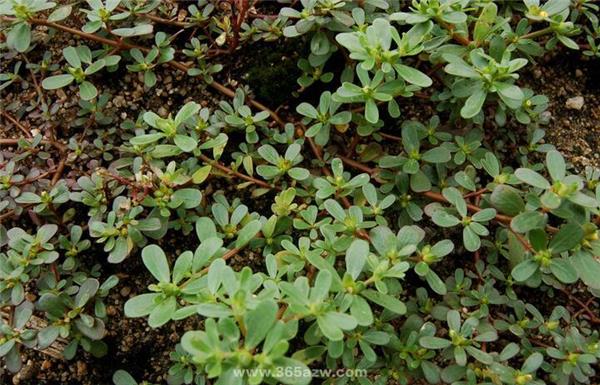
The above is a detailed introduction to the benefits of purslane. We hope it is helpful to you.