Growing Methods and Planting Care Tips for Orange Jessamine
Orange jessamine is a common ornamental plant. What issues should be noted during its cultivation? This article covers questions related to growing methods for orange jessamine, which friends who want to grow it can use as a reference.
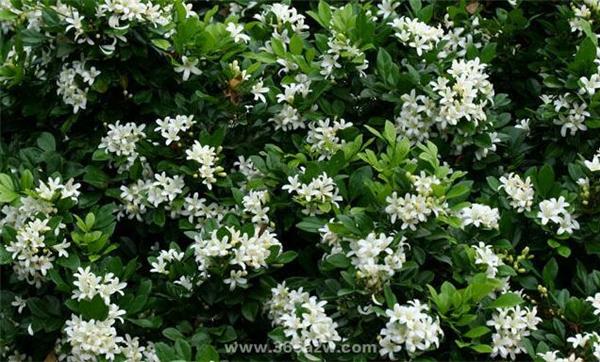
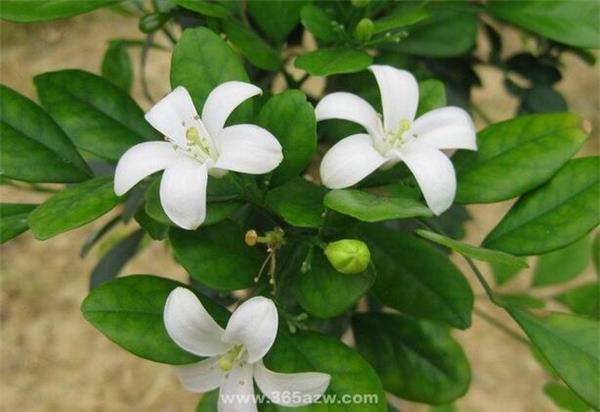
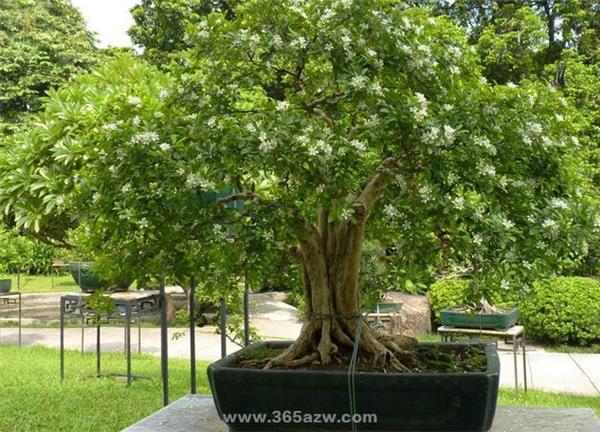
Orange jessamine, also known as qili xiang, qianli xiang and so on, is a well-known plant of the Rutaceae family. The leaves of orange jessamine are mostly yellow-green, and under sunlight they look as if coated with a layer of wax, with a glossy sheen. The leaves have the scent of sunlit orange. Its flowers are white, borne in cymes, and very beautiful when in bloom. Flowering generally begins around April and continues until the flowers fade and fruit sets in September. The flowering period is famous for its rich fragrance, the trunk has an elegant form, and the flower shape is distinctive, making it one of the better-known ornamental trees.
How to Grow Orange Jessamine
1. Soil requirements: It can survive in ordinary soil. However, for more beautiful blooms and greater fragrance and abundance, it is best to use potting soil, a fertile soil rich in humus. Be sure to ensure good aeration.
2. Water requirements: Orange jessamine generally does not have a high demand for water; simply water once the soil is dry, and it will not wilt even if not watered for a long time, because its drought tolerance is fairly strong. However, remember never to water too much, otherwise waterlogging will cause root rot and yellow leaves, which would not be good.
3. Light duration: As a typical sun-loving plant, orange jessamine is suited to long periods of light, and good ventilation is also needed. Although many are grown in partial shade, the flowers are then not fragrant enough and the tree shape is not attractive. In winter it is also suitable to place it in sunlight.
4. Fertilizer application: Generally, fertilizer can be applied during the growing period around April, then once every 2 months. After fruiting in autumn, no further fertilizer is needed.
5. Timely pruning: Generally, to maintain the tree's shape, timely pruning is needed during the growing period. Diseased branches and dead branches all need to be pruned promptly.
6. Timing for repotting: For potted orange jessamine, repot about every 2 years, so that it can properly obtain nutrients.
When Does Orange Jessamine Bloom
As a sun-loving plant, orange jessamine's flowering period, calculated by the normal timetable, begins in succession in April and then continues until September, though some varieties may also bloom in autumn, with a later flowering period. Greenhouse technology today is fairly advanced, so there are now examples of orange jessamine blooming in greenhouses in winter. In fact, as long as the surrounding environment is properly adjusted, it can still bloom as desired at the right time.
Growing Methods and Precautions for Orange Jessamine
Propagation Methods
Propagation methods can be divided into seed propagation, cutting propagation and layering propagation.
For seed propagation, mature, plump seeds can be selected for planting.
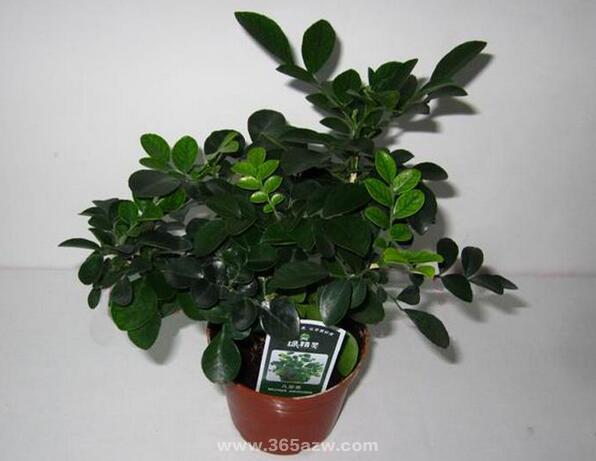
For cutting propagation, timing must be noted; it is generally done in spring and autumn. Before sowing, land in good condition must be chosen, generally sown in rows or broadcast.
Layering propagation is generally done in the rainy season; semi-mature branches can be cut and buried in the soil, then left to sprout and be planted out at a certain time.
The above is an introduction to growing methods for orange jessamine; we hope it is helpful to you.