How to grow Serissa japonica, combining beauty and fragrance in one
We all know there is a legend about Serissa japonica. Its branches and leaves are dense, and when the white flowers bloom, it looks as if snowflakes cover the whole tree, elegant and lovely. It is an excellent ornamental plant for both its foliage and its flowers. The story of Dou E's Injustice is one such tale. In real life, Serissa japonica is just like its name, pure and white as snow, extremely beautiful. Below, the editor introduces the cultivation methods of Serissa japonica.
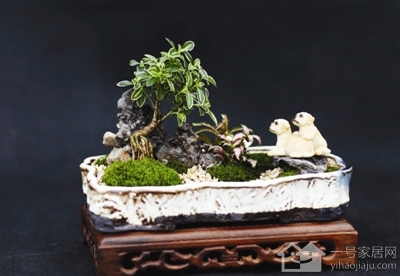
Cultivation methods of Serissa japonica
1: Transplanting and potting
Generally speaking, February to March is the best time for transplanting, though the plum rain season and late autumn are also good seasons. When transplanting, it is best to choose a purple clay pot or a glazed pot, and the pot color should be dark so it can form a sharp contrast with the flower color. The potting soil should be sandy soil, preferably loose, rich in organic matter, and with good drainage and aeration. In addition, for fertilizer selection, it is best to mix pine needle soil, humus soil, and peat together, and add about 10% rice husk ash.
2: Water and fertilizer management
Water and fertilizer management for Serissa japonica should be appropriate; it must not be too dry or too wet. Keep the potting soil moisture moderate. In winter, reduce the frequency of watering, while in summer, generally spray water on the leaves, 1-2 times is fine. In addition, April to May every year is the best period for fertilizing, and it can be watered with a 0.5% phosphorus-potassium fertilizer solution. In winter, additional fertilizing can be done, and thin organic fertilizer can be applied, but other than that, no fertilizing should be done. Concentrated fertilizer is a major taboo.
3: Light and temperature requirements
Serissa japonica likes sunlight, warmth, moisture, and ventilation. Therefore, during the growing season, it should be cared for under these conditions. In summer, it should be properly shaded, and must never be placed in direct sunlight. In winter, it should be moved indoors and kept at a certain temperature, for example 5 to 12°C is fine.
4: Repotting and pruning
Repotting every other year can make the soil looser and more suitable for the plant's growth. At the same time, removing the old soil and properly pruning the roots can also increase its ornamental value. In winter, shaping and pruning should be carried out, trimming long and short branches and thinning or thickening branches. This can not only remove messy branches and leaves and improve the ornamental beauty, but also cut off branches and leaves affected by pests and diseases. At the same time, through pinching, bud removal, and removing side branches, a certain shape can be maintained, elegant and charming.
5: Pest and disease control
Serissa japonica generally has few pests and diseases, though occasionally there may be aphids. At this time, it can be sprayed with essential balm to kill the aphids, but the concentration must not be too high; diluting 500 to 600 times is more appropriate. In addition, root rot sometimes occurs. At this time, use 800 times root rot remedy solution or 12% copper rosinate emulsifiable concentrate 600-1000 times solution to irrigate it, spraying once every few days, three times in a row is enough.
Serissa japonica pictures
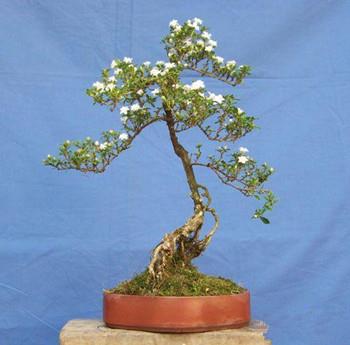
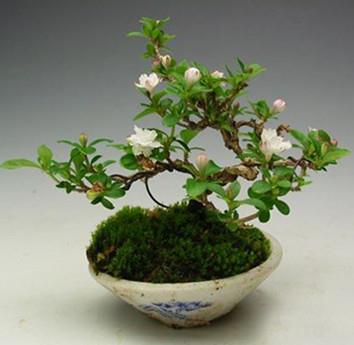
The above are the cultivation methods for Serissa japonica. Whether in legend or in reality, Serissa japonica has left a deep impression on people. Planting it indoors brings not only beauty but also a penetrating fragrance. If you want to learn more related information, please continue to follow No. 1 Home Network.