What flower is yichuanlan? A detailed introduction to the yichuanlan flower
The shape and flower color of yichuanlan are somewhat similar to lavender. How much do you know about yichuanlan? Let's take a look together below.
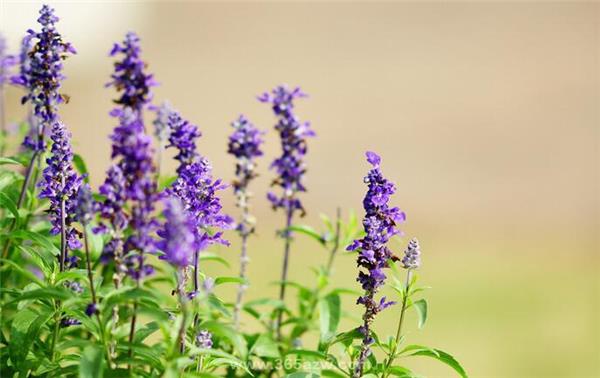
Introduction to yichuanlan
Yichuanlan is native to the Americas. It is an annual herbaceous plant with a plant height of 60-90 cm. Its stems are upright and highly branched, and the branches are nearly square. The leaves are opposite, sometimes appearing whorled, ovate to long lanceolate, with coarsely serrate margins. The inflorescence is a terminal raceme, the petals are blue, and the lip is white, covered with fine soft hairs. The pedicels are blue-purple, and the calyx is bell-shaped and the same color as the corolla. The flowers are densely clustered, and the corolla is purple-blue or grayish-white; in the labiate flower, the upper lip is small and the lower lip is large, and the calyx is oblong-bell-shaped. It is often used in flower beds, potted plants and container cultivation, and can also be used as a cut flower.
The connection between yichuanlan and salvia
Yichuanlan is a plant of the genus Salvia in the Lamiaceae family. It is also called xiurong feiyicao, blue sage, and pink calyx sage; therefore, from its appearance and the category to which it belongs, yichuanlan is salvia, and they are the same plant, just called by different names.
Cultivation and habits of yichuanlan
Yichuanlan is suitable for growing in well-drained, loose and fertile sandy soil. It likes a warm and humid climate and a sunny environment. It is mainly propagated by sowing or cuttings, and is sown in the seedbed after the late frost. Or it can be sown early in a greenhouse. The sowing temperature is about 20-22°C, and it germinates in about half a month. Cuttings can be taken in both spring and autumn.
The flowering period of yichuanlan
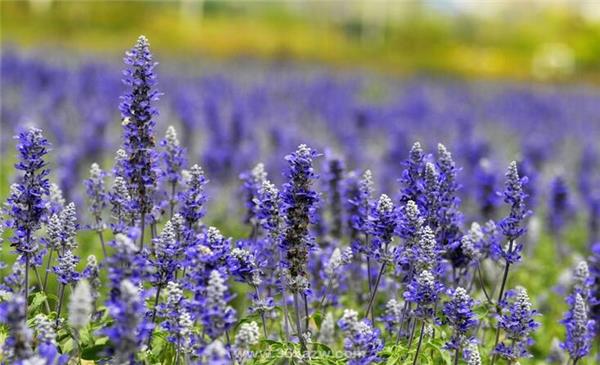
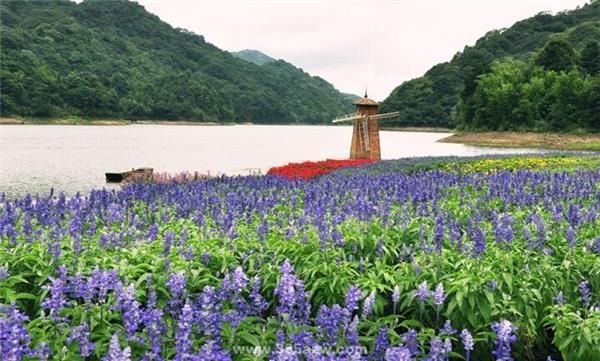
The flowering period of yichuanlan is July-October, and the fruit ripening period is August-October. Its flowering period is also relatively long. With its beautiful colors, it can be planted together with other yellow-flowered varieties on lawns, in flower borders or by lakesides. Swaying in the wind, a fragrance of flowers greets the nose, and one's mood immediately becomes cheerful and full of delight.
Related legends
Many beautiful legends also circulate about yichuanlan. Yichuanlan was originally an elf living in the forest and fell in love with a human king, and the king was also deeply fascinated by the elf. However, the passionate love of the forest elf had to be exchanged for her life. In the end, the king held the elf tightly, and the two people who loved each other deeply disappeared together in the blazing flames. The story is poignant, yet no less romantic. Some people also say that if yichuanlan is planted at home, poisonous toads will not dare to come near. Perhaps because of this saying, people gradually discovered its value.
The value of yichuanlan
Yichuanlan has astonishing vitality. Research has shown that the essence extracted from it can enhance the renewal ability of skin cells, accelerate circulation around the eyes, repair damage to the skin around the eyes, and is especially effective in preventing and repairing dark circles. It is a plant with very good beauty effects.
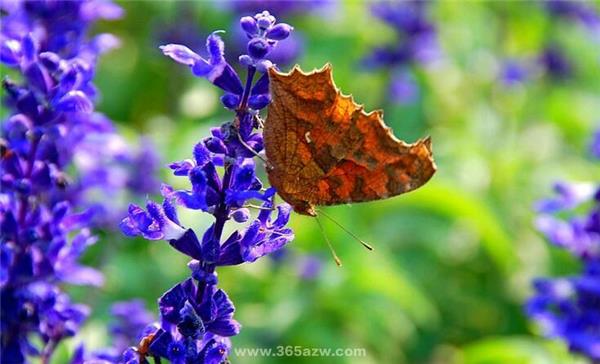
The noble purple-blue color of yichuanlan has already won people's hearts, and combined with some of its beauty effects, how could it fail to move people! Regarding the introduction to yichuanlan, I have always felt that plants are something that can make people feel happy. Just looking at these beautiful plants can make people forget their worries. I hope that through this introduction, more people will like these pretty and lovely plants.
The above is the relevant introduction to yichuanlan. I hope it is helpful to you.